-
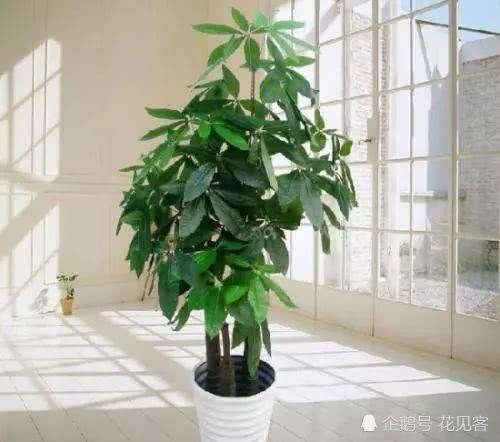
Money tree cared for with two kinds of water and a sprinkle of powder: stems and leaves lush and green, no root rot
The money tree (Pachira aquatica) has an attractive form, with stems and leaves that stay green all year round. It is a very popular indoor foliage plant. Placing one pot at home adds a touch of green and also carries the meaning of "wealth rolling in." Some flower lovers report that the money tree they grow has poor ornamental...
-
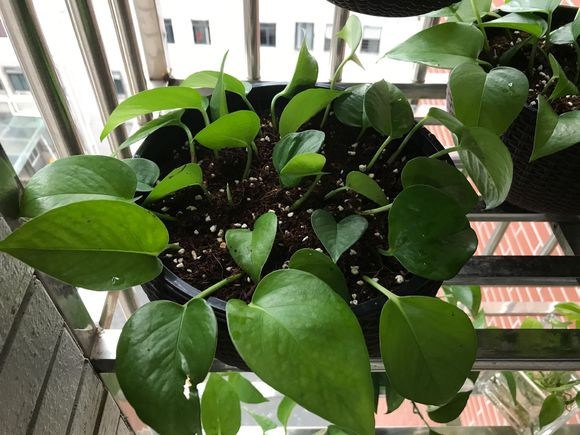
Having trouble growing pothos in summer? Cut a stem and put it in water, it roots fast and the leaves won't turn yellow
Pothos is arguably everyone's first choice when buying plants at the flower shop. Especially in this hot weather, if you keep a few pots of these lush green plants at home, it really makes things feel a lot cooler, and pothos is pretty easy to care for...
-

What does systemic insecticide mean? Read this article to understand
Plant hormones, also called plant growth regulators, are neither pesticides nor fertilizers. Their main function is to coordinate the vegetative growth and reproductive growth of plants. For vegetables, this means regulating them reasonably according to people's requirements for vegetable yield, maturity period and quality, producing high-yield, high-quality vegetables and improving their...
-
How should phosphorus fertilizer be selected to suit a drip irrigation system?
Phosphorus fertilizer used in drip irrigation systems must be water-soluble. Traditionally used phosphorus fertilizers, such as superphosphate, have monocalcium phosphate as their main water-soluble component, but they also contain other insoluble impurities, so they are not suitable for drip irrigation systems. Monoammonium phosphate, diammonium phosphate, monopotassium phosphate and phosphoric acid are all completely soluble and are very...
-
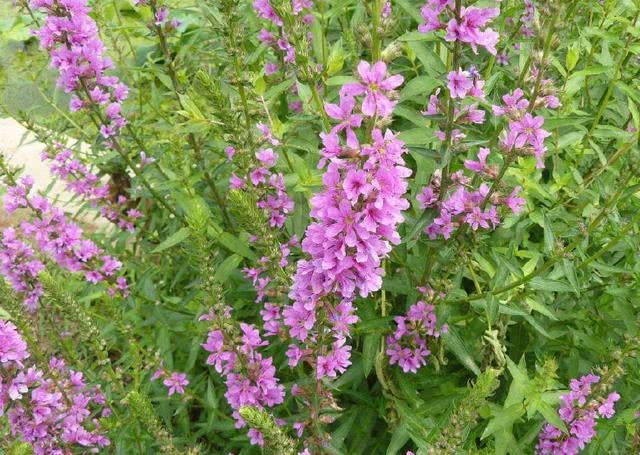
Purple loosestrife is a wild plant used both as medicine and food; the whole plant is used medicinally and the young stems and leaves are edible.
Purple loosestrife (plant) Purple loosestrife, Latin scientific name: Lythrum salicaria L. A perennial herb of the family Lythraceae and genus Lythrum, with thick rhizomes lying horizontally underground; stems upright, much branched, the whole plant green, slightly covered with coarse hairs or densely covered with...
-
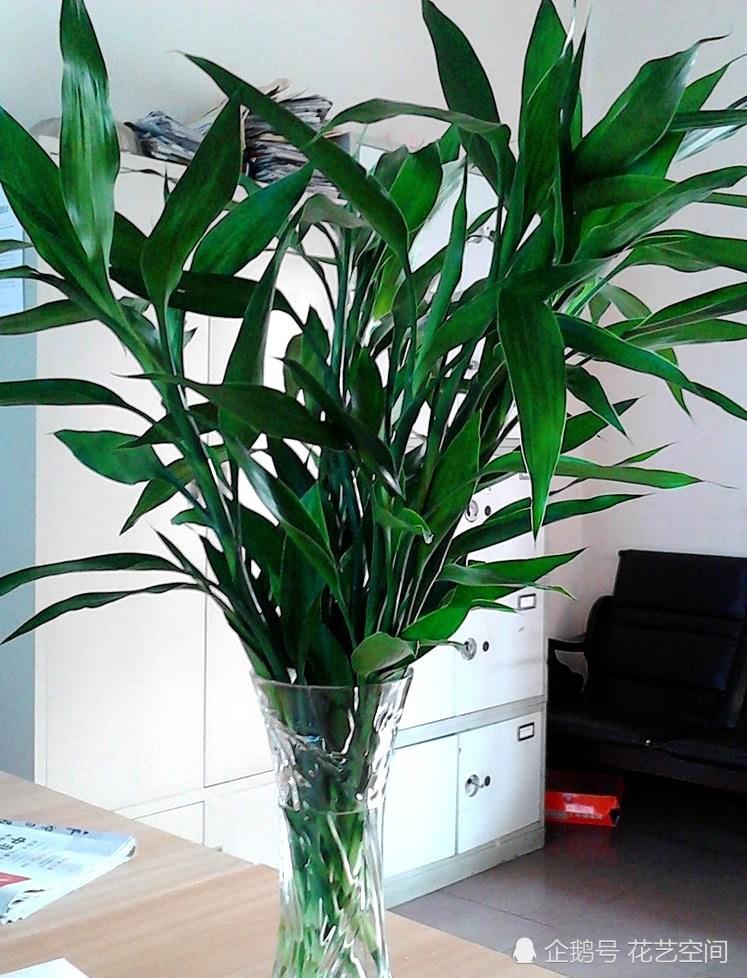
Hydroponic lucky bamboo roots slowly and easily gets black stems? Drop in one small pill and white roots fill the bottle
Lucky bamboo (Dracaena sanderiana) is a flower plant that many people love, evergreen all year round, with emerald green leaves and a beautiful plant shape, and it also carries the meaning of bringing good luck and wealth, making it very popular and highly effective at decorating the home. Although lucky bamboo is extremely...
-
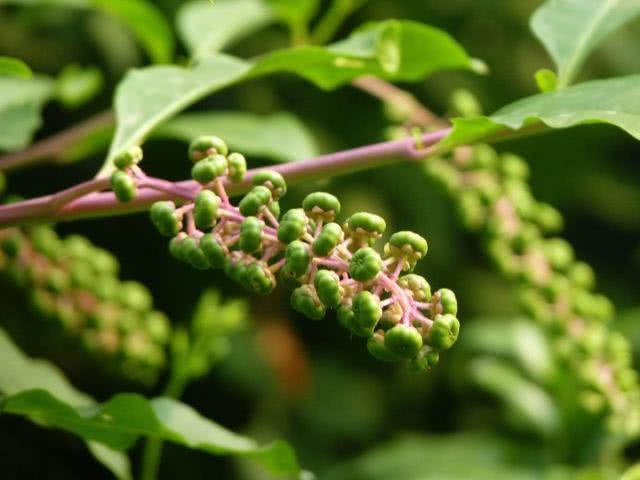
Pokeweed comes in two types: the one with purple-red stems is toxic, while the green-stemmed pokeweed seedling is a high-quality wild forest vegetable
Pokeweed (Phytolacca genus, Phytolaccaceae family) Pokeweed (Phytolacca acinosa Roxb.) is a perennial robust herbaceous plant in the Phytolaccaceae family and Phytolacca genus. It is widely distributed in the red soil low hilly areas south of the Yangtze River. Among the varieties currently distributed in China, the main ones...
-
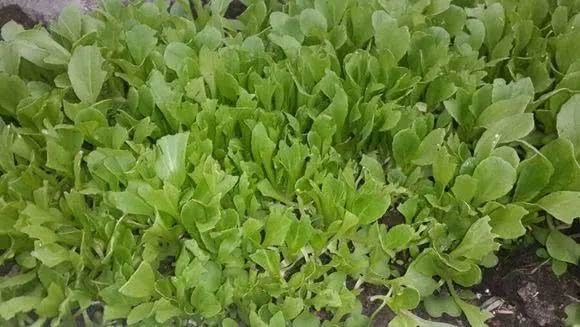
Balcony flowers pecked by birds down to bare stems? Tie a few colorful ribbons and it will scare the birds away
A couple of days ago I finally beat all kinds of annoying bugs, but I never expected to lose to a bird! The lush flowers on the balcony were pecked by birds until only the stems were left, I was almost furious to death! (Before the bird pecked) (After the bird pecked) What I plant doesn't grow as fast as it eats! That...
-
The flowers on the balcony were pecked by birds until only the stems were left; tie a colorful ribbon to scare the birds away.
A couple of days ago, I finally defeated all kinds of annoying bugs, but unexpectedly, I lost to a bird! The flowers on the balcony, so fresh and lively, were pecked by birds until only the stems remained. I was almost furious! So how can birds be driven away efficiently?
-

In ginkgo tree cultivation, what is ginkgo stem rot?
What is ginkgo stem rot? What harm does ginkgo stem rot cause? At what tree age does ginkgo stem rot mainly occur? How is ginkgo stem rot prevented and controlled? Please give an introduction. Ginkgo stem rot mainly occurs in seedling-raising areas, generally in 1- to 2-year-old ginkgo seedling trees grown from seed, and is especially severe in one-year-old seedlings, often causing large numbers of seedlings to...
条件筛选