-
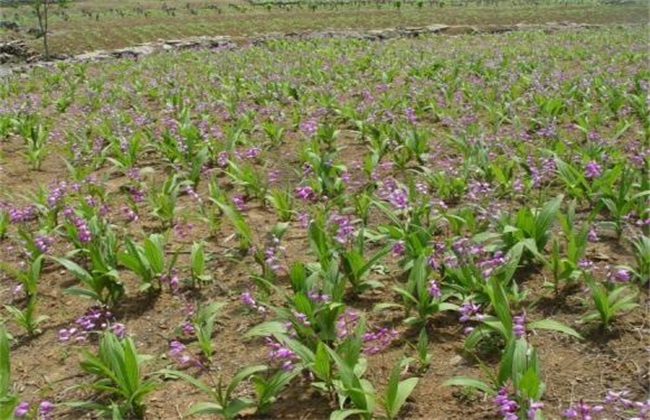
What are the risks of growing Bletilla striata? Growers need to understand them in advance
The cultivation risks of Bletilla striata
-
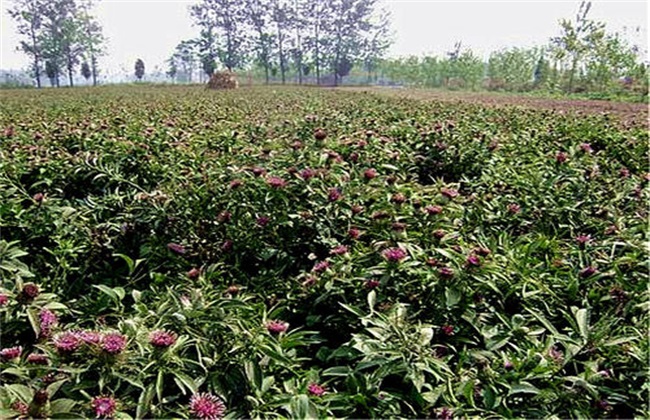
What are the risks of planting Atractylodes macrocephala? You need to understand them clearly before planting
Risks of planting Atractylodes macrocephala
-
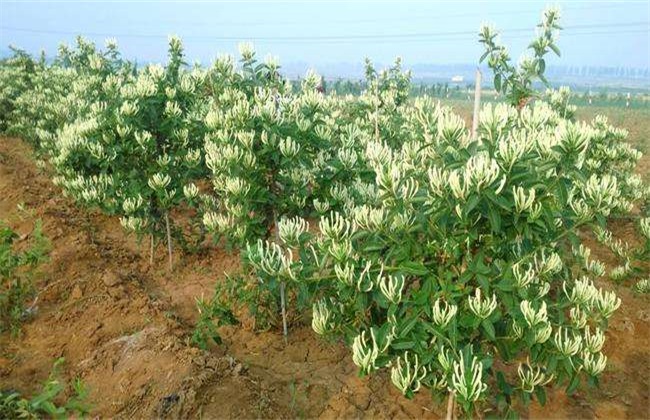
What are the growing conditions for honeysuckle? Understand the growth environment requirements in one article
Growing conditions for honeysuckle
-
What kind of medicinal herb is Angelica sinensis? A guide to understanding it
Herb name: Angelica sinensis Harvesting and processing: Angelica sinensis is generally cultivated until late autumn of the second year, when it is dug up, the stems, leaves, fibrous roots and soil are removed, and it is left to stand until the moisture evaporates slightly and the roots become...
-

How do you grow wild strawberries? First, understand its scientific name
How should wild strawberries be grown
-

What are the key points of field management for Sichuan lovage? Understand it in one article
Key points of field management for Sichuan lovage
-

What are the precautions for growing motherwort? Read this article to understand
Precautions for growing motherwort
-
Detailed Explanation of Standardized Cultivation Techniques for Dry Pinellia (Pinellia ternata)
Dry Pinellia, also known as three-leaf pinellia, three-step jump, and hemp jade fruit, is a commonly used Chinese medicinal herb with the functions of drying dampness and resolving phlegm, and descending adverse qi to stop vomiting. It grows wild in both northern and southern China, but in recent years its resources have been declining year by year and its price has been rising continuously. Therefore, the prospects for artificial cultivation of dry Pinellia are very promising. Its cultivation techniques are introduced as follows: 1. Selection of planting site. Dry Pinellia prefers a mild and humid climate; its tubers can naturally overwinter in the soil. It is shade-tolerant and highly adaptable, and can be cultivated on hillsides, hills, and flat land. It can also be intercropped in orchards and woodlands or interplanted with tall crops such as corn, rapeseed,
-
Detailed Explanation of the Key Points of Standardized Cultivation Techniques for Su Banxia
Su Banxia is a unique authentic Chinese medicinal herb of Huaibei City. According to the "Suzhou Prefecture Gazetteer" from the Guangxu period of the Qing Dynasty: "Su Banxia is best only in Sipu and Sunding (now within the territory of Huaibei City). Su Banxia is full of powder and white in color, and Beijing Tongrentang specifically requested Banxia from this place." Due to the influence of chemical herbicides, chemical fertilizers, pesticides and techniques and other factors, the resources of Su Banxia find it difficult to meet market demand. In order to revive the glory of our city's traditional Chinese medicinal materials, cultivate a pillar industry of medicinal materials, and realize the standardized cultivation of Su Banxia, it has become even more urgent and particularly important. 1. Land selection and land preparation for Banxia
-
Detailed Explanation of GAP Standardized Planting Operation Procedures for Asarum heterotropoides
I. Site Selection and Land Preparation 1. Site Selection Select a natural forest cutover site that meets the Grade II standards of GB5618-1995, with an irrigation water source, and water quality that complies with the "Farmland Irrigation Water Quality Standard GB15084-92," far from main traffic roads, surrounded by natural forest and planted forest on all sides, where a dust-proof forest belt may be established, with no pollution sources nearby. 2. Land Preparation Clear debris from the field, plow twice with a tractor to a depth not exceeding 30 cm, then harrow 5 times, leveling and pulverizing the soil. Make raised beds by hand; seedbeds 1.2 m wide, 25 cm
条件筛选