-
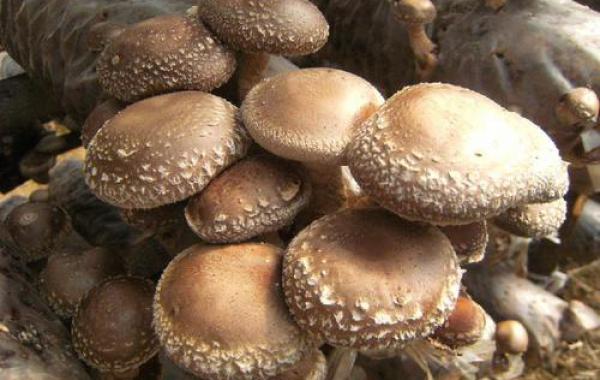
What Are the Grading Standards for Edible Mushrooms? Read This One Article to Understand
What are the grading standards for edible mushrooms?
-

-
The portable edible mushroom mixing machine has outstanding advantages and is worth vigorously promoting and using.
The portable edible mushroom mixing machine is worth vigorously promoting and using.
-
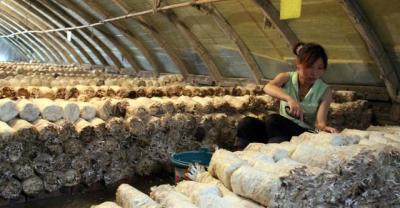
Mushroom Talk (Part 1): Understanding the Basics of Edible Fungi
When it comes to edible fungi, the mere mention of the term may make you think they are simply the shiitake mushrooms, enoki mushrooms, shaggy mane mushrooms, and so on that we eat. Actually, the requirements are not...
-
Detailed Explanation of Straw Mushroom Grading Standards and Processing Techniques
I. Straw Mushroom Grading Standards: 1. Fresh mushroom grading: Grade 1: mushroom cap circumference 8-11 cm, solid. Grade 2: mushroom cap circumference 6-8 cm, solid. Grade 3: mushroom cap circumference 6-8 cm, wrapper slightly split. Broken-cap: cap cracking not exceeding 0.5 cm. Substandard: mushroom cap circumference 5-6 cm, with some broken caps. 2. Dried mushroom grading: base trimmed, free of sand and impurities, cap surface mouse-gray or grayish-white, flesh white. No mushrooms with opened veil or expanded cap, moisture content 12%, fragrant, free of insect damage and mold, free of scorched yellow or blackened areas.
-
Detailed Explanation of the Production Method and Quality Standards of Flavored Mushroom Sauce
With the rapid development of China's catering industry and the improvement of people's living standards, people's demands for condiments are also getting higher and higher. Along with the fast-paced lifestyle, in addition to requiring condiments to have good color, aroma and taste, people pay even more attention to their nutrition, convenience and hygiene. Soybean paste contains a large amount of protein and vitamins, and fresh mushrooms are rich in minerals essential to the human body. Flavored mushroom sauce is made with the famous Northeast soybean paste as the main raw material, processed together with fresh mushrooms. Flavored mushroom sauce not only retains the rich nutritional value and mellow
-
What are the key points of mushroom preservation technology? Understand in one article
The main factors affecting mushroom preservation are as follows: Temperature: the higher the temperature, the worse the mushroom preservation. 0-4°C is the suitable temperature for mushroom preservation. Apart from quick freezing, below 0°C easily causes freezing damage. Water quality: when the iron or copper content in water exceeds 2 mg/L, the mushroom color darkens and turns brown, so iron and copper utensils and tools are prohibited. Humidity: 95-100% is required. Below 90%, the color darkens, and the caps easily open and spoil. Gas composition: an important cause of spoilage, which can be inhibited by sterilization and adjusting pH value. Enzyme activity
-
High-yield cultivation method of cutting oyster mushroom blocks into pieces, standing them upright and covering with soil
Mushroom farmers in Dongkan Town, Binhai County, Jiangsu Province, through years of oyster mushroom cultivation practice, worked out the six-character high-yield formula for oyster mushrooms of "cutting into blocks, standing upright, covering with soil", which increased the oyster mushroom yield per mu by more than 2000 jin compared with the past, with an increase rate of about 30%, and at the same time, production costs dropped greatly. Their high-yield experience mainly consists of three steps: "cutting into blocks, standing upright, covering with soil". The so-called "cutting into blocks" means that at the end of harvesting the second flush of mushrooms in furrow-bed cultivation, the dead mushrooms, stipes and the like remaining on the bed surface are cleaned up, and a sharp knife is used to cut the cultivation substrate into multiple pieces of about 50 cm
-
Detailed Explanation of the Content of Edible Mushroom Spawn Quality Standards
Grade 1 spawn: For oyster mushroom, Hypsizygus marmoreus (shimeji), enoki mushroom, Pleurotus nebrodensis (white lingzhi mushroom), king oyster mushroom, abalone mushroom, and Ferula mushroom, the mycelium is pure white with strong wall-climbing ability; the mycelium is robust and vigorous; the substrate does not shrivel; aerial mycelium does not collapse; and when observed from the reverse side, there are no spots, streaks, or shadows except for the inoculation block point. For shaggy mane mushroom, the mycelium is grayish-white, sparser than that of oyster mushroom, and slightly earthy-yellow after maturation, with the inoculation block showing heavier pigmentation; the rest is the same as oyster mushroom. For straw mushroom, the mycelium is grayish-blue, greatly elongated, and semi-transparent, and after maturation most produce chlamydospores.
-
Key Technical Points for Mushroom Production from Standing Logs in Shiitake Log Cultivation
After a summer and an autumn of careful management, the mycelium of the mushroom logs enters the mature stage, and around the Beginning of Winter (Lidong), the logs can be set up standing for fruiting management. The signs that the mycelium in the logs has matured are: the surface of the log shows no great difference from when it was felled, with no contaminating microorganisms and the bark tightly attached; when tapped with the back of a knife or with a finger, it gives a semi-dull or dull sound; the bark is soft and loose, and the wood beneath the bark is yellow or yellowish-brown and has the fragrance of shiitake; when pressed with a finger, the bark feels elastic and rough and uneven. There are also nodular protrusions, which are the prelude to fruiting, and sometimes there will be
条件筛选