-

Detailed Explanation of High-Yield and Stable-Yield Cultivation Techniques for Tea Tree Mushroom
Tea tree mushroom has a certain cultivation area in Gaochun, Jintan and other places, but in recent years, affected by resources, technology, market and other factors, the cultivation area of tea tree mushroom has continued to decrease. From a technical perspective, the main factors affecting the high and stable yield of tea tree mushroom are: first, strain degeneration. The breeding work of tea tree mushroom is relatively lagging, the source of strains is single, and obvious degeneration has occurred. Second, the formula is unreasonable. In tea tree mushroom production, the substrate formula is highly arbitrary, especially the proportion of nitrogen nutrition is not properly grasped, which seriously affects the yield of tea tree mushroom. Third, the finished bag rate is low. Tea tree
-
Reasonable flower and fruit thinning of bayberry (Chinese bayberry, Myrica rubra) promotes stable and high yields
Bayberry (Chinese bayberry, Myrica rubra) bears fruit mainly on short and medium fruit branches. Because on these two types of bearing branches only the terminal bud is a leaf bud, while the rest mostly differentiate into flower buds, if they are allowed to set fruit naturally, they often bear excessively, the fruits are small and of poor quality, and it easily causes alternate bearing. To achieve stable and high yields, fruit thinning should be carried out. (1) The thinning period is generally in mid-to-late April, after fruit set is determined and before the fruits rapidly swell. (2) Thinning method: out of every 6 bearing branches, keep 3 to bear fruit and thin out 3, and each fruit-bearing branch keeps 2 fruits. (3) Thinning principle: keep fewer on the upper part of the canopy and more on the lower
-
10 Premium Varieties of Summer Mushrooms and Techniques for Stable Yield and Quality
The vast majority of edible fungi varieties belong to the medium-to-low temperature type, with products concentrated on the market in autumn, winter and spring. The mushroom volume is excessively concentrated, goods are plentiful and prices are low, which affects profitability. However, every summer mushroom products are in short supply, the market is active and prices are high, and mushroom cultivation is highly profitable, but production management is relatively difficult; therefore, developing main summer mushroom varieties and production management has become a hot topic of concern for the broad community of mushroom farmers. Below is an introduction to 10 premium and rare varieties that are favored by the market and suitable for summer mushroom production in both northern and southern provinces, as well as how to promote stable yield and quality of summer mushrooms during the high-temperature season.
-
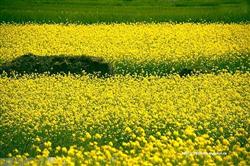
Techniques for Achieving High-Quality, High and Stable Yields in Rapeseed through Heavy Application of Boron Fertilizer
Rapeseed is a boron-demanding crop, and especially high-yield, high-quality cabbage-type "double-low" hybrid rapeseed is particularly sensitive to boron deficiency. Boron deficiency at the seedling stage causes slow rooting, dark green and wrinkled leaves, and stunted growth; boron deficiency at the bud-bolting stage causes swelling of the root crown, leaves turning purple to blue-purple, and abnormal flower bud development; boron deficiency at the flowering stage causes plant dwarfing and abnormal pollen...
-
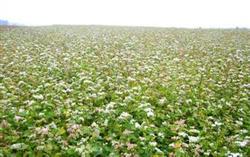
How to Grow Buckwheat for Stable and High Yields: A Detailed Guide to Cultivation Techniques
Buckwheat belongs to the phylum Spermatophyta, class Angiospermae, and the dicotyledonous family Polygonaceae. This crop has health benefits such as high nutritional value, a cooling effect, anti-inflammatory properties, aiding digestion, and delaying aging, with an average yield of about 100 kg per mu. Increasing buckwheat yields per unit area and boosting total production both play a positive role in driving the development of the food industry, processing industry, and the medical and health care industry...
-
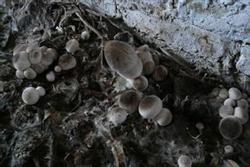
Several key techniques for high and stable yields in straw mushroom cultivation
1. Straw mushrooms prefer a high-temperature, high-humidity environment. After the compost is brought into the mushroom house, its moisture content must be strictly controlled, and over-aged spawn must not be used; keep the mushroom house temperature at around 30°C. 2. Because straw mushrooms are aerobic fungi, they need plenty of water; too much ventilation easily leads to water loss and death, while too little ventilation easily causes excess carbon dioxide and oxygen deprivation...
-
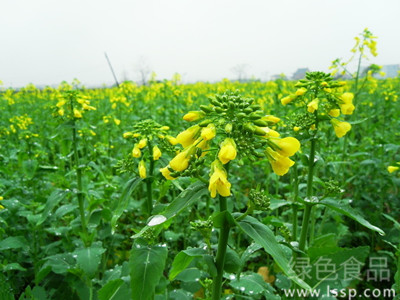
Improved Rapeseed Cultivation Method - High and Stable Yield, Low Cost Cultivation
Improved Rapeseed Cultivation Method - High and Stable Yield, Low Cost Cultivation
-
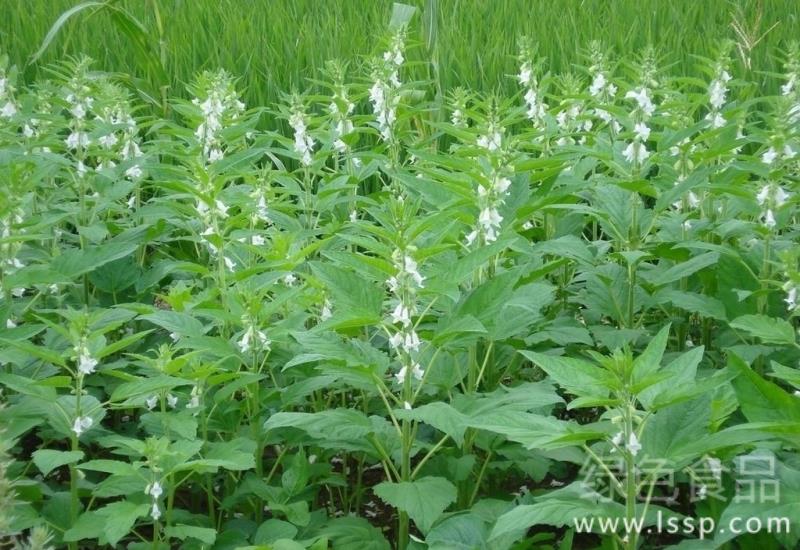
To achieve stable and high yields in sesame, you need to master the "Ten Changes" techniques
To achieve stable and high yields in sesame, you need to master the "Ten Changes" techniques
-
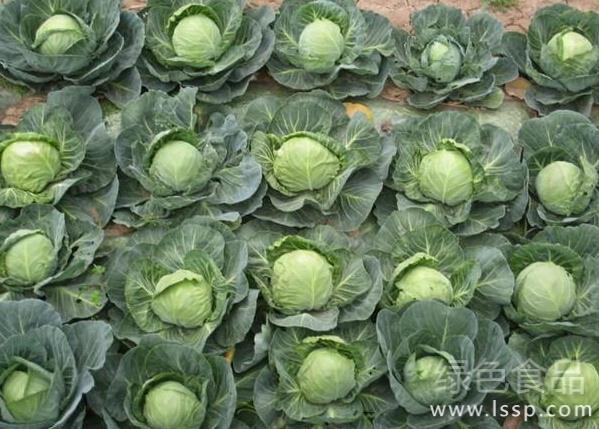
Master autumn cabbage cultivation and management techniques for stable yields, good storage quality, and high returns
Stable yields, good storage quality, and high returns: cultivation and management techniques for autumn cabbage
-
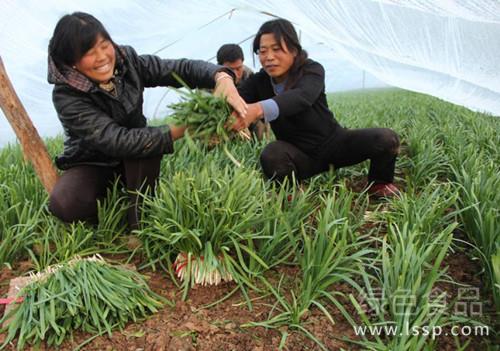
How to harvest Chinese chives for stable yields? Remember these precautions
Reasonable harvesting to maintain stable yields of Chinese chives: precautions for harvesting Chinese chives
条件筛选