-
Pond tailwater becomes a source of aquaculture pollution, where should it go?
As environmental protection efforts intensify, higher requirements have been placed on the discharge of aquaculture pond tailwater, and with the water resource tax about to be introduced, aquaculture should explore new models,...
-
A Complete Analysis of Ammonia Nitrogen Sources and Degradation Methods in Aquaculture
What is ammonia nitrogen? Ammonia nitrogen refers to the combination of nitrogen present as free ammonia and ammonium ions in water. It is the main factor causing major toxicity to aquatic organisms. However, ammonium ions are not toxic. 1. Sources of ammonia nitrogen. There are four main sources of ammonia nitrogen: first, sludge. The deeper the pond sludge, the more, as temperature rises, large amounts of organic matter ferment and produce ammonia nitrogen; second, feed. After feed is digested by aquatic animals, feces and urine are excreted, producing large amounts of ammonia nitrogen. Next, residual bait is transformed by anaerobic bacteria into peptides and amino acids, and then into molecular ammonia and ammonium ion substances; third, fertilizers. Such as organic fertilizer, urea, nitrogen fertilizer, compound fertilizer, etc., are all foundations for producing ammonia nitrogen; fourth, various dead grasses and algae, which are converted into ammonia nitrogen under the action of anaerobic bacteria. 2. Ammonia nitrogen degradation. First, natural consumption. 1. Through nitrifying bacteria living in the oxygen in the water body, ammonia is converted into nitrite, and then converted by a second type of nitrifying bacteria into nitrate. Nitrate is a non-toxic substance and is converted by anaerobic bacteria into nitrogen gas, which rises and is released; 2. Algae and microorganisms. Ammonia nitrogen is also a eutrophic fertilizer. The more algae and microorganisms there are, the stronger their ability to absorb ammonia nitrogen, and the faster the ammonia nitrogen content is reduced; 3. Aquatic plants, such as water hyacinth, alligator weed, lotus root and other aquatic plants. Among them, water hyacinth has a particularly strong ability to consume ammonia nitrogen. One water hyacinth plant with 10 branches can consume the ammonia nitrogen excreted by 8 people in 24 hours. Second, artificial degradation. 1. Clean out sludge and use coke slag landfill for adsorption; 2. Control stocking density and feed bait reasonably; 3. Regularly use photosynthetic bacteria and lactic acid bacteria as well as organic acids and sodium humate for nitrifying degradation; 4. Add and change water and increase oxygen, and control and regulate water quality well. When molecular ammonia in the water body exceeds the standard, the oxygen-carrying capacity of the gill fluid of aquatic animals will decline, damaging the epidermal tissue of the gills, leading to poor oxygen exchange in the blood, and at the same time poisoning will occur. Its manifestations include damage to internal organs such as the liver, pancreas, and stomach, swelling of the gastrointestinal tract, infection after mucosal damage, secretion of large amounts of mucus, causing difficulty breathing and leading to death. Ammonia nitrogen is the number one killer of aquatic animals, and it is also the most difficult problem for aquaculture personnel to grasp and solve. Prevention and control must be carried out from the very beginning, with regular testing, and strict prevention of serious exceedances and long-term exceedances, so as to ensure the healthy and normal growth of aquatic animals.
-

Sources and selection methods of yellow catfish broodstock
Broodstock for artificial breeding can be directly caught and selected from rivers, lakes, reservoirs, ponds and other water bodies; this is currently the common method used by aquaculture units for artificial breeding of yellow catfish. If conditions permit, you can cultivate yellow catfish broodstock yourself and then select from them. When catching broodstock from rivers, lakes, outer waters, reservoirs or ponds, the following points should be noted: Specific requirements ① Broodstock should be caught in autumn and winter, when the water temperature is lower, which is conducive to selection and handling, and especially easy for transporting
-
Detailed Explanation of Feed Sources and Scientific Feeding Methods for Raccoon Dogs
1 Feed Sources 1.1 Legumes Except for poisonous fish such as pufferfish, most marine and freshwater fish can be used as feed for raccoon dogs. In addition to high protein content, fish also contain fat, vitamin A, vitamin D, and inorganic salts. Their digestibility is almost the same as that of meat, and the energy content varies greatly depending on the fish species. Fresh fish fed raw has higher nutritional value than cooked, but some marine fish and most freshwater fish contain thiaminase, which can destroy vitamin B1. Long-term raw feeding can easily cause vitamin B2 deficiency.
-
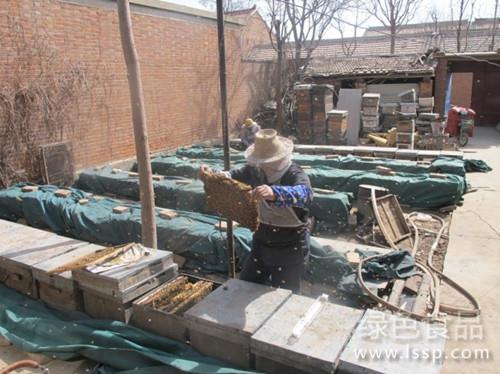
Key points for spring bee management: how to restore colony strength and make use of nectar sources
How to restore colony strength and make use of nectar sources: key points for spring bee management
-
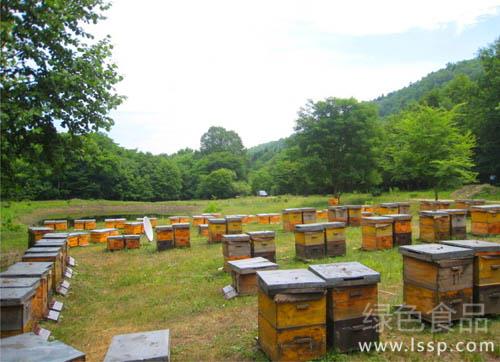
How to prevent summer decline in bees? Lack of nectar sources and low egg-laying by the queen are the main causes
How to prevent summer decline in bees when nectar sources are lacking in summer and the queen lays few eggs
-

-

-

What do bloodworms eat? A detailed explanation of the main food sources of bloodworms
What do bloodworms eat
-

What Do Longhorn Beetles Eat? A Detailed Look at Their Diet and Food Sources
What do longhorn beetles eat?
条件筛选