How to prevent summer decline in bees? Lack of nectar sources and low egg-laying by the queen are the main causes
In summer, the weather is hot, external nectar sources are lacking, and the queen lays fewer eggs, so bee colonies face threats such as bee mites, poisoning, and summer decline. Therefore, how can bees safely pass the summer?
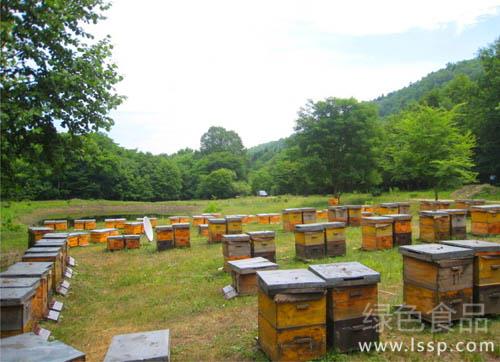
Bee keeping
Solving feed:Each 1 box of bees must be left with enough 5-8 kg of summer honey. If honey is insufficient, bees can be fed a manually made mixed feed. The formula is: 200 grams of watermelon juice, 70 grams of tomato juice, 100 grams of white sugar, 20 grams of soybean flour, 15 grams of milk powder, 10 grams of salt, 10 grams of yeast tablets (crushed into powder), add 50 grams of cold boiled water, mix well, and feed during dry weather and when nectar sources are lacking.
Preventing and controlling bee mites:Bee mites are a major enemy of bees safely passing the summer. If not controlled in time, colonies will at best be weakened and at worst be wiped out. You can choose a windless morning or evening and use a micro sprayer to spray a 1:50 acaricide solution; or sprinkle sulfur powder wrapped in gauze onto the top bars of the hive; you can also use a 25% amitraz aqueous solution, diluted with 3000 times water and sprayed, which is economical and practical and has a better effect.
Preventing summer decline:In summer, it is hot, bees have high labor intensity, their lifespan is greatly shortened, the queen lays few eggs, and the bee colony shows a downward trend. If management is slightly poor, the number of bees will drop below 40%, and royal jelly cannot be produced. You can use a new queen to lay eggs, expand the egg circle, and accelerate the breeding of new bees. Choose a well-ventilated, shaded place to place the bees, or cover the hive with a straw curtain to prevent sunlight from heating the hive and increasing the nest temperature, which makes the colony restless. Enlarge the hive entrance to allow air circulation. When the weather is too hot, cold water can be splashed outside the hive and cool boiled water can be fed. For crowded colonies, add supers early, increase combs and foundation bars, expand the hive, and use young bees to produce royal jelly.
Stimulative feeding:Stimulative feeding increases the queen's egg laying and the worker bees' enthusiasm for rearing brood. Every evening, when the temperature is lower, feed the bees thin syrup. To avoid disturbing the bees, you can make a rectangular shallow tray and place it inside the hive for feeding. If the feed in the nest is insufficient, first feed enough with thick syrup once, and then carry out stimulative feeding day by day. In addition, pesticide poisoning must be prevented.