Pond tailwater becomes a source of aquaculture pollution, where should it go?
As environmental protection efforts intensify, higher requirements have been placed on the discharge of aquaculture pond tailwater, and with the water resource tax about to be introduced, aquaculture should explore new models. The treatment and recycling of aquaculture pond tailwater is imperative.
The total effective nitrogen content in aquaculture water increases with the increase in breeding quantity. Of the feed fed in pond aquaculture, 5-10% is not eaten by fish, and of the feed that is eaten by fish, another 25-30% is excreted in the form of feces.
For nitrogen input, feed accounts for 90-98%; for nitrogen output, fish account for 20-27%, and deposited nitrogen accounts for 54-77%. For phosphorus input, feed accounts for 97-98%, while deposited phosphorus accounts for 72-89% of the output, and fish output accounts for only 8-24%. This indicates that, except for a small portion of the nitrogen and phosphorus content in feed that supplies the growth of farmed fish, most is deposited in the pond, causing waste and pollution.
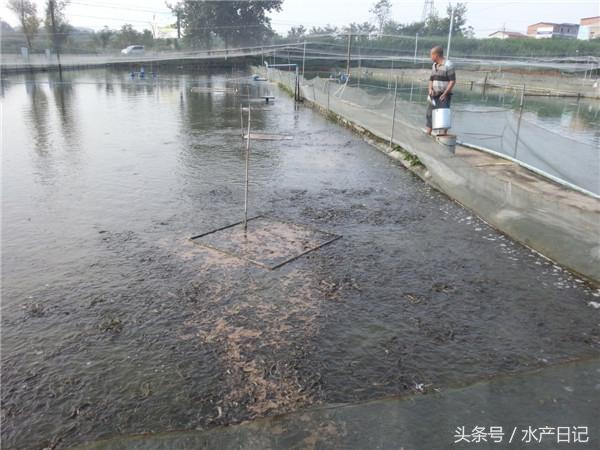
Excessive artificial feed, applied organic fertilizers and biological excreta cause the pond to contain large amounts of organic matter. Dissolved organic matter is a nutrient for bacteria, providing conditions for the reproduction and growth of pathogenic bacteria and increasing the possibility of farmed organisms becoming ill. The decomposition of excessive organic matter consumes large amounts of oxygen, making the pond prone to hypoxia, and water quality is prone to deterioration, affecting the growth of farmed organisms.
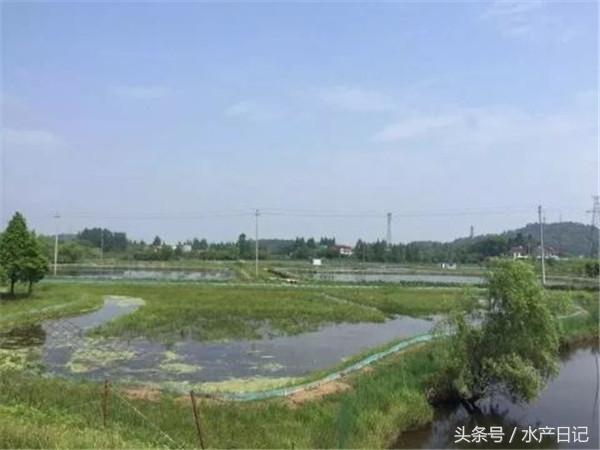
Aquaculture production should not only adopt scientific feeding and management, but also establish a pond tailwater treatment system, equipped with purification treatment ponds, and after three-stage treatment, pump the water back into the aquaculture pond for recycling in aquaculture production.
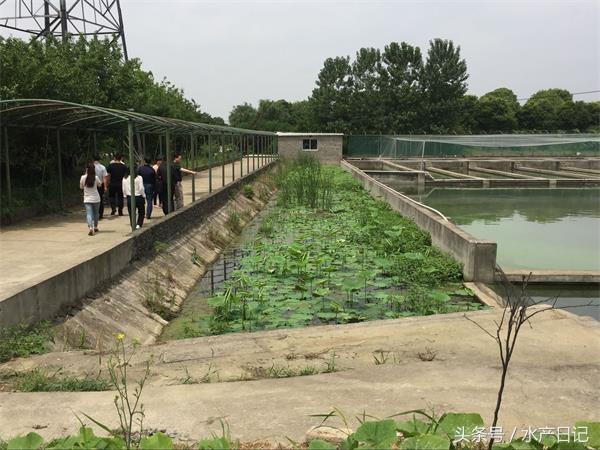
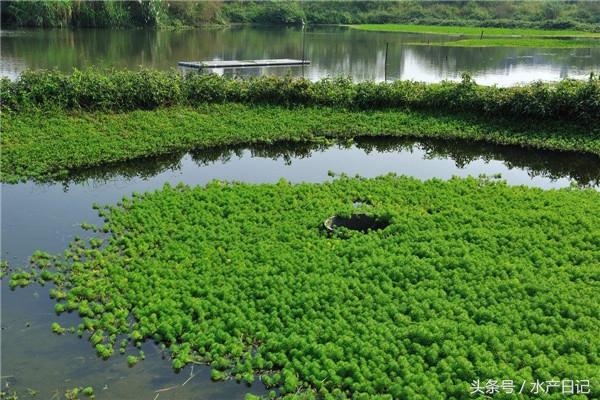
In the first-stage purification pond, aquatic plants are planted and herbivorous fish and shrimp are farmed; the water enters the second-stage purification pond through an overflow dam, where various economical aquatic plants with high capacity to absorb nutrients such as nitrogen and phosphorus are planted and aquatic animals such as silver carp, bighead carp, oriental river prawn and mussels are farmed, making it the most important main part of the entire recirculating water system; then through the overflow dam ridge it enters the third-stage purification pond, where photosynthesis of aquatic plants is used to suppress eutrophication and purify the water, and microorganisms such as photosynthetic bacteria and Bacillus are applied to purify the water, after which it is pumped back into the aquaculture pond.
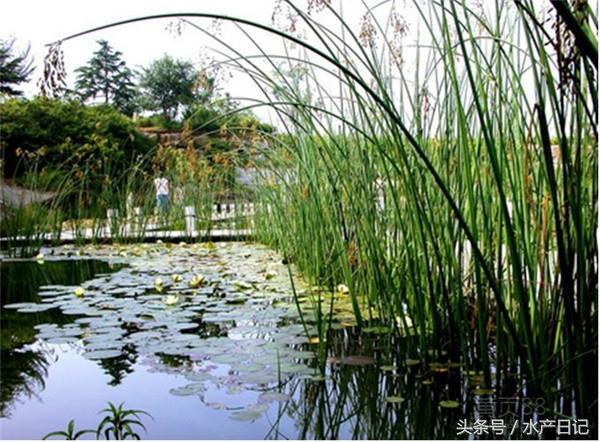
According to experiments, after three-stage purification, the average TN removal rate in the recirculating water is 64.98%, the average TP removal rate is 84.32%, the average NH3-N removal rate is 67.55%, and the average NO2-N removal rate is 88.53%, with a significant stage-by-stage purification effect.
Toutiao account / Aquaculture Diary, WeChat public account dzyz168, wholeheartedly serving farmers.