-

A Detailed Guide to the Latest Planting Methods and Key Techniques for Salak (Snake Fruit)
Salak (snake fruit) is mainly produced in Indonesia, because the climate and other conditions there are the most suitable for its growth, while the salak on the market in Qi State is all imported, so the price is very expensive, and you may not even be able to buy it. Its peel is very similar to snake skin
-
How to Propagate Snake Fruit (Salak) by Seed? Latest Method Explained in Detail
There is a fruit with a very peculiar appearance. Its peel looks very much like snake skin, its flesh is delicious, and its taste is sweet and refreshing. Its name is snake fruit (salak). Snake fruit, also known as salak, is originally a woody flowering plant. Its fruit can be eaten and can also be processed into candied fruit or brewed into wine. So do you know how it
-
How many years does it take for salak (snake fruit) to bear fruit after planting?
Salak (snake fruit) is a region-restricted fruit and a plant of the palm family (Arecaceae). Its fruit is delicious and nutritious, and it is very popular in Southeast Asia and is a famous fruit. At present, a small amount is grown in South China. It is a tropical fruit. Growing salak generally takes
-
How to cultivate snake gourd for high yield? Detailed explanation of key planting techniques
Snake gourd is eaten as a vegetable mainly for its tender fruit, but the tender leaves and young stems are also edible. The tender gourd is rich in carbohydrates, vitamins and minerals; its flesh is soft, with a slight unpleasant odor, but once cooked it turns fragrant and slightly sweet. Snake gourd is cool in nature and enters the lung, stomach and large intestine
-
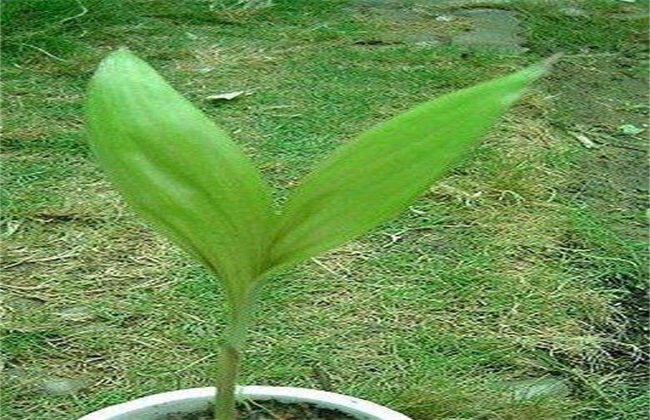
How many years does it take for salak (snake fruit) to bear fruit after planting?
How many years does salak take to bear fruit after planting
-
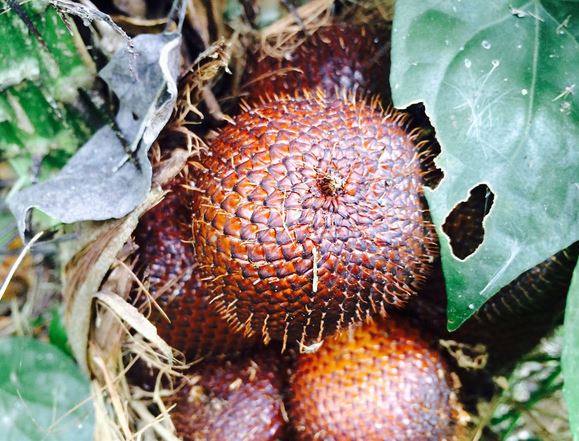
Snake fruit: cultivation methods, nutritional value, benefits, effects, contraindications, and the best time to eat snake fruit
The exterior of snake fruit looks very similar to snake skin, and its taste is sweet, crisp and refreshing, and its nutritional value is relatively rich. It is a famous fruit in Southeast Asia. It is said that snake fruit also has beauty and skin-nourishing benefits, and it is deeply loved by people. Below, let's follow the editor to learn about snake fruit's cultivation methods, nutritional value, benefits, effects, and contraindications.
-
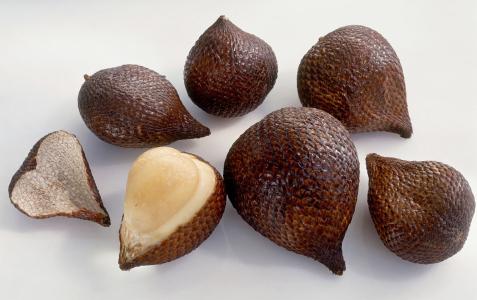
Snake Fruit (Salak) China Growing Regions, Cultivation Technical Requirements, Benefits, Uses and Eating Guide with Pictures
Snake fruit, also known as salak, gets its name because its skin looks like snake scales. Although its appearance does not look appetizing, snake fruit is one of the most famous fruits in Southeast Asia. Snake fruit is highly nutritious, is one of the fruits with the highest potassium content, and is rich in pectin, which is very beneficial to the human brain.
-
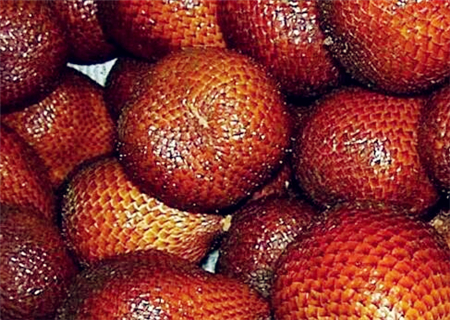
How Many Years Until Snake Fruit Bears Fruit? A Detailed Guide to the Ripening Season and Cultivation Methods
Snake fruit, also known as salak, is a famous fruit of Southeast Asia. In China it is found in western Yunnan Province, and it has been more than 50 years since snake fruit was introduced and planted sporadically across South China. So how is snake fruit grown? How many years until it bears fruit? In which season does it ripen?
-
A Detailed Guide to Snake Fruit Cultivation Techniques and Management Methods
Temperature control. We all know that snake fruit likes a warm and humid climate, with around 25 degrees being ideal. Measures should be taken to protect against cold and heat and to control the temperature well, so that snake fruit does not grow poorly because of sudden changes between hot and cold in its environment. Choosing good soil - fertile soil rich in organic matter is the best choice
-

How to grow salak (snake fruit) from seed? A detailed guide to the method
Propagating salak (snake fruit) by seed
条件筛选