-

How to grow the Chinese medicinal herb Scutellaria baicalensis? Collect this most complete guide to methods
Scutellaria baicalensis, commonly known among the people as shancha root or tujincha root. Its root can be used as medicine, has high cultivation value, and has the functions of clearing heat and detoxifying, and stopping bleeding and calming the fetus. Then do you know how this Chinese medicinal herb Scutellaria baicalensis should be grown? See here for the most complete guide to methods! 1. Sowing methods for Scutellaria baicalensis
-
How to Grow Scutellaria barbata (Barbed Skullcap) as a Potted Houseplant and Its Blooming Period
Scutellaria barbata is a lovely and beautiful plant. Its flowers are brightly colored and its blooming period is long, making it very suitable for ornamental purposes. It also has certain medicinal value, and can be used both internally and externally. This plant can be grown in soil or in pots. Today let us together
-
How much is skullcap root per jin now? Master the growing method and you can harvest the next year
Skullcap, also known as mountain tea root, is a common medicinal herb with anti-inflammatory and antibacterial, heat-clearing and dampness-drying effects. Current market demand is relatively high, so it is grown in many regions. So how much is skullcap root per jin? What are the growing methods? 1. Introduction to skullcap: 1. What does skullcap look like
-
How to Grow Scutellaria baicalensis (Baikal Skullcap) for High Yields? Latest Cultivation Technique Guide
The Chinese medicinal herb Scutellaria baicalensis (Baikal skullcap) is a perennial herb of the Lamiaceae family, with its roots used as medicine. It has antibacterial and anti-inflammatory, blood pressure-lowering and diuretic, and detoxifying and cholagogue effects, and is a commonly used Chinese medicinal herb, mainly produced in Hebei, Liaoning, Shaanxi, Shandong, Inner Mongolia, Heilongjiang and other provinces and regions. Scutellaria baicalensis prefers warm conditions
-
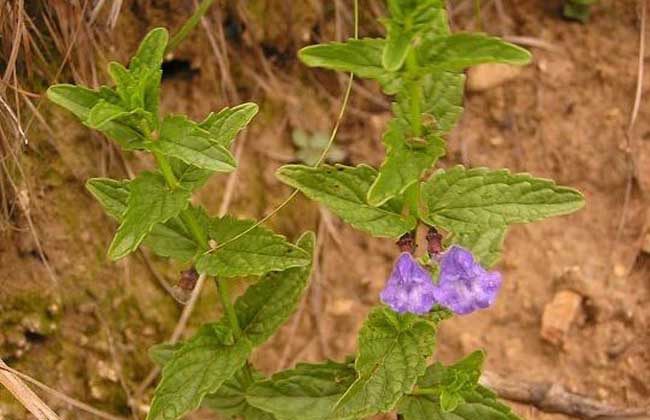
What are the growth habits of Scutellaria baicalensis (Chinese skullcap)? Must-read before planting
Growth habits of Scutellaria baicalensis
-
What are the cultivation techniques for Scutellaria baicalensis (Chinese skullcap)? Detailed explanation of key growing points
What are the cultivation techniques for Scutellaria baicalensis? What issues should be noted when growing Scutellaria baicalensis? We ask experienced netizens to help share. Zhongdiwang has compiled the cultivation techniques and management methods for Scutellaria baicalensis, listed below for netizens' reference. Selection and preparation of the cultivation site for Scutellaria baicalensis: when growing Scutellaria baicalensis, choose...
-
How do you manage skullcap (Scutellaria baicalensis) cultivation? Key technical points explained
How do you manage the cultivation of the medicinal herb skullcap (Scutellaria baicalensis) well? Does any netizen have advice to share? Zhongdiwang has compiled the management methods for the medicinal herb skullcap (Scutellaria baicalensis), listed below for netizens' reference. 1. Thinning and final thinning of skullcap (Scutellaria baicalensis): When the skullcap (Scutellaria baicalensis) seedlings are 5-7 cm tall, carry out thinning, and at the same time stagger the final thinning at a plant spacing of 6-8 cm, leaving...
-
Where can I learn Scutellaria baicalensis (Chinese skullcap) cultivation techniques?
Where can I find Scutellaria baicalensis cultivation techniques? We ask netizens to help introduce them. Zhongdiwang has compiled Scutellaria baicalensis cultivation techniques, listed below for netizens' reference. 1. Conditions suitable for Scutellaria baicalensis growth: Scutellaria baicalensis can grow in areas with an annual average temperature of 4-10°C, an annual accumulated temperature of 2500-4000°C at ≥10°C, and a frost-free period of 120-18...
-
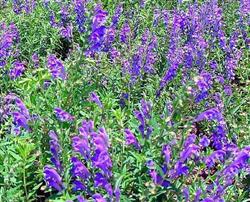
Common Diseases of Scutellaria baicalensis (Chinese Skullcap) and Their Control Methods
What diseases need to be controlled when growing Scutellaria baicalensis? Here is an introduction. The diseases that need to be controlled when growing Scutellaria baicalensis are the following two: 1. Leaf blight. ① Occurrence period and symptoms. It is prone to occur during hot and rainy seasons. It begins with irregular dark brown lesions at the leaf tip or leaf margin, gradually extending inward, causing the leaves to dry up...
-
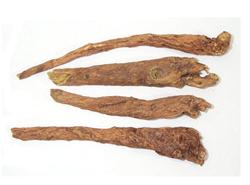
Skullcap (Scutellaria baicalensis) Benefits, Uses and Growing Methods
What is the medicinal herb skullcap used for? How is it grown? Please explain. Skullcap is a commonly used traditional Chinese medicinal herb with effects such as clearing heat, detoxifying and stopping bleeding. It is used to treat upper respiratory tract infections, colds, lung-heat cough, vomiting blood, enteritis, dysentery and other conditions, and is one of the currently popular varieties on the Chinese medicinal herb market. For growing methods, you can refer to the following techniques...
条件筛选