-

How Silk Is Extracted from Silkworm Cocoons, Plus Types, Prices, and How to Tell Real from Fake
Silk is a continuous long fiber formed when the silk liquid secreted by a mature silkworm solidifies as it spins its cocoon. It is also called natural silk and is a natural fiber. So how is silk extracted from silkworm cocoons? How many types are there? Roughly how much does it cost per jin? How can you tell real from fake? From the Changsha Gaoqiao wholesale market
-
-
-
What to Do If Silkworms Don't Spin Cocoons? Causes and Solutions
I. Main Causes 1. Pathological factors. For example, with pébrine or flacherie, infection and onset before mounting for spinning destroys the secretory function of the silkworm's silk glands; or the pathogen produces large amounts of toxic metabolites in the silkworm's body, paralyzing the silkworm's nerves so it cannot spin silk or form a cocoon. 2. Physiological factors. Abnormal middle silk glands, mainly caused by excessively high rearing temperatures, overly tender leaves, disordered secretory glands, etc., leading to abnormal silk glands and inability to spin. Next is abnormal anterior silk glands, mainly caused by exposure to large amounts of coal gas, fishy odors,
-
What to Do If Silkworms Do Not Spin Cocoons? Cause Analysis and Control Methods
I. Causes of silkworms not spinning cocoons: 1. Pathological factors. For example, pebrine and flacherie are prone to infection and disease before mounting, which destroys the silk gland secretion function of silkworms, or the pathogens produce large amounts of toxic metabolites in the silkworm body, paralyzing the silkworm's nerves and preventing them from spinning silk and forming cocoons; 2. Physiological factors. The first is abnormality of the middle silk gland, mainly caused by rearing temperature being too high or too low, leaf quality being too tender, secretory gland disorder, etc., causing silk gland abnormality and preventing spinning; the second is abnormality of the anterior silk gland, mainly because during rearing
-
What to Do If Silkworms Don't Spin Cocoons? Causes and Solutions
In silkworm rearing, the phenomenon of silkworms not spinning cocoons occurs from time to time, causing certain losses to sericulture production. First, the causes of silkworms not spinning cocoons must be identified, and then measures taken for prevention and control. The main causes are: 1. Pathological factors. For example, flacherie and soft rot infect and develop before mounting, destroying the secretory function of the silkworm's silk glands; or pathogens produce large amounts of toxic metabolites in the silkworm body, paralyzing the nerves so that the silkworm cannot spin silk and form a cocoon. 2. Physiological factors. Abnormal middle silk glands, mainly due to excessively high rearing temperature,
-
What are the patterns of silkworms spinning silk and forming cocoons? A full explanation of the process
The life of a silkworm goes through 4 stages: egg, larva, pupa and adult. The larval stage of the silkworm is what people call the silkworm baby stage. What is usually called sericulture refers to the rearing of the larvae. From hatching to cocoon spinning, the larva must go through 4 molts. People therefore divide the course of the larva into 5 instars. During the period before molting, the silkworm does not eat or move, which is called sleeping. From the first to the fourth instar, the silkworm must sleep 4 times; in the later stage of the fifth instar, it no longer sleeps, but spins silk and forms a cocoon, and pupates inside the cocoon, thereby completing the larval stage of the silkworm. Newly hatched silkworms are called ant silkworms, and newly molted
-
Why don't silkworms spin cocoons? An analysis of common causes
1. Pathological factors. For example, flacherie and soft rot are prone to infecting and causing disease before mounting, destroying the silkworm's silk gland secretion function, or the pathogen produces large amounts of toxic metabolites in the silkworm's body, paralyzing the silkworm's nerves so that it cannot spin silk and form a cocoon; 2. Physiological factors. First, abnormalities of the middle silk gland, mainly caused by rearing temperatures that are too high or too low, leaves that are too tender, or imbalance of the secretory glands, which causes silk gland abnormalities and prevents spinning; second, abnormalities of the anterior silk gland, mainly caused by exposure during rearing to excessive coal gas, fishy odors, alcohol and other harmful gases
-

How to Handle Silkworms After They Spin Cocoons? Key Management Points Silkworm Farmers Must Know
How to handle silkworms after they spin cocoons?
-
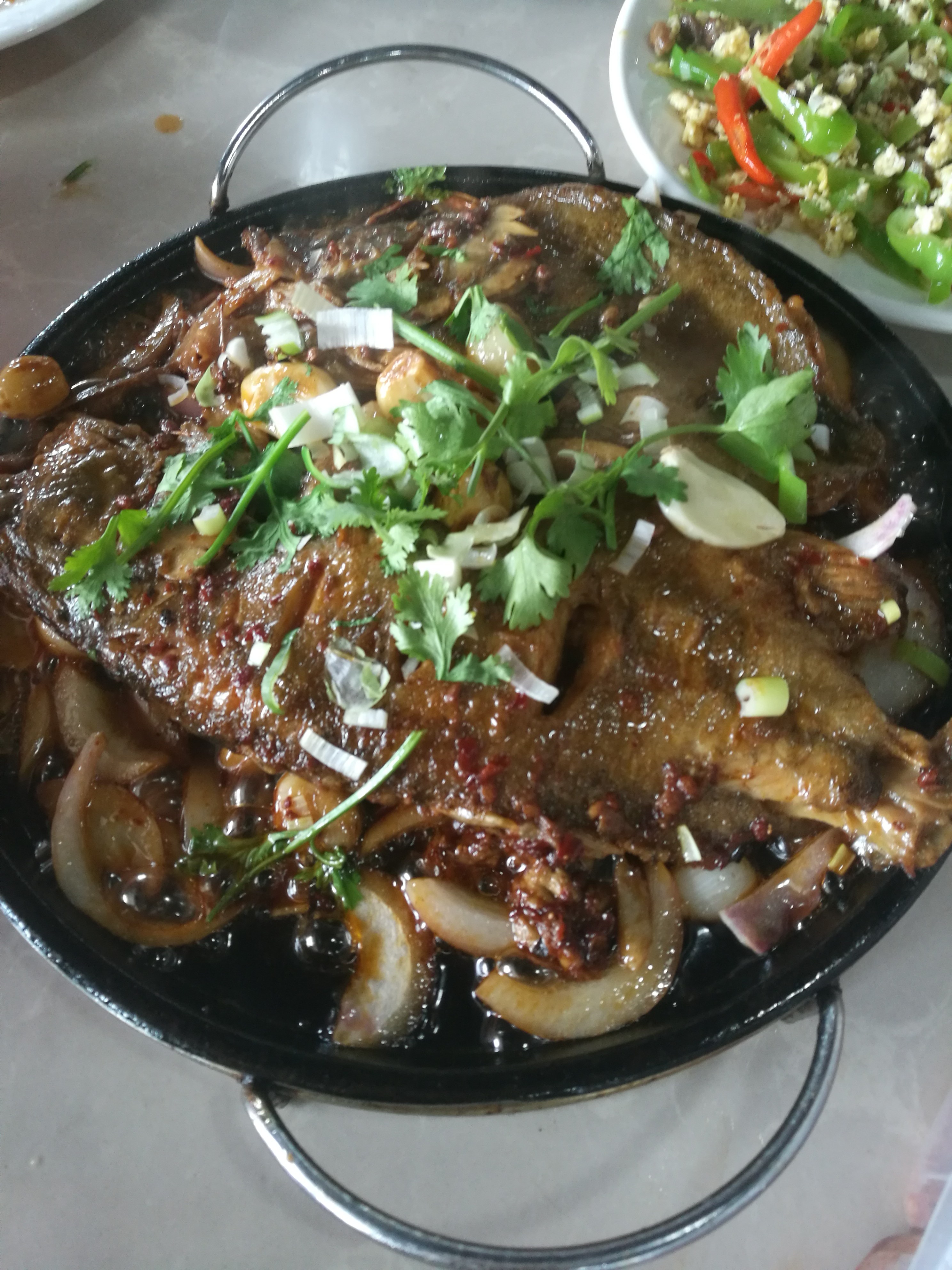
How many of these distinctive foods from Xiangcheng in Linyi have you tried: stinky mandarin fish, maodan (balut), and silkworm cocoons?
1. Stinky mandarin fish: although the fish smells a bit stinky, the meat is very tender and the taste is great! 2. Shaobing (baked flatbread): a leavened flatbread baked over charcoal, and as soon as it arrives you smell a very rich aroma. The bread is soft and tasty, with slightly crisp edges. 3. Silkworm...
条件筛选