How to Raise Silkworm Babies: Key Points from Feeding Mulberry Leaves to Spinning Cocoons
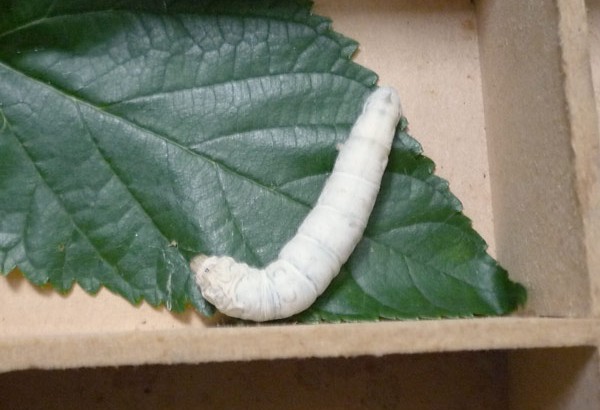
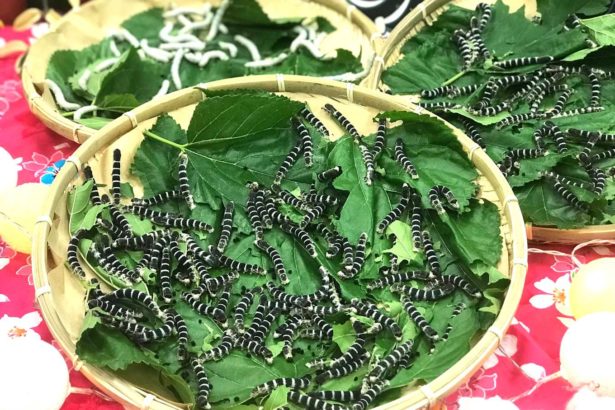
Silkworm babies is the common name for the larvae of the domesticated silkworm (Bombyx mori), so named because their bodies are soft and white all over, and many families and schools take them as an introductory choice for observing insect growth. Common silkworm babies are mostly white; in recent years, some breeding institutions have also developed special varieties with black bodies and colored cocoons, whose rearing methods are basically the same as ordinary silkworms.
As for food, silkworm babies feed mainly on mulberry leaves. The leaves must be fresh and clean; wipe off any water before feeding and avoid contamination with pesticides. During the young silkworm stage, their mouths are small, so the leaves can be chopped up to make them easier to nibble; during the large silkworm stage, they eat a lot, so whole leaves can be fed, and leftover leaves and droppings should be removed every day to keep the rearing bed dry and clean.
As for the environment, silkworm babies like warmth and dryness, and are best kept in a room at twenty-some degrees with good ventilation, away from direct sunlight and stuffy, humid conditions. Silkworms molt several times as they grow; not eating or moving during molting is normal, so do not mistake it for illness and turn them over frequently.
When the silkworm's body gradually becomes translucent, it means it is about to mature, and it can be placed on paper grids or dry twigs for it to climb and spin its cocoon. The most common problems in rearing are mostly related to humidity and hygiene; mulberry leaves carrying water and a stuffy, damp environment easily trigger disease, and sick silkworms should be isolated promptly. With proper management, the whole process from hatching to cocoon spinning takes about a month.