How to Process Silkworm Cocoons
A silkworm cocoon is the shell spun from silk by the silkworm, with the pupa hidden inside. If fresh cocoons are left unattended, the pupa continues to develop into a silkmoth, and when it breaks out of the cocoon it bites through the silk layer, snapping what was originally a single continuous filament and greatly reducing its value. So the core of cocoon processing is to seize the right moment to kill the pupa and dry the cocoons properly, keeping the cocoon layer intact so that later use is not affected.
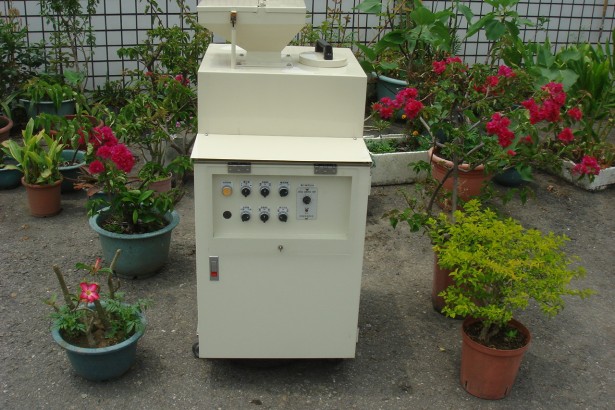
Processing generally starts with cocoon selection, picking out double cocoons, thin-shelled cocoons, yellow-spotted cocoons and other inferior cocoons, and using good and inferior cocoons separately. Next comes cocoon drying, using hot air to gradually dry the moisture from the pupa and the cocoon layer; the pupa must be killed without scorching the silk. Dried cocoons have a low moisture content and do not mold easily, so they can be stored for a long time while waiting to be reeled or sold.
Storing dried cocoons requires protection against moisture, insects and rats; the warehouse should be ventilated and dry, and the piles should not be packed too tightly or stacked too high, to avoid heating. Fresh cocoons are best collected and sent for drying the same day; if there is no time, they should be spread thin in a cool, ventilated place. Never bag them up and let them sit in a heap, because when heaped the pupae respire and produce heat, which easily leads to moth emergence or mold and causes losses.
Properly processed cocoons can be reeled into raw silk, and the pupae left after reeling can still be used as feed or fertilizer; double cocoons and thin-shelled cocoons are not suitable for reeling and are often used to make silk quilts, cocoon flowers and other handicrafts. If you want to keep cocoons to watch them emerge, that is for seed-saving purposes, and they should be placed separately and not put into the drying oven. Only by getting the timing of pupa killing and the degree of drying right can the quality and returns of the cocoons be better guaranteed.
Related Reading