-

A Detailed Guide to Black-Boned Sheep Lamb Prices, Feeding Habits, Profits and Free-Range Methods
Black-boned sheep, also known as Pumi black-boned sheep, is a fairly common type of sheep in China. Because its meat is delicious, its nutritional value is high, and it has strong adaptability and fast growth and development, it is widely raised. So how much does one black-boned sheep lamb cost on the market? What does it eat to grow up? How much can you earn by raising one
-
How to Increase Ewe Lambing Numbers? Master the Best Lambing Season and Postpartum Care Methods
Sheep are also called domestic sheep or white sheep. They are woolly, four-legged ruminants. Originally native to the mountains of the Northern Hemisphere, the male has large spiral horns, while the female has no horns or only small ones. So how do you increase ewe lambing numbers? In which season are the lambs born best? How should postpartum care be handled?
-
What part of the sheep is lamb spine? The king of calcium supplement, its nutrition, how much it sells for and how to cook it deliciously
Lamb spine is actually the sheep's backbone, the part with tenderloin and spinal marrow. Because its shape resembles a scorpion, it is called lamb spine. It is low in fat, low in cholesterol, high in protein, and also rich in calcium, easy to absorb, and has the effects of nourishing yin and tonifying the kidney, beautifying the face and strengthening
-
What are the prevention and treatment methods for ovine obesity syndrome in meat sheep?
Ovine obesity syndrome in meat sheep, also known as lamb obesity syndrome, is a widespread metabolic disease of lambs. This disease mostly occurs in obese lambs aged one and a half to two months with a strong feed intake. Causes of the disease: Because lambs that have just started to eat are fed large amounts of carbohydrate-rich corn, with a single feed type, the normal metabolism of the lambs is affected, and in addition the lambs do not get sufficient exercise over a long period. This causes the lambs to become excessively obese. Especially in housed lambs, or when lambs are transferred from grazing to housing, the metabolic process of the lamb's body is disrupted; when large amounts of carbohydrate feed are ingested, they are rapidly broken down into organic acids and carbon dioxide, causing the acid concentration in the blood to rise, which acts on the central nervous system and causes severe functional disturbance of the central nervous system. The affected lambs show a series of poisoning symptoms such as excitement and inhibition, and finally die from respiratory and cardiac motor center paralysis due to oxygen deficiency.</p><p>Main symptoms</p><p>Sudden onset; the affected lamb discharges foamy saliva from the corners of the mouth, has rapid breathing, cyanotic conjunctiva, accelerated heartbeat, and a slightly elevated body temperature; in the later stage neurological symptoms appear, with restlessness while standing, sometimes bleating, jumping and dashing forward, and sometimes abdominal pain symptoms. The course of the disease is acute; the most acute cases die in about 10 to 20 minutes, while slower cases die within one hour.</p><p>Treatment</p><p>This disease has a sudden onset and rapid death, so timely treatment is needed. The treatment methods are:</p><p>1. Use 0.1% cardiotonic sodium injection, administered subcutaneously or intramuscularly; inject 2 to 3 milliliters subcutaneously according to the lamb's body weight.</p><p>2. Intravenous injection of 300 to 500 milliliters of 5% glucose saline or 0.9% physiological saline.</p><p>3. Intravenous injection of 20 to 30 milliliters of 5% sodium bicarbonate.</p><p>4. Subcutaneous multi-point injection of 200 to 300 milliliters of 0.9% physiological saline or sugar saline.</p><p>Preventive measures</p><p>1. The concentrate fed to lambs should be diversified, and a single feed variety must be strictly avoided. In particular, feed rich in carbohydrates such as corn must be strictly controlled in amount; the mixed daily ration for lambs should be fed at fixed times and in fixed amounts, divided into multiple feedings, and hay and succulent drinks should also be provided. Provide salt free-choice, supplement trace elements and multiple vitamins, ensure the lambs have sufficient drinking water, strengthen exercise, and increase sunlight exposure time.</p><p>2. Strengthen the exercise of lambs during the suckling period. For lambs more than half a month old, exercise outside the shed should be carried out in clear and windless weather. The best exercise time is noon, and the exercise time should be gradually extended. Through exercise training, digestion and metabolism can be promoted, the lambs' physique can be strengthened, and the occurrence of this disease can be strictly prevented.</p>
-
What are the feeding standards for mutton sheep farming?
1. Lamb fattening feed formula: corn 62%, wheat bran 12%, soybean meal 8%, cottonseed meal 12%, limestone powder 1.8%, calcium hydrogen phosphate 1.2%, urea 1%, salt 1%, premix 1%. This formula contains 18% protein and 12.94 MJ/kg sheep digestible energy. 2. Intensive fattening concentrate formula, early stage
-
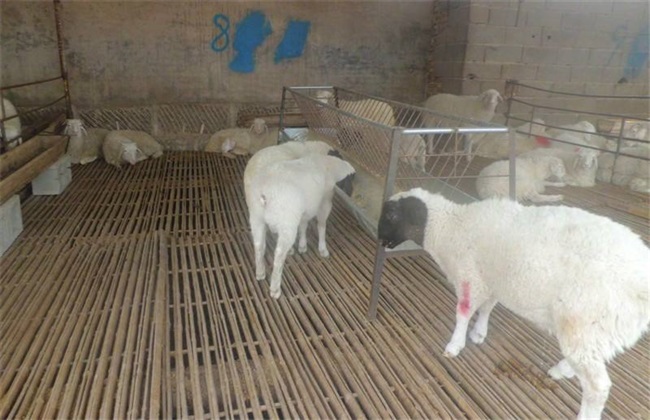
How can the survival rate of Small-tailed Han sheep lambs be improved?
How to improve the survival rate of Small-tailed Han sheep lambs
-
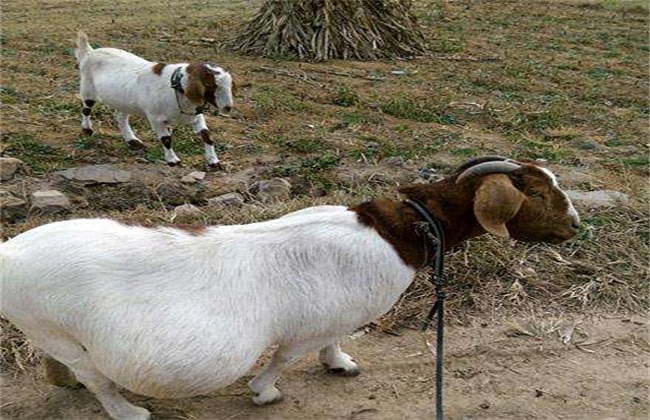
How Many Months Is a Sheep Pregnant Before Giving Birth to a Lamb? A Detailed Explanation of the Ewe's Gestation Period
How Many Months Is a Sheep Pregnant Before Giving Birth to a Lamb
-
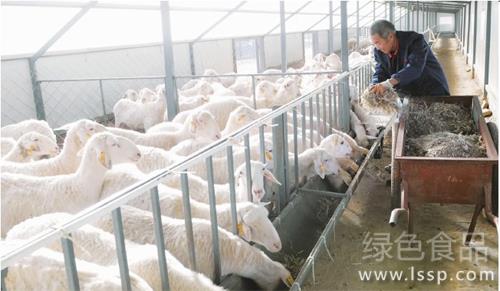
Fattening Technical Measures for Sheep Lambs of Different Weaning Weights
Fattening Technical Measures for Sheep Lambs of Different Weaning Weights
-
Key points for creep feeding and fattening of meat sheep in lamb creeps - early marketing brings good returns
Meat sheep bring good returns only when marketed early: key points for creep feeding and fattening of meat sheep
-
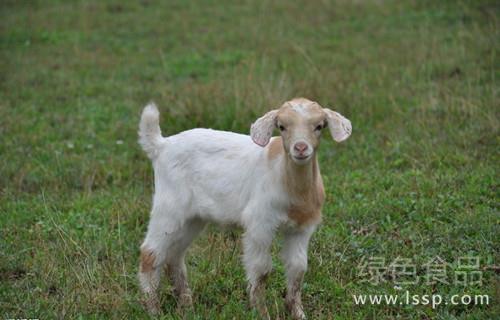
Five-stage lamb-preservation feeding method for meat sheep, helping concentrated breeding and lambing to improve returns
Concentrated breeding and lambing to improve returns: five-stage lamb-preservation feeding method for meat sheep
条件筛选