How can the survival rate of Small-tailed Han sheep lambs be improved?
The Small-tailed Han sheep is raised on a relatively large scale in China and is also a popular breed in the sheep farming industry. However, although the Small-tailed Han sheep is raised on a large scale, lamb deaths often occur when raising them, resulting in a relatively low lamb survival rate. So how can we improve the survival rate of Small-tailed Han sheep lambs? Below, the editor will give you a brief introduction. Let's take a look!
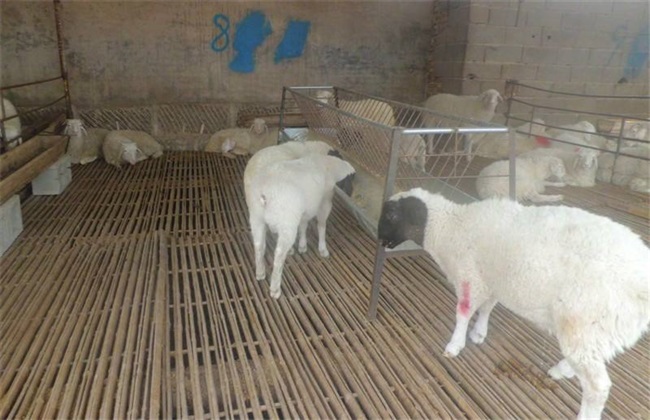
1. Ewe management
The Small-tailed Han sheep reaches puberty relatively early; usually, ewes can begin estrus and mating at around six months of age. Spring and autumn are the peak estrus periods, and mating should be carried out promptly when estrus occurs. The cycle is generally about 2-3 weeks, with an average of 18 days. If the first mating is unsuccessful, repeat mating should be carried out. During the ewe's gestation period, management should be strengthened, with about 3 kg of high-quality fresh grass provided daily, along with appropriate supplementary feeding of corn, wheat bran and other concentrated feed. During grazing, prevent pregnant ewes from being bumped, and do not let pregnant ewes run in fright, which could lead to miscarriage.
2. Lamb care
For newborn lambs, promptly clean off the mucus on their bodies, and when temperatures are low, do a good job of keeping them warm. Also, let the lambs suckle colostrum as soon as possible, because colostrum is rich in nutrients and can enhance the lambs' immunity. If the ewe gives birth to many lambs, resulting in insufficient teats or milk, then artificial rearing should be carried out properly. After the lambs are born, strengthen sanitation inside the shed, and allow the lambs to eat and drink freely. Let the lambs adapt to feed as quickly as possible and promote rumen development.
3. Lamb weaning
To wean lambs earlier, it is necessary to properly train the lambs' ability to eat. At half a month of age, lambs should be appropriately fed some tender fresh grass to promote the formation of their digestive tract function and gradually transition the lambs toward independent feeding. Also, in order to advance the lambs' feeding time, in the early stage, foods such as corn and soybean flour can be mixed together and cooked into porridge for feeding. Alternatively, the concentrated feed can be stir-fried and then placed in a basin for the lambs to lick on their own. Under normal circumstances, lambs can eat normally at about one month of age.
4. Disease prevention and control
Lambs themselves have relatively poor immunity and are prone to various diseases, such as iron deficiency, selenium deficiency diarrhea and dysentery. We should appropriately use medication for treatment according to the guidance of professionals. One month and half a month before the ewe gives birth, appropriately inject lamb dysentery vaccine once, which can effectively enhance the lambs' immunity. Within 10 hours after birth, lambs should be appropriately given oxytetracycline, once a day, about three feedings, which can effectively prevent dysentery. For sheep diseases, the principle of early detection and early treatment should be followed, and corresponding measures should be taken promptly after detection.
The above is a brief introduction to how to improve the survival rate of Small-tailed Han sheep lambs. That's all for today's introduction. This article is for reference only, and I hope it can help everyone!