Key points for creep feeding and fattening of meat sheep in lamb creeps - early marketing brings good returns
Creep feeding for meat sheep refers to the technique of setting up a creep pen for lambs where the ewes gather, in order to feed the lambs supplementary feed. Its purposes are: to promote lamb growth and reduce size differences among single and twin lambs and lambs born slightly later; to lay the foundation for improving fattening results, especially for shortening the fattening period; and at the same time to reduce the frequency with which lambs beg for milk from the ewes, thus maintaining the ewes' peak lactation for a longer time.
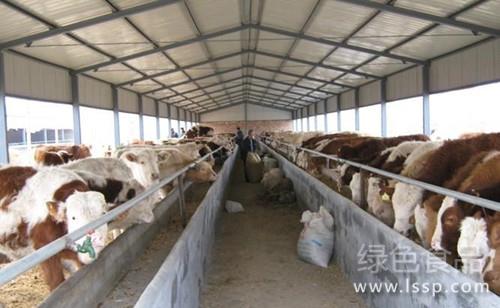
Lamb supplementary feeding
1: Lambs that need creep feeding:Lambs weaned early at 2 months of age, lambs from ewe flocks with three lambings in two years, lambs born in winter, lambs from purebred ewes, lambs from prolific ewes, and lambs born late in the lambing period.
2. Timing of creep feeding:For large flocks, start when lambs are 15-21 days old; if the lambing period is long and births are not concentrated, carry it out in batches according to lamb size. For small flocks, start when lambs are seen licking feed, and it can be started as early as 10 days of age.
3. Feed ingredients for lamb supplementary feeding:For roughage, use alfalfa hay or high-quality green hay as the main feed, and use a hay rack or hanging bundle to let lambs feed freely. Concentrates include corn, soybean cake, wheat bran, etc. For lambs before 1 month of age, the corn fed should preferably be large cracked kernels; after that, whole kernels are better. Adjust the feeding amounts of roughage and concentrate according to the season. For example, for early-spring lambs, supplementary feeding should be done before green grass emerges, with alfalfa as the main hay and corn as the main ingredient in the mixed concentrate; for late-spring lambs, supplementary feeding occurs at the peak of green grass, so no hay is needed, but in addition to corn, an appropriate amount of soybean cake should be added to the mixed concentrate to keep dietary protein no lower than 15%. Two common feed formulas are introduced here for reference.
1. For those without feed processing conditions: corn 60%, oats or barley 20%, wheat bran 10%, soybean cake 10%. Add 0.4 g chlortetracycline or oxytetracycline per 10 kg of mixed feed, a small amount of bone meal, mix whole kernels evenly.
2. For those with feed processing conditions: corn 20%, wheat bran 10%, oats or barley 20%, soybean cake 10%, bone meal 10%, molasses 30%. Add 0.4 g chlortetracycline or oxytetracycline per 10 kg of concentrate. Mix the above ingredients in proportion and make pellets 0.4-0.6 cm in diameter.
4. Feeding management for creep feeding:
1. Appropriate number of creep pens. Calculate the creep pen area at 0.15 sq m per lamb; the entrance and exit should be about 20 cm wide and 40 cm high, so as not to squeeze the lambs. The creep pen needs to be cleaned and disinfected.
2. Key feeding techniques. When starting supplementary feeding, put corn and soybean cake in the feed trough during the day, in small but high-quality amounts. Every day, whether it is eaten clean or not, replace it all with new feed. After the lambs have learned, feed according to daily intake. Generally, the daily intake is initially 40-50 g per lamb, later reaching 300-350 g, and the total mixed feed consumed over the whole period is 8-10 kg. When feeding, it is best to put out feed once a day and have the lambs eat it clean within half an hour. Arrange feeding in the morning or evening, but there should be good light. During feeding, if lambs are found not to adapt to the feed, the type of feed can be changed.