-

The Impact of Summer Heat on Pigs, Sheep and Cattle and How to Cope
Summer heat is a huge challenge for pigs, sheep and cattle, because high temperatures bring them many adverse effects. Do farmers know about these effects of high temperatures on livestock and how to cope with them? Let's take a look together. 1
-
What issues need attention when grazing a flock of sheep
1. Goats and sheep should not be grazed together in the same flock. 1 Goats and sheep have different grazing habits. Goats graze in a straight line forward and rarely eat regrowth behind them; sheep, on the other hand, readily eat regrowth. Experienced old herders have a saying: "Goats do not eat regrowth, and sheep that do not eat regrowth do not get fat."
-
What are the key points of technical measures for sheep flock breeding management
Spring, summer and autumn are the peak seasons for estrus and breeding in sheep flocks. Generally, estrus in sheep lasts from several hours to 3-4 days. Therefore, during feeding and management, special attention should be paid to the estrus status of ewes to ensure timely mating. When a ewe is found to be restless, eating less, bleating continuously
-
What are the effective measures for keeping a flock of sheep safe through the winter?
To keep a flock of sheep safe through the winter, it is not only necessary to create good environmental conditions, but also to strengthen overwintering management. Specifically, the following measures should be carried out well: 1 Focus on grazing and build up autumn fat. After the beginning of autumn, the days are short and the nights are long, and there is not enough grazing time. Relying only on daytime grazing means the sheep cannot eat their fill, so grazing time should be appropriately extended. Before the frost, they should go out early and return late; after the frost, they should go out late and return late, so that every sheep can eat grass and eat its fill. After the autumn harvest, the flock should promptly be driven to fields where crops have been harvested, to graze on the stubble and pick up weeds and scattered grain. If this is done well, they fatten faster, and this is also an important aspect of seizing autumn fat. By combining these practices, the flock can quickly gain fat and regain condition, laying a good foundation for safely getting through the winter.
-
Key Points of Winter Sheep Flock Feeding and Management Techniques
In winter, the weather is cold, the forage is coarse and hard, and nutrients are lost. Sheep flocks face many difficulties with winter grazing, especially ewes in the gestation period, which need nutrition themselves, and the growth and development of the fetus requires even more nutrition. Grazing alone cannot meet their nutritional needs. The only measure
-
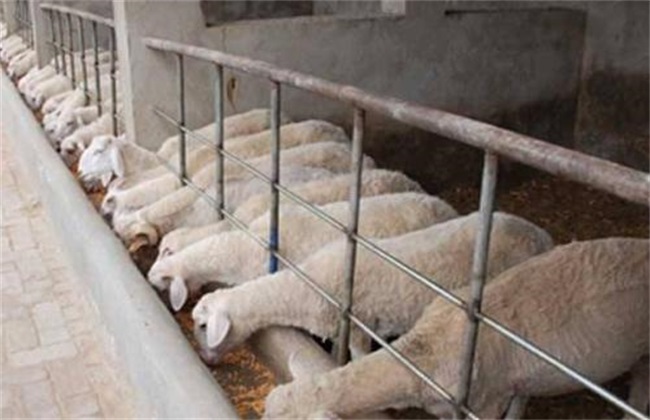
Analysis of key points for epidemic prevention in winter sheep farming, helping the flock stay healthy through the winter
Key points for epidemic prevention in winter sheep farming
-
-
What measures are there to improve the fertility of sheep flocks in agricultural areas?
What measures are there to improve the fertility of sheep flocks in agricultural areas?
-
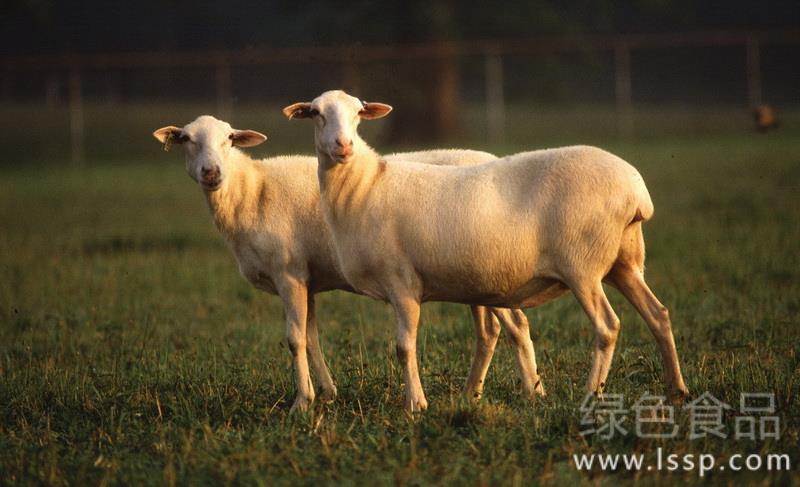
Spring sheep flock diseases must be prevented, bacteria breed easily, do not ignore it
In spring, bacteria breed easily, sheep flock diseases must be prevented
-
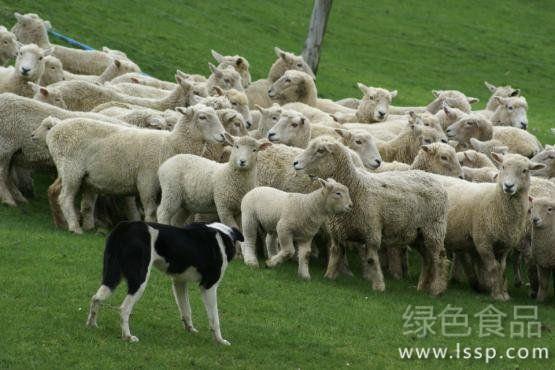
Summer has abundant forage and is suitable for grazing. What are the precautions for grazing sheep flocks?
Summer has abundant forage and is suitable for grazing sheep. Precautions for grazing sheep flocks
条件筛选