Analysis of key points for epidemic prevention in winter sheep farming, helping the flock stay healthy through the winter
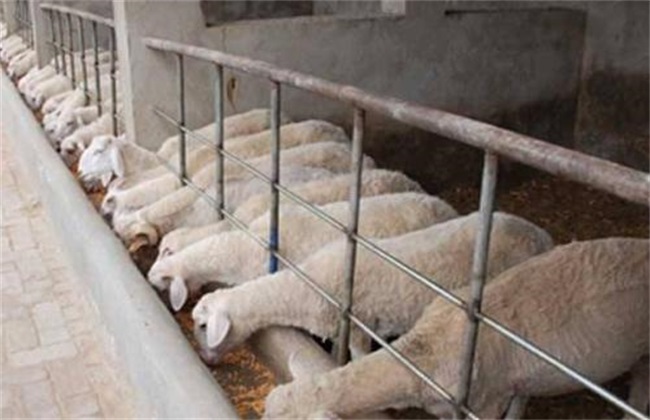
Sheep farming covers a very large area in China, and sheep farming methods are broadly divided into confined rearing and grazing. No matter what kind of farming method is used, great attention must be paid to epidemic prevention work. This avoids diseases affecting the growth of the sheep, especially in winter, the season with extremely low temperatures. Epidemic prevention work is also indispensable. So today, the editor will introduce the key points of epidemic prevention in winter sheep farming. Let's take a look below!
1. Disinfection system
When raising sheep, if the farming scale is large and divided into areas such as a production area and an office area, then the production area must be kept separate from the office area. In addition, disinfection pools must be set up at the main gate of the sheep farm and at the entrance of the production area. All personnel entering and leaving must be disinfected, and the disinfectant solution must also be replaced regularly to ensure the disinfection effect. Whether people or vehicles, all must be disinfected before entering the sheep farm. Disinfection work must also be done well around the sheep farm to prevent insects or other animals, such as rats, from carrying pathogens and causing sheep to become infected.
2. Epidemic prevention system
For the breeders, the growth condition of the flock must be checked regularly every day. If abnormalities are found in the flock, corresponding measures must be taken promptly. Breeding sheep purchased from outside must undergo quarantine work, and once problems arise, isolation feeding must be carried out properly. Try as much as possible to avoid visits by unrelated personnel, and breeders must pay attention to changing work clothes after entering the production area. In addition, regular immunization work must be done strictly according to the immunization program, with particular attention to prevention work for major diseases such as foot-and-mouth disease, braxy, and sheep pox.
3. Deworming system
In addition to epidemic prevention work, deworming is also something we cannot ignore. After lambs are weaned, deworming should be carried out once, and in spring, summer, and autumn, deworming should be carried out about once every two months. If it is a large flock, then deworm once each in spring and autumn, and in summer deworm every month. In May and August, carry out medicated bathing, add sufficient dosage, and pay attention to regularly changing the drugs to avoid parasites developing drug resistance.
4. Environmental hygiene
In winter we must also do a good job in environmental hygiene management. Maintain a hygienic, clean, and well-ventilated sheep shed environment, and disinfect the shed regularly. If the maternity pen needs to be used, then a flame disinfection must be carried out before the sheep enter. During disinfection, the walls, corners, and feeding utensils in the shed must all be thoroughly disinfected. In addition, the manure produced by the sheep must also be cleaned up promptly to prevent the breeding of bacteria from affecting the growth of the sheep.
The above is a brief introduction to the key points of epidemic prevention in winter sheep farming. That is all for today's introduction. This article is for reference only, and I hope it can help everyone!