Spring sheep flock diseases must be prevented, bacteria breed easily, do not ignore it
In spring, as temperatures rise and humidity increases, bacteria also breed easily, so when raising sheep, attention should be paid to the prevention and treatment of spring diseases.
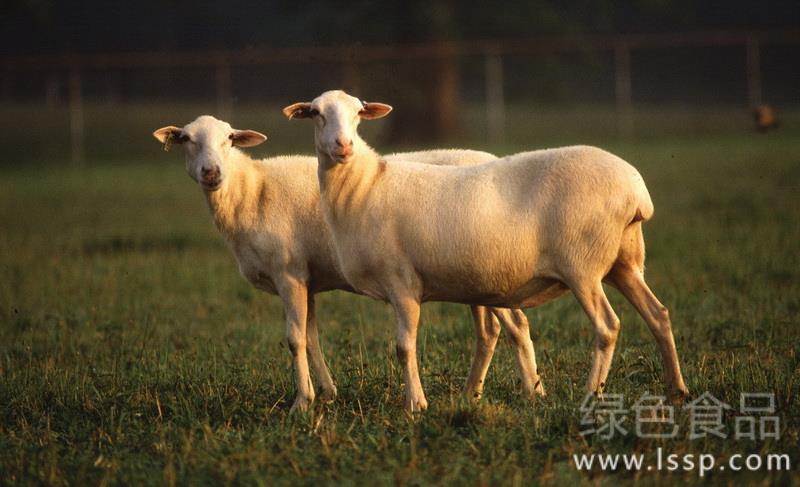
1. Common cold
In early spring, it is warm at first and then cold again, and the weather changes unpredictably. Sheep are exposed to sudden cold and heat, and are prone to catching colds. For sick sheep, intramuscular injection of 5 ml to 10 ml of aminopyrine or analgin, 1.6 million units of penicillin, and 500,000 units of streptomycin may be used. Alternatively, 100 grams of ginger and 2 scallions can be chopped, boiled into a soup, mixed with 50 grams to 100 grams of brown sugar, and administered orally, twice a day for 2 consecutive days.
2. Diarrhea
In winter, sheep mostly eat only dry hay. In spring, when they suddenly eat green grass, their stomach and intestines cannot adapt. If they eat too much, it can cause diarrhea or bloating. Prevention and treatment method: green grass and dry hay should be fed together, and green grass should not be fed all at once, so that the sheep's stomach and intestines have a gradual adaptation process. If diarrhea occurs, gentamicin can be given orally to the sheep.
3. Accidental ingestion of toxic grass
If sheep eat grass contaminated by pesticides, such as toxic wild vegetables, wild grass, or rotting matter, poisoning will occur. The symptoms are foaming at the mouth, purple mouth and nose, and rapid breathing. At this time, rescue should be carried out quickly. First, use a knife to prick the edge of the sheep's ear to make it bleed, and let the sheep hold a wooden stick in its mouth so that saliva can expel the toxins. Then administer 5 egg whites orally and inject 2 ml to 5 ml of atropine subcutaneously.
4. Acute bloating
In spring, green grass grows abundantly, and sheep may eat too much while grazing, or when kept in sheds and fed dry hay for a long time and occasionally fed green grass, they may eat too much. After eating, acute fermentation occurs in the stomach, producing a large amount of gas, which hinders rumination and causes the rumen to expand rapidly. If rescue is not timely or the rescue method is improper, the sheep will die. The rescue method is: find a piece of Chinese toon or willow stick and put it in the sheep's mouth, tie both ends with rope to the sheep's body, let the sheep chew it, then massage the sheep's left flank with your hand to help release gas. Alternatively, peel the paper off 5 to 10 cigarettes and stuff them into the sheep's mouth in two batches, letting the sheep eat them. For mild cases, the sheep can recover after eating cigarettes for 1 hour; for severe cases, feed 50 ml to 100 ml of vegetable oil after 1 hour. If none of these work, a veterinarian can be asked to perform puncture and release of gas.
5. Parasites
In spring, when sheep graze in low-lying areas, drink pond water, or eat dirty grass, they are susceptible to internal and external parasite infections. Therefore, from March to April in spring, sheep should be dewormed both internally and externally. For internal parasites, levamisole, albendazole, chongkexing, etc. can be used. For external parasites, trichlorfon tablets dissolved in warm water can be used to wash the sheep's body, or baisong insecticidal powder or lice and flea killing powder can also be used.