Summer has abundant forage and is suitable for grazing. What are the precautions for grazing sheep flocks?
Summer is hot and rainy, with abundant green fodder. Farmers must seize the opportunity to do a good job of grazing, to save costs, build up summer body condition, and lay the foundation for full body condition in autumn and winter and for breeding. But summer weather is hot, which easily causes diseases such as heatstroke in sheep. Therefore, farmers must pay attention to scientific grazing. The commonly used methods are summarized below for farmers' reference:
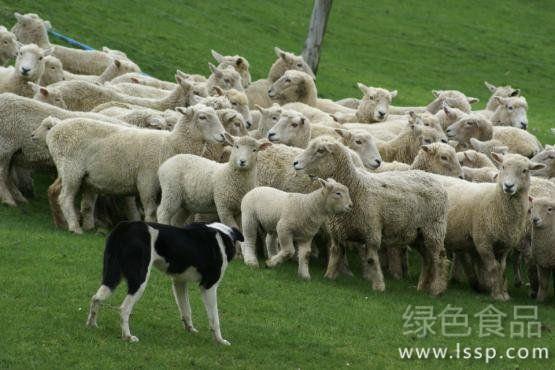
Sheep flock
1. Correct grazing methods.In summer the weather is hot, sheep like to huddle together and do not eat their fill. For morning grazing, go out early and return early; as soon as the morning dew has just dried, you can take them out to graze. From 11:00 to 15:00, let the sheep stay in the pen to rest and eat fodder, and bring them back at 7 p.m. On clear, cool days, choose a dry place for grazing; on hot days, choose a shaded woodland area to prevent heatstroke.
2. Pay attention to cooling the sheep down.In summer sheep are prone to excess internal heat, so to ensure their health, cooling the sheep down every day is very important. When returning at noon, the flock must not be hurried into the pen; first let the sheep rest in the shade of trees to cool off and drink water. After evening grazing, let the sheep cool down for a while before entering the shed. Each time you take them out and bring them back, do not rush the sheep; let them walk slowly, move about, and cool down and dissipate heat.
3. Pay attention to adverse weather.In summer there is more thunder and heavy rain. Once a flock is caught in a storm, the sheep are prone to injury, colds, and loss of body condition. Therefore, when grazing in summer, avoid wind and rain. In weather with frequent thunder and rain, bring along a large piece of fiber cloth that can cover the flock, so the sheep can take temporary shelter from the rain. When there is lightning and thunder, never graze on steep slopes, to prevent lightning strikes and sheep being startled and falling and injuring themselves.
4. Correct supplementary feeding and watering.Every day, supplement-feed 1—2 times a mixed feed made from concentrated feed such as cornmeal and soybean cake plus rice bran, grass bran, etc. Each day the sheep must drink lightly salted water 4-6 times. Never let the sheep drink water from dead ponds, irrigation and drainage water, or water from low-lying ditches.
5. Pay attention to environmental hygiene.Summer is hot and humid. After the sheep return from grazing, their range of activity becomes smaller, and the shed is easily damp, causing parasitic diseases. Therefore, pay attention to cleaning, ventilation, and moisture-proofing of the sheep shed, keep the sheep shed clean and dry, and prevent and treat sheep mange and other parasites. The feed and drinking water fed must be clean. Do not feed moldy, spoiled, toxic feed or feed mixed with foreign matter. Feeding utensils must be cleaned and disinfected frequently. The sheep shed and exercise yard must be cleaned and disinfected frequently.
6. Pay attention to disease prevention and treatment.When grazing, always pay attention to the sheep's condition, appetite, and manure. When an infectious disease or suspected infectious disease occurs, immediately isolate and treat them, properly dispose of the carcasses of dead sheep by deep burial or burning, so as to cut off the source of infection, control the epidemic, and stamp it out promptly.