-
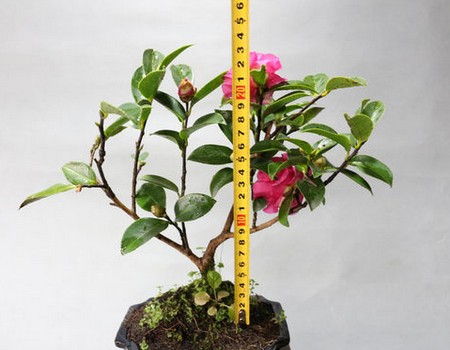
How to Shape a Camellia Sasanqua Bonsai? A Full Guide to Methods and Techniques
Camellia sasanqua has been favored by people since ancient times. It has a delicate form, elegant leaves, brilliant flower colors, and a long blooming period, making it a famous flowering plant prized both for its flowers and its foliage. The purpose of making a camellia sasanqua bonsai is appreciation, and the prerequisite for appreciation is being able to give the camellia sasanqua good shaping, so how to shape it is a very important point.
-
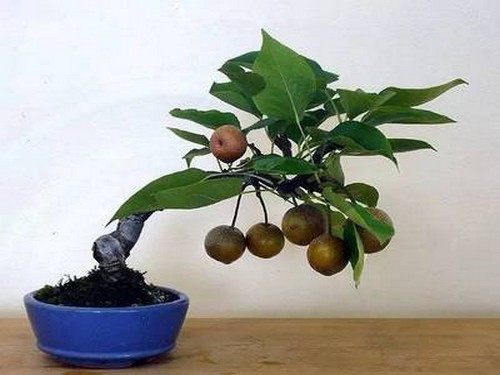
How to Shape a Pear Tree Bonsai? Detailed Practical Techniques
Pear trees are suitable for making many different styles of bonsai, such as formal upright, slanting, curved trunk, twin trunk, forest, semi-cascade, and lying trunk. Because the leaves are relatively large, the crown is mostly kept in a natural form rather than wired into pads. Since pear trees grow vigorously, with a large amount of annual growth, and the apical branches develop strongly
-
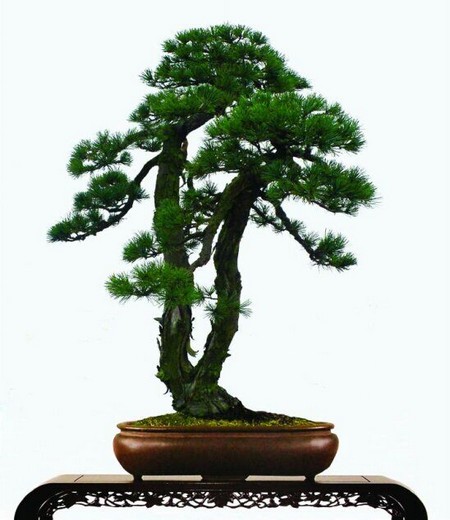
How to shape a pine bonsai in the tall-trunk weeping-branch style? Detailed practical tips
When we walk into the Wenzhou Bonsai Garden on Jiangxin Island, we are soon amazed and filled with admiration by the bonsai of varied shapes, fresh and graceful composition, and scenery that balances movement and stillness. Especially those tall-trunk weeping-branch style pine bonsai, revealing the great in the small, fully displaying the uprightness and vigour of the pine
-
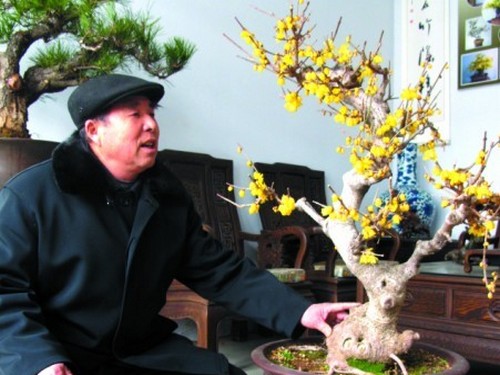
How to shape wintersweet bonsai? Detailed explanation of methods and principles
There are many ways to shape wintersweet bonsai. Taking the Sichuan-style bonsai as an example, they make wintersweet bonsai mostly in the "rolling dragon style," whose characteristic is a momentum like dragons flying and phoenixes dancing. If wintersweet is to keep a tree form, shape it after new branches grow; if making a stump landscape, cut off the upright branches and shape it after new branches emerge the following year
-
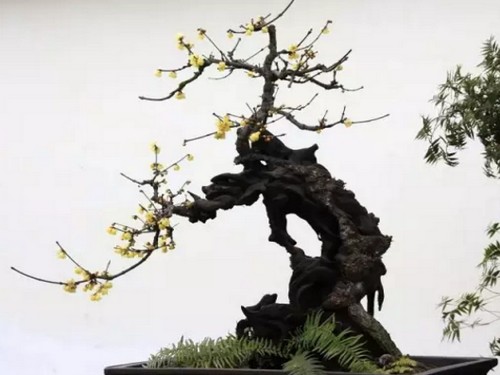
How to shape a wintersweet bonsai? A detailed guide to practical methods
In Yanling, Henan, the hometown of wintersweet, traditional wintersweet bonsai forms include single-trunk plum, dragon plum, knot plum, single-hanging-branch plum, double-hanging-branch plum, round-hanging-branch plum, screen-fan plum, and pearl upside-down roller blind, among others. It can be shaped by training and wiring young trees, or by using old, rugged dog-tooth wintersweet stumps as rootstock.
-
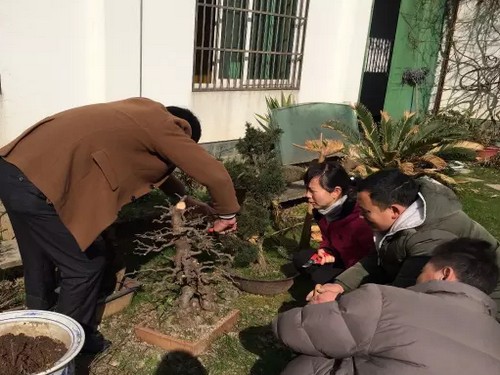
Detailed Explanation of Bonsai Pruning Techniques: Prune This Way for a More Beautiful Tree Shape
Bonsai pruning is synonymous with the means of shaping potted trees. Although there are also techniques such as wiring, pulling and hanging, guying, carving, and grafting, they are often conventionally grouped under pruning. As the main means of bonsai styling, it not only incorporates related techniques but also embodies styling concepts and compositional creativity within the "cut."
-
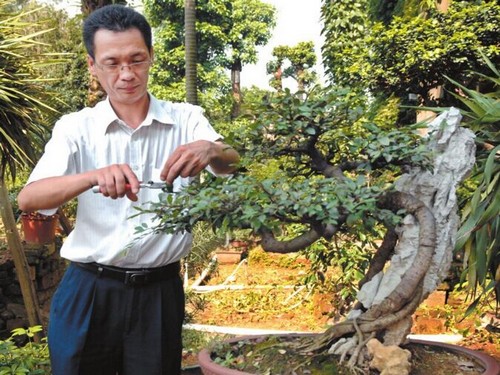
Bonsai pruning tips: learn how to prune for a great shape
Although bonsai trees have undergone intentional shaping by people, they have not lost their life and will still grow. Without pruning, they will inevitably lose their tree form and shape and thus their artistic value. Therefore, prune in a timely manner: shorten long branches and thin out dense branches, so as to maintain a graceful tree form and appropriate proportions.
-
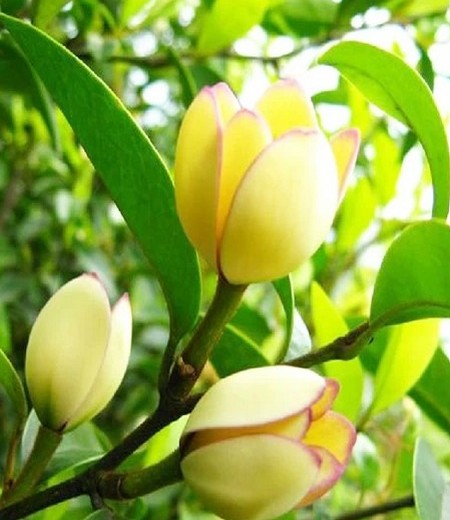
How to shape a banana shrub bonsai? Detailed methods and techniques
Banana shrub (Michelia figo) is a traditional ornamental plant. Many friends worry about whether it is toxic and fear it may affect their family's health. In fact, it is not toxic; on the contrary, it has excellent household benefits, medicinal value, and beauty and health benefits. The banana shrub's branches are elegant, its leaves are green, and its flowers are especially charming when in full bloom, giving off a rich fragrance.
-
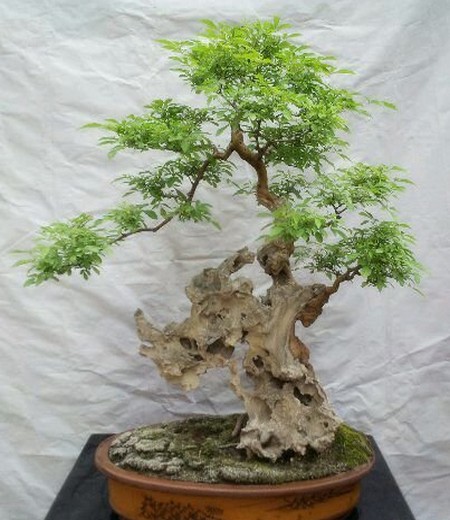
Detailed explanation of the styling methods for Vitex negundo bonsai, teaching you how to create a beautiful tree shape
Vitex negundo, also known as yellow vitex twig, is widely distributed in China and has extremely strong vitality. It is one of the commonly used miscellaneous tree species for making bonsai. It is highly adaptable and not demanding on soil. For potted Vitex negundo, loose-textured, well-draining humus soil is best, and the planting pot should preferably be a clay pot or cement pot. Before planting
-

How to shape and maintain the form of mixed-wood bonsai? Detailed explanation of the technical key points
Chinese bonsai is divided into northern and southern styles. Lingnan bonsai is mainly based on mixed-wood species, and its branch-cultivation and trunk-chopping techniques, along with its theoretical maturity, have produced one group of famous masters and masterpieces after another. Their success will be forever recorded in history and praised by the world. Thanks to the efforts of Lingnan bonsai practitioners
条件筛选