-

How can the boll-setting rate be increased in cotton cultivation?
Types of square and boll shedding in cotton include physiological shedding, shedding caused by pests and diseases, and shedding caused by mechanical damage. As for the causes of physiological shedding: first, excessive application of fertilizer and water causes excessive vegetative growth, with nutrients consumed too heavily in the early stage and supply falling short of demand in the later stage; second, excessive planting density in the cotton field causes severe shading by branches and leaves, reducing light, weakening photosynthesis, and decreasing the nutrients produced; third, some cotton fields are deficient in boron, causing cotton to flower but not set fruit; fourth, high temperature and drought, insufficient fertilizer and water, or excessively high temperatures cause cotton pollen sterility; fifth, frequent rainy weather leads to poor pollination. As for pest and disease damage, inadequate control of cotton mirids, cotton bollworms, Fusarium wilt and Verticillium wilt can easily lead to massive square and boll shedding. As for mechanical damage, it is mainly caused by improper operation during field management. In addition, in the past two years, blind application of herbicides has occasionally caused square and boll shedding.
-
What are some practical methods to increase the fruit-setting rate of jujube trees?
For jujube trees to be high-yielding, fruit setting is the most critical. Management depends on technique; for fruit setting, find the patterns. The flowering period must be seized firmly, and the secrets must be kept firmly in mind. 1. Flowering period The flowering period of jujube trees is relatively long, generally 35 days, that is, from May 25 to June 30. The flowering period is divided into the early flowering stage, full flowering stage, and late flowering stage. Around June 8
-
What measures are there to improve the fruit-setting rate of pear trees?
1. Protecting flowers and protecting fruit They are two technical measures with completely different meanings, but their purpose is the same: to improve the fruit-setting rate. Only when these two measures are skillfully combined on the same tree can it be ensured that the tree bears enough fruit for a good harvest. Protecting flowers and protecting fruit is by no means a matter of the flowers on the tree
-
How Long Does It Take for Impatiens to Go from Sowing to Setting Seed? A Detailed Guide to Planting Time and Methods
Impatiens is also known as garden balsam, "quick-tempered seed," and impatiens stem, among other names. It has medicinal properties and is also a common ornamental flower. So how long does it roughly take for impatiens to go from sowing to setting seed? When is the best time to plant? How should it be grown? 1. Impatiens from sowing
-
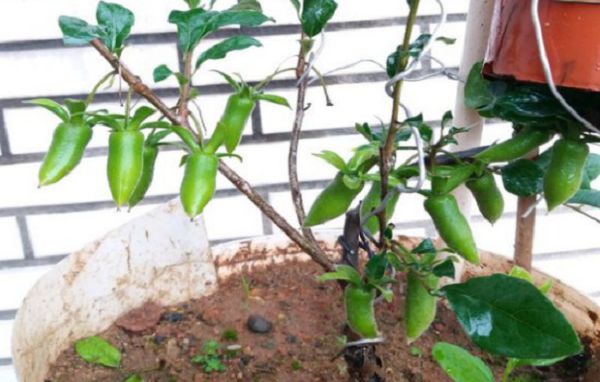
Why does the Chinese persimmon drop its fruit after setting fruit?
Why does the Chinese persimmon drop fruit after setting fruit?
-
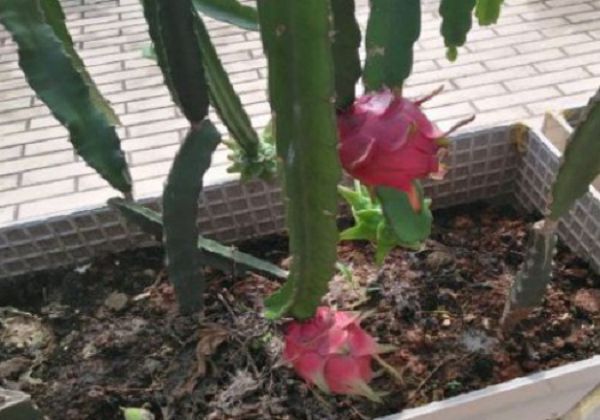
What fertilizer is best for dragon fruit during the fruit-setting stage? A detailed guide to fertilizing methods
What fertilizer should be applied to dragon fruit during the fruit-setting stage
-
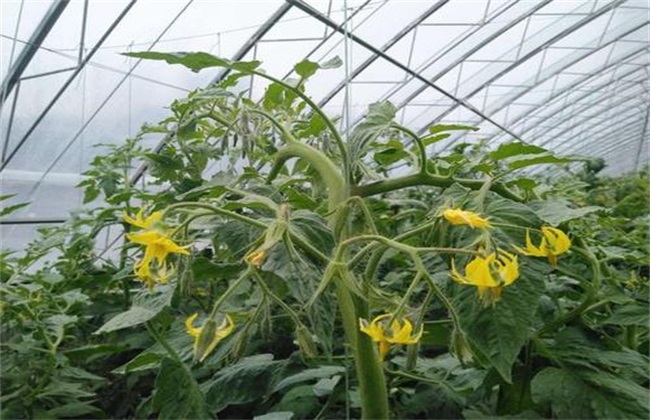
How can vegetables keep setting fruit continuously without premature aging?
How vegetables keep setting fruit continuously without premature aging
-
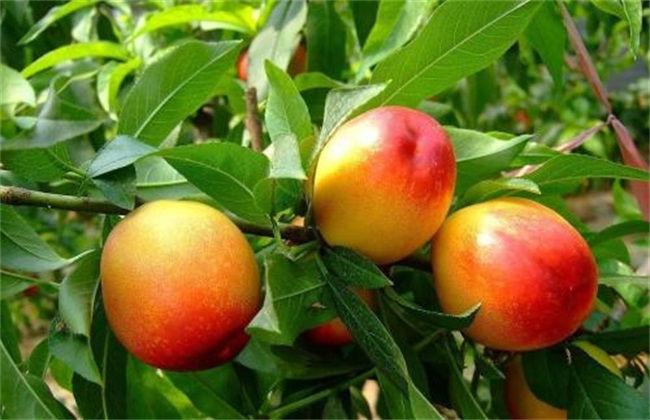
What causes the low fruit-setting rate in peach trees
What is the problem behind the low fruit-setting rate in peach trees
-
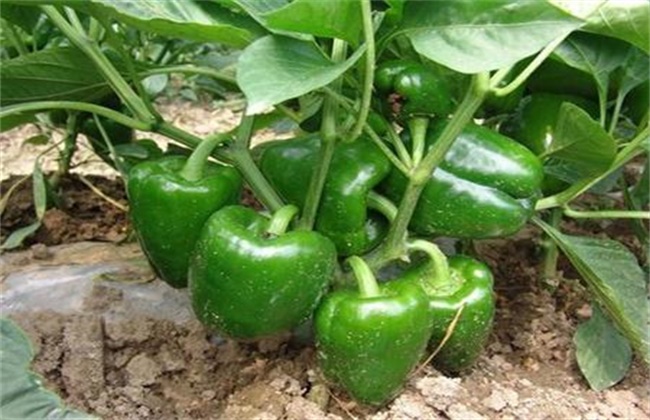
How should sweet peppers be managed after entering the fruit-setting stage?
How to manage sweet peppers during the fruit-setting stage
-
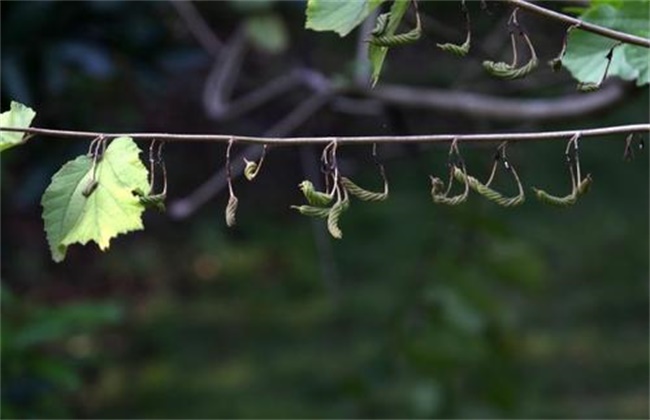
How to manage sesame during the capsule-setting stage? These key points you need to master
Key management points for sesame during the capsule-setting stage
条件筛选