-

What to do if the second flush of mushrooms does not appear? Causes and solutions
Normally, after the first flush of mushrooms is harvested, the second flush will begin to appear in about 10 days. In some cases, no mushrooms appear for a long time. The main reasons are, first, a high yield in the first flush and too long a growing period, causing a serious shortage of water content in the growing medium; second, temperature that is too low or too high, affecting the timing and yield of the next flush. The solution is to soak the growing medium bags in clean water for 1-2 hours, adding to the water 1% white sugar, 0.3% potassium dihydrogen phosphate, 0.5%-1% magnesium sulfate, 0.1% urea, and 0.1% zinc sulfate
-
How to scientifically control the first generation of the second-brood striped stem borer in single-season rice
Control recommendations 1. For early-sown and early-transplanted single-season rice fields, carry out a full control treatment once from June 20-25, targeting mainly stem borers and small brown planthoppers, and also controlling early-occurring leaf folders and rice thrips. Use 5% fipronil (Regent) suspension concentrate at 40-50 ml/mu, diluted in 30 kg of water for spraying. 2. For fields where rice stripe disease has occurred, on the basis of pulling out and removing diseased plants, promptly apply chemicals to control small brown planthoppers. Use 40% chlorpyrifos (Xinnongbao, Saiben) at 100 ml/mu, diluted in 30 kg of water for spraying, and repeat the treatment after an interval of 5-7 days.
-
Moderate to slightly light occurrence of the second generation of rice stem borers in Suijiang County in 2007
Rice stem borers in our county include the yellow stem borer (Scirpophaga incertulas), the striped stem borer (Chilo suppressalis), and the giant stem borer (Sesamia inferens). In the riverside area, 3 generations occur per year; in the mid-mountain area, 2 generations occur per year. At present, the first generation in the riverside area has ended, and the second generation is beginning to occur successively. According to observations at our station's Fengchi pest and disease monitoring point, this year's second-generation moth flight began on June 10, 1 day earlier than last year and 2 days later than normal years, with the peak day on June 18, 1 day later than last year and 8 days earlier than the historical average; by June 25, a cumulative total of 234 moths had been trapped, with the yellow stem borer, striped stem borer, and giant stem borer accounting for 94.9
-

0104 Second Dead Pig Washed Ashore from the Sea"Kinmen Discovers Another Dead Pig Washed Ashore from China, Becoming a High-Risk Area; Executive Yuan Sharply Criticizes China for Not Disclosing Information
0104 Second Dead Pig Washed Ashore from the Sea"Kinmen Discovers Another Dead Pig Washed Ashore from China, Becoming a High-Risk Area; Executive Yuan Sharply Criticizes China for Not Disclosing Information
-
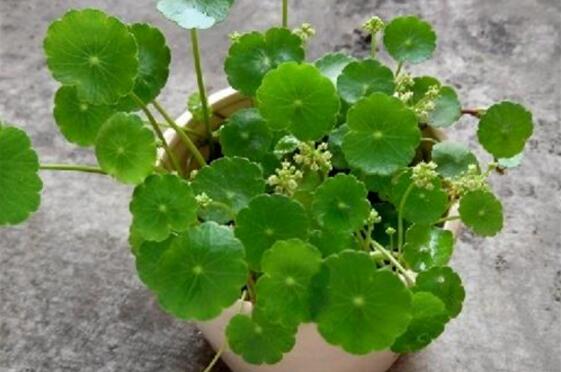
What to Do When Lysimachia Leaves Turn Yellow? Six Methods to Give It a Second Spring
Keeping Lysimachia (moneywort) at home is definitely a good idea, because it not only produces oxygen and relieves our fatigue, but most importantly, Lysimachia has amazing medicinal effects - steeping it in water cures a hundred diseases! However, in the process of growing Lysimachia, problems always arise, such as yellowing leaves
-
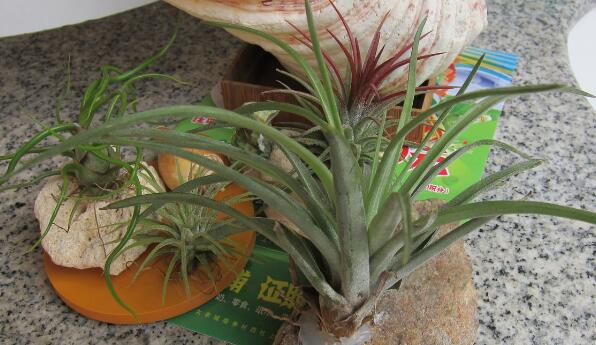
What to do when bromeliad colors fade, pay attention to 4 points to bring on a second spring / fertilize once every 2 weeks
The bromeliad is a very special and beautiful flower, and its trait of blooming only once in its lifetime makes growers treasure it immensely. The beauty of the bromeliad is 6 parts shown in its bright red leaves, but for some reasons, many growers' bromeliads' blood-red petals fade, greatly reducing their ornamental value.
-
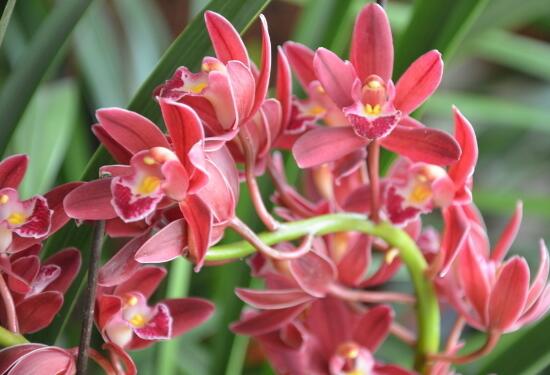
It is very difficult to get Cymbidium orchids to bloom a second time; a year-round care method teaches you how to rebloom them
Cymbidium orchids are world-famous new stars among orchids, and their huge flowers and vivid colors leave a deep impression; reblooming is probably familiar to flower lovers too, and it means getting a plant to bloom a second time, so how do you get a Cymbidium orchid to rebloom? In everyday life, very few people can successfully get it to rebloom
-
-
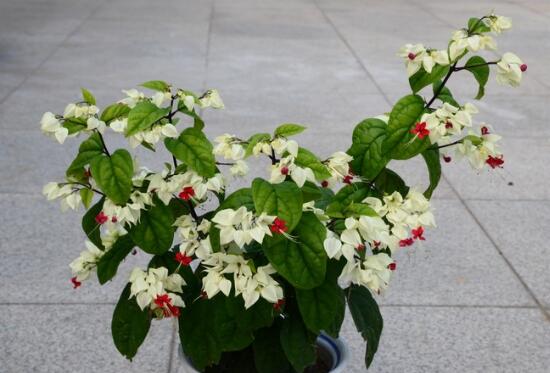
How to prune Bleeding Heart Vine? Illustrated method for pruning after flowering to encourage a second bloom
Bleeding Heart Vine (Clerodendrum thomsoniae) is a rather uncommon flower, but its blooms are oddly shaped and look exceptionally beautiful, so many flower lovers still grow it at home. However, Bleeding Heart Vine is a climbing plant, so if you want to keep it looking good and get more flowers, you need to prune it regularly. So how do you prune Bleeding Heart Vine?
-

What causes secondary growth in garlic? Teach you effective prevention methods
Causes of secondary growth in garlic and prevention methods
条件筛选