-
Causes of Second Parity Syndrome in Sows and Its Impact on Pig Farm Economic Benefits
Causes of Second Parity Syndrome in Sows and How It Affects Pig Farm Economic Benefits!
-
The most complete policy on farming subsidies for the second half of 2017 is all here
Click the gray button in the upper right corner, follow Ainongbang, and learn more important agricultural news. Crop farming and livestock farming are the two major sectors of agriculture, and their subsidy programs are also the most numerous and most complex...
-

Diagnosis and Treatment Experience of Secondary Infection with Hemotropic Mycoplasma (Eperythrozoon) in Canine Distemper
Canine distemper mainly affects young dogs, and its pathogen is canine distemper virus. Affected dogs are characterized by a biphasic fever pattern, rhinitis, severe digestive tract disorders and respiratory tract inflammation. However, cases of mixed infection of canine distemper and canine hemotropic mycoplasma (Eperythrozoon) are relatively rare. 1 Onset and Symptoms The affected dog was 8 months old, clinically diagnosed with canine distemper, with a disease course of 1 week, and had already been treated with canine pentavalent serum, antibiotics, etc. When it came to our hospital for treatment, it was confirmed to have secondary lobar pneumonia, with a body temperature of 40.6 degrees C, showing a biphasic fever pattern (that is, at the beginning of the disease the body temperature rises to about 40 degrees C
-
Stem Cell Research Opens a Second Front for the Cloning Sheep Technology Route
The Leap from Sheep to Monkey Without the two papers published on November 20, Shoukhrat Mitalipov would have been the most watched stem cell research scientist during this period. On November 14, this scientist at the Oregon National Primate Research Center in the United States published a paper in Nature, announcing that he had successfully obtained cloned rhesus monkey embryos. This was the first time scientists had cloned viable
-
How to treat swine influenza secondary to Haemophilus parasuis infection in pigs
Swine influenza is an acute, highly contagious disease of pigs, characterized by sudden onset and rapid spread through the whole herd. The main symptoms are upper respiratory tract infection, and it generally occurs in winter and spring and when the climate changes abruptly. The disease also often occurs secondary to Haemophilus parasuis infection in pigs. Outbreak situation: Yang, of Baimaqiao Township, Xiangning County, Shanxi Province, raised more than 40 pigs, including 18 finishing pigs, 11 feeder pigs, and the rest piglets. Because the owner used a swill-feeding method, the farming was also not well developed,
-
Key Breeding Techniques for Early Growth of the Second-Crop Velvet in Deer
There are 2 methods for harvesting velvet antler: sawing the antler and cutting the antler. Among them, sawing the antler generally starts from 3-year-old deer, and can be harvested 2 times per year. The 1st time is 45-50 days after Qingming, called "first-crop velvet", and the 2nd harvest is 50-60 days later, called "second-crop velvet". To promote early growth of the second-crop velvet, the following measures can be taken: 1. Select superior deer breeds - generally, the regeneration velvet yield of Tianshan red deer and Tarim red deer is significantly higher than that of Northeast red deer, so to obtain more regeneration velvet, it is best to choose to raise these two pure red deer breeds. 2. Utilize hybrid advan
-

Is it true or false that goldfish have a memory of only 7 seconds?
Is it true that goldfish have a memory of only 7 seconds?
-

What Are the National Second-Class Protected Animals? A Complete List of Common Species Names
What are the national second-class protected animals?
-
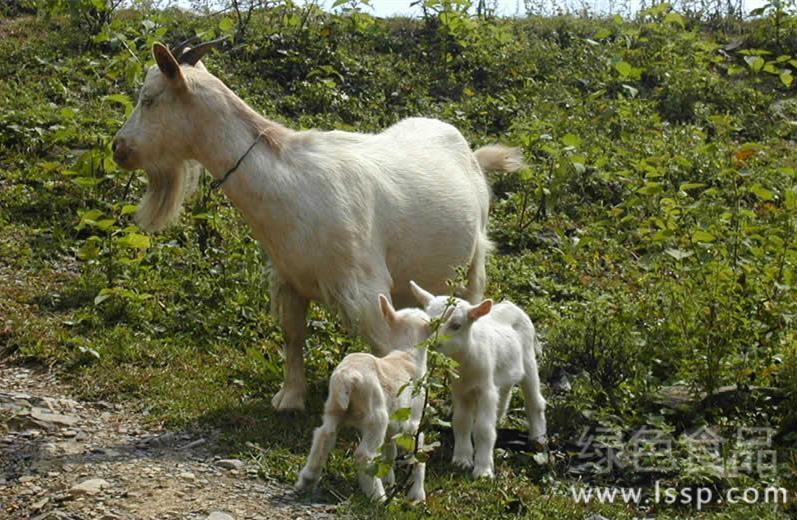
Goat pox with secondary pneumonia has a high mortality rate; how can it be prevented and treated?
Goats with goat pox and secondary pneumonia have high mortality; how to prevent and treat goat pox disease in goats
条件筛选