What to Do When Lysimachia Leaves Turn Yellow? Six Methods to Give It a Second Spring
Keeping Lysimachia at home is definitely a good idea, because it not only produces oxygen and relieves our fatigue, but most importantly, Lysimachia has amazing medicinal effects - steeping it in water cures a hundred diseases! However, in the process of growing Lysimachia, problems always arise, such as yellowing leaves. So what should you do when Lysimachia leaves turn yellow? For this, the editor has prepared six methods to ensure your money plant gets a second spring.
I. What to Do When Lysimachia Leaves Turn Yellow - Causes and Solutions
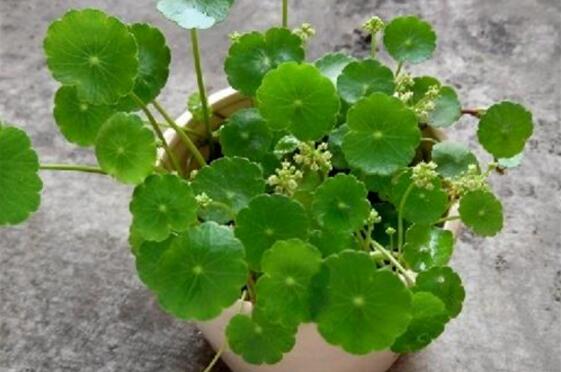
1. Poor ventilation causes yellowing leaves
One reason Lysimachia leaves turn yellow is that you keep it in a poorly ventilated environment for a long time. Even people feel stuffy without ventilation, let alone plants, right?
Solution: Once the problem is identified, it is much easier to solve. For this kind of yellowing, you just need to ventilate promptly and maintain regular ventilation. After a few days, your money plant will naturally recover.
2. Long-term lack of water causes yellowing leaves
In our guide on how to grow Lysimachia, we already explained that Lysimachia cannot go without water. Once it lacks water, the leaves will turn yellow. So the cause of this kind of yellowing is that you did not water it, or you only gave it a "half watering" - that is, you did not water thoroughly, and no water seeped out from the bottom of the pot.
Solution: If your Lysimachia has not completely died yet, then water it quickly and place it in a ventilated environment with a suitable temperature. Then follow the principle of watering thoroughly when you water. Believe that before long, the Lysimachia will recover.
3. Insufficient sunlight causes yellowing leaves
Insufficient sunlight is also one of the reasons Lysimachia leaves turn yellow. The reason is either that you were too lazy to let the Lysimachia get sun, or that the leaf surface was not sprayed and cleaned for a long time, allowing dust to accumulate and hinder photosynthesis.
Solution: For this kind of yellowing, the treatment is relatively simple. First, you need to clean the Lysimachia leaves well and keep the leaves clean, thereby enhancing photosynthesis. Also, move it outside to get sun from time to time.
4. Excessive temperature causes yellowing leaves
In our guide on how to grow Lysimachia, we introduced that the most suitable temperature for Lysimachia is 16-24 degrees. Once it exceeds this, the leaves easily turn yellow. Besides placing it in high temperatures, another cause may be that your Lysimachia suffered cold in winter and the roots have already been frostbitten.
Solution: What to do when Lysimachia leaves turn yellow? When encountering the above situation, you should take preventive measures before winter, enhance the Lysimachia's stress resistance, and take good cold-protection measures. After winter, if you rush to move it outdoors and place it in a warm spot to get sun, it may temporarily fail to adapt to the sudden climate change.
5. Failure to adapt to the outdoor environment causes yellowing leaves
Failure to adapt to the outdoor environment is also one of the reasons Lysimachia leaves turn yellow. After winter, if you rush to move it outdoors and place it in a warm spot to get sun, it may temporarily fail to adapt to the sudden climate change.
Solution: When encountering this situation, we should harden it off in advance before transplanting it outdoors. Wait until the Lysimachia adapts to the seasonal transition, then transplant it outside.
Besides the reasons introduced above, another cause of Lysimachia leaves turning yellow may be long-term lack of fertilizer. Although Lysimachia does not have high fertilizer requirements, when it lacks potassium, the leaves will also turn yellow. So in this situation, we can simply add an appropriate amount of plant nutrient solution.
II. Why Do Lysimachia Leaves Curl Up? Too Much Sunlight
In the process of growing Lysimachia, besides yellowing leaves, you may also encounter curling leaves. So why do Lysimachia leaves curl up? It is actually very simple - the sunlight is too strong. Lysimachia cannot tolerate direct sunlight! Although Lysimachia needs sunlight, letting it see light every two days is enough. If the leaves curl, you must quickly bring it back indoors and water it heavily.
III. Can Lysimachia Survive If the Leaves Are Cut Off? Yes
After Lysimachia has been grown for a long time, it will have many leaves. At this point, some people want to cut them all off. Can Lysimachia survive if the leaves are cut off? It is said that Lysimachia can survive even if all the leaves are cut off! As long as there are roots and fibrous roots, Lysimachia can grow new leaves!
Clivia Clivia miniata Clivia Illustrated Guide: How to Grow Clivia / How to Propagate Clivia
Clivia ProfileClivia Clivia miniata
Aliases: Large-flowered Clivia, Large-leaved Lycoris, Sword-leaved Lycoris, Damulan
Classification: Orchidaceae flowering plant
Family and Genus: Plantae, Angiosperms, Monocots, Asparagales, Amaryllidaceae, Clivia
Full bloom period: Spring
Clivia is a perennial herbaceous plant of the genus Clivia in the Amaryllidaceae family. Its flowering period lasts as long as 30-50 days, mainly in winter and spring, and it also blooms around New Year's Day to the Spring Festival. It dislikes strong light and is a semi-shade plant. It prefers cool conditions and dislikes high temperatures. The optimal growing temperature is 15-25°C, and growth stops below 5°C. It prefers fertile, well-drained and moist soil, and dislikes dry environments. Clivia has very high ornamental value. Its plant is elegant and handsome, with the grace of a gentleman, and its flowers resemble orchids, hence the name. The roots are fleshy and fibrous, and the leaf bases form a pseudobulb. The leaves are sword-shaped, up to 45 cm long, alternately arranged, with entire margins. The umbel inflorescence is terminal, and each flower...
Clivia Growing Methods and Precautions - Introduction to Clivia
Clivia is a perennial herbaceous plant of the genus Clivia in the Amaryllidaceae family. Its flowering period lasts as long as 30-50 days, mainly in winter and spring, and it also blooms around New Year's Day to the Spring Festival. It dislikes strong light and is a semi-shade plant. It prefers cool conditions and dislikes high temperatures. The optimal growing temperature is 15-25°C, and growth stops below 5°C. It prefers fertile, well-drained and moist soil, and dislikes dry environments. Clivia has very high ornamental value.
Its plant is elegant and handsome, with the grace of a gentleman, and its flowers resemble orchids, hence the name. The roots are fleshy and fibrous, and the leaf bases form a pseudobulb. The leaves are sword-shaped, up to 45 cm long, alternately arranged, with entire margins. The umbel inflorescence is terminal, and each inflorescence has 7-30 small flowers, sometimes more than 40. The small flowers have stalks, arranged in an umbel at the top of the flower stem, funnel-shaped, upright, yellow or orange-yellow.
Clivia flowers and leaves are beautiful and elegant, and it is also shade-tolerant. It is suitable for potted indoor display, for viewing both foliage and flowers, and is also an ideal potted flower for decorating conference venues and hotel environments. It also has the function of purifying air and medicinal value.
Clivia can bloom throughout the year, mainly in spring and summer. The fruit ripening period is around October.
Morphological Characteristics of Clivia
The roots of Clivia are fleshy and fibrous, milky white, and very thick. The root system is thick and large, with a very fleshy texture. The persistent leaf bases at the stem base of Clivia expand and clasp each other to form a pseudobulb. The leaves emerge in two ranks from the shortened stem at the base, neatly arranged, broad and strap-shaped, with rounded tips, hard and thick texture, and glossy with veins. The basal leaves are thick, sword-shaped, leathery, dark green, glossy, strap-shaped, 30-50 cm long, up to 85 cm at the longest, 3-5 cm wide, gradually narrowing at the base, alternately arranged, with entire margins.
The flower scape of Clivia emerges from the leaf axils. If grown from seed, it generally needs to reach 15 leaves before blooming. The flower stem is about 2 cm wide; the small flowers have stalks, arranged in an umbel at the top of the flower, funnel-shaped, upright, yellow or orange-yellow, orange-red. The umbel inflorescence is terminal, with upright flowers and several imbricate bracts. Each inflorescence has 7-30 small flowers, sometimes more than 40. The perianth has 6 fused lobes.
Clivia nobilis has slightly drooping flowers and a narrow funnel-shaped perianth. The pedicel is 2.5-5 cm long; the flower is upright, with a broad funnel-shaped perianth, bright red, slightly yellow on the inside; the perianth tube is about 5 mm long, the outer perianth lobes have a slightly protruding tip, and the inner ones are slightly concave at the tip, slightly longer than the stamens; the style is long, slightly extending beyond the perianth. The berry is purplish-red, broadly ovate.
The full bloom period of Clivia is from New Year's Day to the Spring Festival, mainly in spring and summer. It can bloom throughout the year, sometimes also in winter, and sometimes in summer from June to July. The fruit ripening period is around October; it is a berry, purplish-red. Clivia's flowers and leaves are both beautiful.
Ecological Habits of Clivia
Clivia is native to the tropical regions of southern Africa and grows beneath trees, so it fears both heat and cold. It likes semi-shade and humid environments, and fears strong direct sunlight. The best growing temperature is between 18-28°C. Below 10°C or above 30°C, growth is inhibited. Clivia likes ventilated environments and prefers deep, fertile, loose soil. It is suitable for growing in loose, fertile, slightly acidic organic soil. Clivia is a famous greenhouse flower and is suitable for indoor cultivation.
The roots and leaves have a certain correlation. When new roots grow, new leaves will also emerge. If the roots are eliminated (rotted from waterlogging or dried to death, etc.), as long as the leaves are not wilted, pay attention to maintaining soil moisture during care, and remember not to overwater, let it dry out too much, or water too frequently, then the roots will regrow new root systems and the plant can survive (with proper care, new roots can be found growing in about 10 days); if the leaves are damaged, it will likewise affect the roots.
Under normal circumstances, Clivia blooms once a year, generally after growing more than twelve leaves. If the indoor growing temperature is suitable, it can bloom around the Spring Festival. Known as the flower of wealth and honor, Clivia generally blooms once a year after growing up. Flowering twice a year is rare, and flowering three times is extremely rare.
There was a Clivia nobilis with 16 leaves. It was an old plant separated during repotting and was growing quite vigorously. It was transplanted into a large flower pot. When transplanting, some charcoal and old brick fragments were placed at the bottom of the pot, and three pieces of horse hoof (horse hoof keratin) were buried in as base fertilizer. After that, it was placed in a cool, shady spot with less sunlight, and a thin liquid fertilizer made by soaking peanut bran was applied regularly (about once every half month). Before long, a tender shoot grew.
By the Spring Festival, it bolted and bloomed, with a flowering period lasting more than twenty days. After the flowers faded, liquid fertilizer was applied as a top dressing, and some peanut bran was also added. Soon after, the flower scape that had not set seed was cut off. Subsequently, it grew two more tender shoots. By July, it bloomed a second time, also with a flowering period of about twenty days, but the flower scape was slightly shorter than at the Spring Festival. The flowers faded in August, and liquid fertilizer was immediately applied as a top dressing. After that, the flower scapes that had not set seed were cut off, and some liquid fertilizer, peanut bran, and soybean cake were applied regularly. In September, dozens of raw clams were also added as fertilizer. During high temperatures, it was placed in a ventilated spot indoors. By November, it unexpectedly bolted and bloomed a third time. This flowering period was also about twenty days, but with fewer flowers, only more than twenty. After the flowers faded in December, three more pieces of horse hoof were buried in the flower pot, and liquid fertilizer was applied regularly, so that it could bloom once more in February or March.
Clivia Cultivation Techniques - Soil
Clivia is suitable for soil rich in humus. This kind of soil has good aeration, good water permeability, and is fertile and slightly acidic (pH 6.5). A general Clivia soil mix is 6 parts leaf mold, 2 parts pine needles, 1 part river sand or furnace ash, and 1 part base fertilizer (hemp seed, etc.). Leaf mold mainly refers to oak leaves, also called oak tree. This kind of leaf is thick and is a very good humus material. It is nutritious and has good water permeability. Other leaves are too thin and disappear after decomposition, so they cannot be mixed with other media to make soil. When cultivating, the pot size should gradually increase as the plant grows. For one-year-old seedlings, use a 3-inch pot. In the second year, switch to a 5-inch pot. After that, repot into a pot one size larger every 1-2 years. Repotting can be done in spring and autumn.
Watering
Clivia has relatively well-developed fleshy roots, and the roots store a certain amount of water, so this flower is relatively drought-tolerant. However, even drought-tolerant flowers cannot be severely short of water, especially in summer when high temperatures are combined with dry air. Do not forget to water promptly, otherwise the roots and leaves of the flower will be damaged, causing new leaves to fail to sprout and the original leaves to scorch, which not only affects flowering but may even cause the plant to die. However, too much watering will cause root rot. So you must master it well, always pay attention to the dryness and moisture of the potting soil, and water once when it becomes semi-dry, but the amount should not be too much. Keeping the potting soil moist but not soggy is just right.
Under normal circumstances, water once a day in spring; in summer, use a fine watering can to water the leaf surface and the surrounding ground together, and water twice a day on sunny days; in autumn, water once every other day; in winter, water once a week or less. But you must note that this refers to "normal circumstances." You must adjust flexibly according to various specific situations. For example, water more on sunny days; water less on cloudy days, and during continuous cloudy days, water once every few days; do not water on rainy days. When the temperature is high and the air is dry, water several times a day; if the flower pot is large, because the soil stores a lot of water and does not dry out easily, water less; if the flower pot is small, water evaporates easily, so water an appropriate amount more. If the flower pot is placed in a well-ventilated place where evaporation is easy, water an appropriate amount more; in a place with poor ventilation, slow evaporation, and high air humidity, water less. During the seedling stage, water less; during the flowering period, water more. In short, it should be determined according to specific conditions, with the principle of ensuring the potting soil is soft and moist, and not too dry or too wet.
If conditions permit, magnetized water is of course the best; next is rainwater, snow water, or running water from rivers; next is pond water; the worst is tap water. Flower growers living in large cities only have tap water available, so you can use a small water vat or basin/bucket, put the tap water in it, and water after 2-3 days. This allows some harmful impurities in the water to settle. In addition, it allows the substances contained in the water to be oxidized and purified, and can bring the water temperature close to the potting soil temperature, so it will not be too cold or too hot and harm the plant.
Fertilizing
Many flowers like fertilizer, but fertilizing fertilizer-loving flowers also has a limit. Too much fertilizer is not good for growth and may even cause root rot or scorching of the plant. Clivia also belongs to this category of plants, and fertilizer must be applied in appropriate amounts.
Flowers have different nutrient requirements at different growth and development stages. Therefore, different fertilizing methods suitable for the plant's needs should be adopted at each stage. Such as base fertilizer, top dressing, and foliar feeding.
1) Applying base fertilizer (also called basal fertilizer)
The purpose is to create conditions for plant growth and development and meet its nutrient needs. Clivia base fertilizer should be applied when repotting every 2 years. Commonly used fertilizers mixed into the soil include barnyard manure (that is, poultry and livestock manure), compost, green manure, soybean cake fertilizer, etc.
2) Top dressing
Mainly to promote plant growth. Clivia can be fertilized with cake fertilizer, fish meal, bone meal, and other fertilizers. Apply less when first planted, and then gradually increase the amount of fertilizer as the plant grows and the leaves increase. When fertilizing, scrape open the potting soil and apply it 2-3 cm deep into the soil, but note that the fertilizer applied should not be too close to the root system to avoid burning the roots. Applying this kind of solid fertilizer once a month is generally enough, and it should not be more frequent.
3) Applying liquid top dressing
Liquid top dressing is made by mixing the soaked and fermented clear supernatant of animal and plant materials with 30-40 parts clean water, then pouring it onto the potting soil. For small seedlings, dilute with 40 times water; for medium seedlings, dilute with 30 times water; for large seedlings, dilute with only 20 times water. After applying the fertilizer solution, water once with clean water 1-2 days later (the amount should not be too much), so that the fertilizer penetrates the root system in the potting soil and fully exerts its fertilizing effect. Do not water 1-2 days before applying liquid fertilizer; let the potting soil be a bit drier before applying the fertilizer solution, which is more effective. The best time to fertilize is early morning; when pouring, let the fertilizer solution flow along the edge of the pot, and be careful to avoid applying it on the plant and leaves.
In addition, the type of fertilizer should also vary according to the season. For example, in spring and winter, it is suitable to apply some phosphorus and potassium fertilizers, such as fish meal, bone meal, and hemp cake, which help leaf vein formation and improve leaf glossiness; in autumn, it is suitable to apply some diluted soaking liquid of decomposed animal hair, horns, hooves, or soybean cake, diluted with 30-40 times clean water, to promote leaf growth.
4) Foliar feeding
This fertilizing method is mainly to make up for the deficiency of nutrients in the soil, to solve the problem of nutrient deficiency in the plant, so that seedlings grow faster and flowers and fruits grow larger. Foliar feeding is spraying the diluted fertilizer solution directly onto the plant's leaf surface with a mist sprayer, allowing nutrient elements to penetrate the leaf epidermal cells and stomata into the leaf tissues and then be transported throughout the plant. Commonly used fertilizer types include urea, potassium dihydrogen phosphate, superphosphate, etc. When spraying, spray evenly on both the front and back of the leaves. Spray once every 4-6 days during the growing season, once every 2 weeks during semi-dormancy. Generally spray after sunrise. After the plant blooms, spraying should be stopped. It must be noted that this method can only be used when the plant is found to be deficient in fertilizer. If the plant has sufficient nutrition and is growing vigorously, it should not be used.
Later-Stage Management
The flowering period of Clivia is generally from February to April. After flowering, the flowering period can be extended by appropriately lowering the temperature, ventilating, and reducing light. The length of the Clivia flowering period can be controlled through cultivation techniques.
Before and after the Clivia flowering period, the following treatments should be made in cultivation management:
Fertilizing
An additional application of bone meal, well-fermented fish innards, and soybean cake water should be made, which can make the flower color brighter, the flowers larger, and the leaves thicker. Otherwise, small flowers, few flowers, and pale flower color are likely to occur. At the same time, care should be taken to avoid excessive nitrogen fertilizer and insufficient phosphorus and potassium fertilizer, which can lead to weakened growth or leggy leaves, affecting bud formation and flowering.
Light
A certain amount of light should be provided to meet the light requirements for photosynthesis and flowering. Under strong light, the flowering period is short and the flower color is vivid; under weak light, the flower color is pale. Too much or too strong light, or long-term shading with insufficient light, will affect nutrient production and accumulation, preventing bud formation and flowering.
Temperature
Suitable temperature has a clear effect on the quality of flowering. If the temperature is too high, root hairs exist for a very short time, and the function of absorbing water and fertilizer is greatly reduced, causing Clivia to enter a semi-dormant state; if the temperature is below 10°C, growth will also be inhibited; the growing period should be controlled at 15°C-25°C, and the flowering period should be at 15°C-20°C. If root hairs exist for a long time and the water and fertilizer absorption function is good, the leaves will grow short and wide, and the flowering will be luxuriant. Attention should also be paid to maintaining a temperature difference of about 8°C between day and night for Clivia, because the organic matter it produces under higher daytime temperatures needs to be stored and digested under lower nighttime temperatures.
Water
Clivia must not lack water throughout the plant's growth period. When it enters the flowering period, the water requirement is even greater, and the growing humidity should not be lower than 60%.
Clivia Growing Methods
China currently mainly uses sowing to propagate Clivia, thus forming a wide variety of cultivars.
Clivia cultivation is relatively simple. First, choose good potting soil, and it can be placed indoors near a window, with fertilizer and water controlled according to local temperature characteristics. During the growing period, keep the potting soil moist. During the high-temperature semi-dormant period, the potting soil should be on the dry side, and water should often be sprayed on the leaf surface to achieve the purpose of cooling. Clivia likes fertilizer. Repot once every 2 to 3 years in spring or autumn, adding decomposed cake fertilizer into the potting soil. Each year before the growing period, apply 5 to 40 grams of decomposed cake fertilizer under the pot surface soil, and apply liquid fertilizer once during growth.
During management, turn the pot frequently to prevent the leaves from leaning to one side. If they lean to one side, straighten them promptly. When the temperature is 25 to 30 degrees, it easily causes leggy leaves, making the leaves narrow and long and affecting the ornamental effect, so growing Clivia must pay attention to regulating room temperature.
Clivia leaves are broad and strap-shaped, hard and thick in texture, and have gloss and veins. The leaves emerge in two ranks from the shortened stem at the base. With proper management, the leaves are neatly arranged and even more beautiful. The flower scape emerges from the leaf axils, and it generally blooms only when it has 20-25 leaves. The full bloom period is from New Year's Day to the Spring Festival, and it sometimes blooms in summer from June to July. After flowering, it can set a small amount of seed, requiring artificial pollination. The seeds mature only after 240-270 days.
The roots of Clivia are milky white, very thick, and very fleshy. The roots and leaves have a certain correlation. When new roots grow, new leaves will also emerge. If the roots are injured or necrotic, the corresponding leaves will also wither; if the leaves are damaged, it will likewise affect the roots. Clivia's root system is thick and fleshy. The leaf base forms a pseudobulb; the leaves are leathery and dark green. The umbel inflorescence has several to dozens of flowers; the flowers are funnel-shaped, upright, and orange-red. Its variety is yellow-flowered Clivia (vae.aurea Regel). The flowering period is winter and spring. It is robust in nature and likes warm, humid, and semi-shade environments. It requires well-drained, fertile loam. It is not cold-tolerant. In South China, Clivia can be used for flower beds or as cut flowers; in East China and areas north of the Yangtze River basin, it is grown as an indoor potted plant for viewing leaves and flowers.
Clivia is native to the tropics and likes semi-shade. The most suitable temperature is 10 to 25 degrees. It is suitable for growing in loose, fertile, slightly acidic organic soil.
Clivia Propagation Methods
Clivia generally uses only two propagation methods: one is sexual propagation, namely seed sowing; the other is asexual propagation by division. Large-flowered Clivia is more commonly propagated by sowing. The advantage of this propagation method is that it can propagate in large quantities to meet the needs of many flower growers. However, seed propagation first requires artificial pollination, preferably cross-pollination between different plants (higher seed-setting rate). A robust plant can generally set ten seeds after cross-pollination; self-pollination can only set a few seeds.
Sowing Method
The pollination method is: 2-3 days after the perianth cracks, when the flower bud is mature and the stigma secretes sticky fluid, this is the time for pollination. When pollinating, use a new brush to dip the pollen from the stamens and gently shake it onto the stigma of the pistil. To increase the seed-setting rate, pollinate once each between 9-10 a.m. and 2-3 p.m. The seeds can mature after about 8-9 months. When the fruit skin gradually changes from green to black-purple, cut off the fruit cluster, and after 10-20 days, peel out the seeds. Before sowing, soak the seeds in warm water at 30-35°C for 20-30 minutes, then take them out and air-dry for 1-2 hours (at this time, if they can be soaked in 10% sodium phosphate solution for 20-30 minutes, then taken out, washed, and soaked in clean water for 10-15 hours, it is even better), then sow them into the culture soil. After sowing, place the flower pot in an environment at room temperature 20-25°C and humidity around 90%, and the radicle will sprout in about 1-2 weeks.
Before sowing propagation, first prepare the culture soil. There are many materials that can be used to make culture soil, but one relatively easy-to-obtain method is to use loose soil with sufficient humus taken from the forest surface layer and mix in 1/3 clean fine sandy soil.
Clivia likes slightly acidic soil, with a pH value of 6-6.5 being suitable. The time requirement for propagating Clivia by sowing is not strict. It can be sown in spring, autumn, and winter, but temperature is an important factor. It is best to sow under conditions of 20-25°C, which can meet the temperature requirements for germinating embryos.
Division Method
Asexual propagation of flowers includes cuttings, division, layering, grafting, and other methods, but the asexual propagation of Clivia generally only uses division, and Clivia nobilis more commonly uses this method.
To propagate by division, first do several preparatory tasks:
① For home potting, prepare flower pots. It is best to use clay pots. Do not buy porcelain or ceramic ones just for the sake of a beautiful pot surface, because they have poor air permeability and are not conducive to plant development and growth.
② Prepare the medium soil, preferably sterilized. If using a mix of humus soil and fine sand, the humus soil should be sprayed and sterilized with a 1000-2000 times water solution of potassium permanganate; the fine river sand should also be scalded and sterilized with boiling water to avoid seedlings being infected by pathogens and rotting.
③ Prepare a small amount of charcoal powder to apply to wounds to absorb moisture and prevent rot.
④ Sharpen the cutting knife, and finally quickly dry-grind it on a whetstone (without adding water) several dozen times, so that the blade becomes very hot, in order to kill pathogens.
When dividing, first take the mother Clivia plant out of the pot, remove the old soil, and find the axillary buds that can be divided. If the offset grows on the outer edge of the mother plant and the plant body is relatively small, you can hold the pseudobulb part with one hand and pinch the base of the offset with the other hand, tear and pry it a bit, and the offset can be separated from the mother plant; if the offset is thick and strong and not easy to break off, use the prepared sharp knife to cut it off. Never force it off, to avoid damaging the young plant. After the offset is cut off, immediately apply dry charcoal powder to the wound to absorb the flowing sap and prevent rot. Next, pot the offset.
When planting, the planting depth should be such that the base pseudobulb of the offset is buried, and the part near the seedling should be slightly higher, and cover with sterilized sandy soil. After planting, water thoroughly immediately. When the wound heals after 2 weeks, add another layer of culture soil. Generally, it takes 1-2 months to grow new roots and 1-2 years to bloom. Clivia propagated by division has relatively stable heredity and can maintain the various characteristics of the original species.
Clivia Disease Control - Common Viruses
Several common diseases of Clivia include southern blight, soft rot, anthracnose, etc.
Southern Blight
When this disease occurs, the stem near the root appears with water-soaked irregular brown spots, the cortex soft-rots, and then white silky mycelium grows and spreads over the soil surface around the roots, later forming small sclerotia, and finally becoming rapeseed-colored, expanding until the entire base rots and necroses.
Control methods:
① Before potting, sterilize the culture soil. A relatively simple method is to place the culture soil at 60°C for 24 hours;
② Frequently observe the soil surface. If white mycelial lines are found, pick them out and burn them, and sprinkle some lime powder around the diseased spot for disinfection; ③ In the early stage of the disease, pour a 500-times solution of 50% carbendazim wettable powder on the stem base of the plant and the soil around the base, once a week, 2-3 times is enough.
Soft Rot
Pathogens often invade through wounds. When the disease occurs, pale yellow water-soaked spots appear on the leaves, then expand into irregular disease spots, causing the leaves to become brown soft rot, and bacterial fluid flows out from the wound at the disease spot.
Control methods:
① Once this disease is found, immediately separate the diseased plant, scrape open the culture soil around the plant to expose the diseased part, pry open the rotted diseased leaves, use a sterilized knife to scrape off the rotted parts, expose it to appropriate sunlight, and keep it ventilated and dry;
② If many plants are rotted, all diseased tissue must be removed, soaked in a 5% potassium permanganate water solution for 1 hour, rinsed with clean water and dried, apply plant ash to the cut, change to a new pot for planting, and place it in a ventilated place with not-high temperature;
③ For drug treatment, penicillin or streptomycin or oxytetracycline plus 4000-**** times water solution can be sprayed or applied to the disease spots, with certain efficacy.
Anthracnose
This disease mostly occurs in rainy, humid, and stuffy seasons, and the affected parts are mostly leaf tips and leaf edges. In the early stage, moist brown small spots appear on the leaves, then expand into elliptical and other main disease spots, with a yellow surrounding area, and later gradually shrink and dry up. Too wet potting soil and excessive nitrogen fertilizer easily cause this disease.
Control methods:
① Give the flower pot an environment with good ventilation and light. The potting soil should only be moist, not watered too much or too frequently. Increase phosphorus and potassium fertilizer and control nitrogen fertilizer.
② When signs of disease are found, immediately spray with a solution made of 50% wettable carbendazim powder plus 800 times water, or a solution of 60% anthracnose thiram plus 1000 times water. Spray about once every 6 days, and 3-5 sprays can be effective.
Common Pests
The common pest of Clivia is scale insects. When pest damage occurs, scale insects often gather on the tender shoot tips of the leaves, suck leaf sap, and secrete large amounts of pathogens, causing the stems and leaves to become moldy black, causing sooty mold, and making the leaves wither. This insect has strong reproductive capacity and can occur in multiple generations a year. One female adult can often reproduce hundreds of offspring. If control measures are not taken in time, it can cause death.
Control methods: Prevention should be the main approach. Usually observe the plant body frequently, and when pests are found, remove and treat them early to prevent spread. Scale insect control can use both manual and chemical methods. If pests are found on only 1 or 2 leaf tips, manual scraping can be done, using a sharpened thin wooden stick or bamboo skewer to remove the insect bodies. If a large number of nymphs appear, spray with a 1000-times solution of 25% phosmet emulsifiable concentrate, or spray with a solution of 40% omethoate emulsifiable concentrate plus 1000-1500 times water. Generally, spraying 1-2 times can kill them.
In addition, note that earthworms can also become pests of clivia. When the clivia plant is young, its fleshy roots are very tender and weak. If there are earthworms in the potting soil, they often burrow around everywhere, injuring the tender roots, destroying the clivia's ability to absorb nutrients, and causing the plant to stop growing or develop root rot.
The control method is: regularly check whether there are round soil pellets on the surface of the potting soil (that is, earthworm excrement). If found, immediately prepare a solution of 50% dichlorvos emulsifiable concentrate diluted with 1500-2000 times water and pour it on as a drench. If earthworms appear and start writhing after the drench, remove them immediately; after one week, repeat the same treatment once, and the earthworms can be completely eliminated.
Cultivar Classification of Clivia Common Cultivars
Clivia miniata is a perennial herb. The fleshy roots are white and unbranched. The basal leaves are numerous, leathery, alternate, neatly arranged, fan-shaped, and evergreen. The stem is a shortened stem. The flowers are a determinate inflorescence, arranged in an umbel; the flower scape is flat, fleshy, and solid; the florets are stalked, funnel-shaped, and colored orange-yellow, pale yellow, tangerine-red, light red, deep red, etc. The immature berry is green, and after ripening it is purplish-red. The seeds are large and spherical.
Clivia miniata
Through artificial hybridization, many precious cultivars have been selected and bred. In China in the 1940s, there were cultivated varieties such as Shengli, Heshang, Ranchang and Youjiang. By the 1980s, there were cultivated varieties such as Hualian Heshang, Yuantou, Chuncheng Duanye and Huang Jishi. In recent years, new varieties such as Momo Clivia, Fangye and Jinsilan have also appeared. At present, clivia cultivars are distinguished according to plant size, leaf length, length-to-width ratio, leaf tip shape, prominence of veins, flower color, fruit type, etc. Overall, short and wide leaves, thick and hard, bright and glossy leaf surfaces, upright and neat, rounded leaf tips, and raised vein patterns are considered fine varieties; large yellow flowers are considered premium.
In Japan, foliage-type clivias are valued more than flower-type clivias, while the United States and Europe focus on improving flower color. For this reason, Japan has selected and bred variegated clivia (C. miniata cv. Variegata) with white stripes and yellow stripes. The United States has selected and bred 22 clivia cultivars of different yellows, including Sir John Thouron, Yellow California Sunshine, Yellow Re-Bloomer, pink Tessa, orange-red Sara, etc., which are expensive, with each small seedling costing from 250 to 350 US dollars.
Plants in this genus also include Clivia nobilis (narrow-leaved clivia), Clivia nobilis (when the flowers open they hang down like a bowed head smiling, hence the name). Clivia caulescens (C. caulescens) (deep green leaves, deep orange-red flowers). Clivia gardenii (C. gardenii), which has orange or yellow edges at the tips of the red flowers.
Subordinate Classification
At present, five species of clivia have been discovered in total, respectively called Clivia nobilis (Nobilis), Clivia miniata (miniata), narrow-leaved clivia, also translated as Clivia gardenii (gardenii), Clivia caulescens (caulescens) and Clivia mirabilis (mirabibis). In addition, in 2004 another species called swamp clivia (Robust or swamp) was discovered in southern Natal. In other words, only the above six clivias are currently recognized by the South African Clivia Society.
Among them, all Chinese clivias belong to Clivia miniata in the genus Clivia, and the flower colors are mainly red and orange. Compared with the floral art of other countries, Chinese clivia is mainly based on foliage art. Classified by flower series and strain, Chinese clivia belongs to the red and orange flower series of the Clivia miniata category in the genus Clivia.
Clivia nobilis
The leaves of Clivia nobilis are very hard and rough, band-shaped, about 300-800 mm long and 25-50 mm wide. The leaf tips are very blunt. Its inflorescence generally has 20-60 small flowers, hanging downward. The flowers are mostly dark orange, with green petal tips. But there are also flowers with colors between pink-yellow and dark red. Its fruit generally contains 1-2 seeds, the fruit skin is red, and the red fruit takes 9 months to mature. The seedlings grown from seeds have very slender leaves, about 1.5 mm thick.
The growth period of Clivia nobilis is very long. From a seed to flowering takes 8 to 10 years, or even longer. Given the characteristics of the flowers, it is very easy to confuse with Clivia gardenii. Precisely because its growth cycle is very long, it is boldly speculated that the "Clivia nobilis" once popular in China may have been Clivia gardenii.
Clivia miniata
In its native regions, the leaf width of Clivia miniata generally does not exceed 50 mm, and rarely reaches 90 mm. Flower shapes include narrow-petaled and wide-petaled forms, like a trumpet. The inner petals are generally wider than the outer petals. The flower color is generally orange, with a yellow-white inner core. Of course, there are also flowers with colors between the yellow-white series and the dark red series. Flowers of very pale and very deep colors are relatively rare. When blooming, a flower bud generally has about 20 flowers, and some reach 40. The berries contain 1-20 seeds, generally fewer than 10.
Clivia gardenii (narrow-leaved clivia)
The plant height of Clivia gardenii generally reaches 80-130 mm. Its leaves are bright green, 350-900 mm long and 25-60 mm wide, very narrow and long, with pointed leaf tips. The flowering period is long, from late autumn to winter. The flower color is generally orange-red, and the petal tips have very obvious green. Flower colors also include other colors between yellow and red. The flowers hang in an arc, not drooping as severely as Clivia caulescens and Clivia nobilis. Each berry contains 1-2 seeds. The fruit takes 12-15 months to mature.
Clivia caulescens
The height of Clivia caulescens is 500 to 1500 mm. Adult plants have an aboveground stem, reaching 1 m in length, and in special cases reaching 3 m. The soft, flat, pointed leaves are arched, about 35-70 mm wide and 30-60 cm long. It generally blooms in spring and summer. The flowers droop like those of Clivia nobilis, and the flower color is orange-red, with green petal tips. The round red berries contain 1-4 seeds, and the berry diameter is 9-13 mm. The seeds generally mature in winter, with a maturation period of 6 months after pollination.
Clivia mirabilis
A new clivia species was discovered in the Northern Cape Province of South Africa, and its name is Clivia mirabilis.
Clivia mirabilis grows in humus in crevices on mountain slopes covered with stones, either singly or in groups. These places often have relatively sparse cover of evergreen African redwood forests. Some Clivia mirabilis also grow in sunlight, but these plants often have leaf tips scorched by sunlight and appear water-deficient. In the morning, the vast majority of Clivia mirabilis are on the shaded side of cliffs, and after that, until sunset, they can receive sunlight. The areas where Clivia mirabilis grows generally present a semi-arid Mediterranean-style climate, and in winter they often experience a rainy period.
The center of the leaves of Clivia mirabilis has a white stripe, which distinguishes it from other clivia species. Moreover, its seeds need only 5 months to mature, unlike other clivia species. For example, the seeds of Clivia miniata need a 12-month maturation period, the seeds of narrow-leaved clivia need a 15-month maturation period, and Clivia caulescens and Clivia nobilis need about a 9-month maturation period.
Clivia mirabilis is a newly discovered species, and its identity was only formally confirmed in February 2001. This clivia is still in a specially protected natural area, and apart from Oorlogskloof Nature Reserve, no other place has yet been found with a community of Clivia mirabilis. Therefore, the number of cultivated Clivia mirabilis is still very scarce. When cultivating Clivia mirabilis, note that it likes soil rich in humus and a semi-shaded environment. Given its semi-arid habit, it should be given a fairly dry environment in summer.
Swamp Clivia
Swamp clivia was not formally confirmed as a species until 2004. Like other clivias, this clivia is a native plant of South Africa. The places where it grows are often sandy acidic soils. According to related introductory articles, this clivia is "commonly found in forest-covered areas, and such areas are often located in or near swamp areas. Some communities also grow on riverbanks or below cliffs, and these places often have humus-rich soil. In swamp areas, swamp clivia appears in large communities, and some plants, supported by their root systems, can reach 1.8 m tall, while in relatively dry areas, the plants are noticeably shorter and stouter."
Swamp clivia is the largest species of clivia, capable of growing to 1.8 m tall. In swamp areas, a very few root systems can reach 4.5 m long! The leaves of swamp clivia are flexible and have smooth edges, with rounded leaf tips and pale white stripes in the center of the leaves. The leaf length is often between 30-120 cm, the width is often between 3-9 cm, and the leaf base is often colorless.
Swamp clivia generally blooms from March to August (South Africa's autumn and winter seasons). The inflorescence generally has 15-40 small orange-red, drooping, tubular flowers with green petal tips. The pedicels go from red to green. Its fruit is spherical, red, and generally has no more than 4 seeds in the fruit. The fruit maturation period reaches 12 months.
Winter Management of Clivia
Clivia is native to South Africa. It is a perennial evergreen herbaceous flower that prefers a warm and cool climate, fears high temperatures and severe cold, goes dormant in summer, and grows in autumn and winter. Therefore, strengthening winter management is the key to cultivation. Clivia must use special clivia soil.
The key points are as follows:
1. Fertilization. Clivia has the fastest vegetative growth rate in winter and needs the most nutrients, so applying winter fertilizer well is very important. Before bringing the flowerpot indoors, use bone meal, fried sesame, cooked soybeans, etc., or compound fertilizer, and apply once every 15 to 20 days diluted with water; you can also water the roots with a soaking liquid of animal and plant residues. The fertilizer must be fully decomposed and applied lightly to prevent concentrated fertilizer from causing damage.
2. Watering. Clivia has fleshy roots, likes air, and fears waterlogging. In addition, clivia leaves have a waxy layer, and in winter the temperature is low, so transpiration and evaporation of water are low. Therefore, watering should not be excessive; simply water together with fertilization and keep the potting soil moist. Never flood-irrigate, which can cause root rot and plant death.
3. Heat preservation. The most suitable growth temperature for clivia is 15°C to 25°C. It stops growing at 10°C and suffers cold damage at 0°C. Therefore, in winter it must be kept warm and protected from freezing. After the flower scape emerges, maintaining about 18°C is appropriate. If the temperature is too high, the leaves and flower scape will become leggy, thin, and weak, the flowers will be small and of poor quality, and the flowering period will be short; if the temperature is too low, the flower scape will be short, and it will easily suffer "arrow clamping" and premature flowering, affecting quality and reducing ornamental value.
4. Light adjustment. Clivia likes scattered light and avoids direct strong light. When maintained indoors in winter, the flowerpot should be placed in a place with sufficient light. Especially before flowering, there should be good light, which is beneficial for the flower buds to develop plump and strong. After flowering, appropriately lower the temperature and avoid strong light, and maintain good ventilation, which helps prolong the flowering period.
5. Leaf care. Fat leaves make strong flowers; green leaves make bright flowers. Short, broad, thick, green, glossy, and upright leaves are the characteristics of healthy clivia and are the basis for promoting flowering and improving ornamental value. To maintain robust leaf quality, in addition to providing reasonable fertilizer and water, the leaf surface must be kept clean to improve photosynthetic efficiency. Methods of leaf care: first, regularly wash the leaves, spraying and rinsing with the same clean water or wiping away dust on polluted leaves to keep the leaf surface clean; second, promptly spray fungicides to prevent leaf spot, leaf blight, and stem rot, ensuring green leaves and brilliant flowers.
Uses and Functions of Clivia
Clivia is a noble flower of high taste. Its Latin name contains meanings of wealth, nobility, beauty, and magnificence. China's "Ciyuan" says, "A person of talent and virtue is a junzi (gentleman)." The naming of clivia implies that it has the gentlemanly character and bearing of a person. The value of clivia refers to the relationship between people's needs and the attributes of clivia, that is, clivia can satisfy people's many needs such as beautifying the home, cultivating character, purifying air, and improving health, making your home display an elegant and luxurious style and adding splendor and charm to enrich and adjust people's lives.
Ornamental Value
Flowers are the essence of nature, and clivia is a rare flower among thousands. Clivia miniata has a dignified and beautiful plant shape, verdant and upright leaves, large and brilliantly colored flowers, and bright red fruits. Its leaves, flowers, and fruits are all beautiful, and it is known as viewing flowers in one season, viewing fruits in three seasons, and viewing leaves in all four seasons. Its flowering period lasts as long as forty or fifty days, and it can bloom in early spring, making it an important festival flower.
Clivia is a perennial evergreen herbaceous plant, but it is not an ordinary grass; it is a treasure grass, just as a diamond is not an ordinary stone but a gem. Clivia is a rare flower and exotic plant. Its rarity lies in its excellent leaves, flowers, and fruits, and viewing its leaves is better than viewing its flowers. "Though all flowers are good, ask not; only the junzi surpasses all fragrance." Other flowers "always have their time to bloom and fall," and one must "store fragrance for next year," making it hard for people to be captivated for long. But clivia leaves can be viewed by people every month, every day, and every moment, giving people enjoyment of beauty.
Chinese clivia has wonderfully beautiful sword-shaped leaves, layered emerald in a fan shape; standing in pairs, glossy in color. The pseudobulb formed by leaf sheaths at the lower part of the leaves sometimes resembles an exquisite pagoda, sometimes a golden ingot; and the top forms of the leaves vary, some like ovals, some like semicircles as if drawn with a compass. The leaf surface is even more beautiful, some like black pearls scattered on a jasper plate, some like green gems inlaid on a yellow golden plate, forming vivid and colorful patterns.
Chinese clivia has a jade-like upright flower scape and graceful flower posture; the flower shape is regular, brilliant and colorful; the inflorescence is umbel-shaped, elegant and bold; the flower color is fresh and beautiful, surpassing all others. Among its oil-green glossy leaves, bright trumpet-shaped flowers appear, like green-clad soldiers playing a spring symphony in all directions. The bright petals are infused with apricot yellow, the base presents milky white, and the corolla also shows bright red and other colors, glistening and reflecting one another, like an ancient jade beauty, graceful and moving. Especially when reflecting the spring sunlight, it sparkles dazzlingly and is especially enchanting.
The purpose of clivia flowering is pollination, fertilization, fruit setting, and seed formation into berries to reproduce. The fruit takes about 8-9 months of growth before it can go from small to large and from green to red, and only then can the seeds mature. Therefore, clivia is known as having fruits to view in three seasons. The fruits of variegated clivia are even more colorful and truly beautiful.
Viewed from the overall form of clivia, from the side it is a line, and from the front it is like an open fan. Some resemble a peacock spreading its tail, some resemble a roc spreading its wings, making people never tire of looking, lingering and reluctant to leave. It can compare with famous paintings and compete in brilliance with handicrafts. But any famous painting or handicraft can be mass-reproduced and imitated, while clivia (except for offsets) cannot be reproduced or imitated, and no identical second plant can be found. Clivia is like people: even with the same parent plants, their offspring are not entirely the same. This is the wonder among wonders of clivia.
Another wonder of clivia is that it needs no special cultivation. Its flowers bloom in winter, during Christmas, New Year's Day, and the Spring Festival, and the flowering period is long. Outside it is icy and snowy, wrapped in silver; indoors there are green leaves and red flowers, full of spring and vitality, giving people a feeling of joy and pleasure and setting off the festive and warm atmosphere of the holiday. On both sides, neat and beautiful leaves cluster around the sturdy flower scape supporting a mass of fiery red flowers, and dozens of small flowers trumpet in all directions. It tells people that this is truly what is meant by: "When my flower blooms, all other flowers fade."
Clivia has yet another wonder: it can live over a hundred years and seem immortal. Although it is a perennial plant, after decades of cultivation, a section of its rhizome can still be cut off for rejuvenation, making it return to youth, radiate green, and grow robustly. Precisely because of its extremely strong vitality and wondrous immortality, it is called the flower of long life and eternal spring, and people dare to spend tens of thousands or hundreds of thousands in huge sums to buy a fine clivia for viewing and cultivation. Also, because clivia blooms in winter (especially during festivals), low-grade clivia with low prices are also welcomed by thousands of households. In addition, in recent years some young girls have treated clivia fresh cut flowers as a symbol of eternal youth and immortality and given them to their beloved sweethearts.
Among the clivia family, the striped variegated clivia is magical, and its foliage art gives it myriad charms, countless graceful postures, incomparable beauty, and indescribable wonder. As the diamond among flowers, it is beautiful but not seductive, noble but not arrogant. Whoever possesses it possesses enjoyment of beauty, status, and wealth. It is the hope and sought-after item of clivia today and in the future. Appreciating its beauty lies in: (in addition to other standards) more color is superior, less is inferior; evenness is superior, disorder is inferior. Striped variegated clivia is a favored child in the clivia family both domestically and abroad. Its leaf surface clearly shows distributed colors such as green, yellow, white, light green, dark green, and gray. Green and yellow (white) are distinct, bright and charming, with a sense of three-dimensionality, transparency, and freshness, and extremely high ornamental value.
Environmental Value
1. Clivia has the function of absorbing carbon dioxide and releasing oxygen
As everyone knows, the natural cycles of water, carbon, nitrogen, and oxygen are basic factors in forming a good living environment and maintaining ecological balance. Under normal circumstances, the carbon dioxide content in the air is three ten-thousandths, and the oxygen content is 21%. Maintaining this constant ratio is the result of photosynthesis by green plants. China's first "Indoor Air Quality Standard" was officially implemented on March 1, 2003, clearly proposing the requirement that "indoor air should be non-toxic, harmless, and free of abnormal odors," and stipulating control of chemical pollution, physical pollution, biological pollution, and radioactive pollution, among which the daily average standard value for CO2 is 0.1%. But an adult exhales one kilogram of carbon dioxide every day and absorbs 0.75 kilograms of oxygen; more seriously, air pollution makes the ratio of carbon dioxide and oxygen in the air greatly exceed the above standards. Plants, evergreen plants, and clivia play a very good role in changing this situation, eliminating air pollution, reducing radioactive substances and bacteria, lowering noise, maintaining ecological balance, and carrying out environmental protection.
Why can clivia purify air? This is determined by the tissue structure and physiological functions of its plant body. The clivia plant body is composed of many cells, and each cell contains a micro-battery. According to measurements by relevant experts, there is a potential difference of 70-80 millivolts inside and outside each clivia cell. Under the action of sunlight, the micro-batteries in the mesophyll cells of this clivia tissue can produce high-energy electrons, and then carry out photophosphorylation reactions. This is the effect of chlorophyll under sunlight absorbing carbon dioxide and water and synthesizing oxygen, that is, plant photosynthesis.
During the growth and development of clivia, although it can absorb water and mineral nutrients from the soil to synthesize organic substances (such as amino acids, amides, etc.), this is still not enough for its entire physiological activity. It must use sunlight, temperature, carbon dioxide, and water for photosynthesis. This is of extremely important significance for the growth and development of clivia, beautifying the home, purifying indoor air, and improving people's health.
2. Clivia has the function of absorbing dust
There are some suspended solid or gaseous particles in urban air, such as industrial dust, smoke and dust from burning coal, and flying dust from exposed soil surfaces, some of which also carry microorganisms. They can cause various diseases or allergic reactions in humans and endanger people's health. In recent years, environmental protection departments have also detected some carcinogenic substances in the air, which is a major public hazard in people's lives.
The clivia plant body, especially its broad and thick leaves, has many stomata and hairs and can secrete a large amount of mucus. Through air circulation, it can absorb large amounts of dust, dirt, and harmful gases, filter indoor air, reduce the amount of dust in indoor spaces, and make the air clean. Therefore, clivia is praised by people as an ideal "absorption machine" and "dust collector."
When you are among pots of brilliantly colored clivia, you will feel the air fresh, your body and mind comfortable, and your energy abundant. Where is the mystery? It is because clivia can purify air and has high ecological value.
Beautifying the Home
Chinese clivia has the characteristics of year-round verdure, the strongest shade tolerance, and suitability for indoor cultivation. It is an ideal plant for decorating halls, parlors, exhibition halls, and offices, and a fine item for beautifying parks. It is praised by people as a living handicraft and a "money flower." Using it to beautify the home is a beautiful symbol of spiritual civilization and material wealth.
Clivia can not only absorb harmful gases, reduce noise, and kill bacteria, creating a comfortable living environment, but also cultivate character, improve health, and enhance cultural and artistic accomplishment. Place clivia in the living room or study, on a desk or tea table, in front of a windowsill or balcony. Under the shine of sunlight or lamplight, its leaves will glisten, stirring feelings in people and making your home full of vitality and ever-green scenery. If placing a round flowerpot on a writing desk, tea table, dressing table, or combination cabinet, you can put a saucer under the flowerpot. This is not only beautiful, but during cultivation and management, the water overflowing from the bottom of the pot will not stain the furniture. A flowering clivia can be placed between two single sofas to increase people's direct visual impression and comfort. Between small pots placed on a desk, you can also appropriately place some handicrafts of high ornamental value, and if necessary, install colored lights. In this way, not only will the clivia stand gracefully under the colored light, fresh and bright, but it can also add artistic and natural beauty to your home. Good flowers deserve good pots. When using clivia to beautify the home, pay attention to the choice of pot material. Clivia has fleshy roots and likes earthenware pots with good permeability. But this kind of earthenware pot is rough and not beautiful enough indoors. You can use Jingdezhen porcelain pots or Yixing purple clay pots. As long as the soil (leaf mold or peat soil) has good permeability, it can also be grown well.
Economic Value
Marxist economics tells us that any commodity is a unity of use value and value. Use value is the property of a commodity that can satisfy some human need. Value is undifferentiated human labor congealed in commodities, the expenditure of human physical and mental labor. The magnitude of a commodity's value is determined by the socially necessary labor time for producing that commodity, and commodity exchange must be based on value magnitude and implement equivalent exchange. This is the basic content of the law of value. Price is the monetary expression of value, which is what we usually call prices. The market determines price, that is, price is determined by value and, affected by supply and demand relations, fluctuates around value. These principles also apply to a commodity like clivia.
Use value is the material bearer of value and belongs to the quality issue of a commodity. According to the clivia appreciation and evaluation standards formulated by the China Clivia Association, clivia quality can be roughly divided into five grades: rare, fine, high-grade, mid-grade, and low-grade. Rare clivia is extremely difficult to breed through hybridization. It is not one in a hundred or one in a thousand, but one in ten thousand. Its pollen can serve as the male parent for clivia of a certain grade, improving the quality and grade of the next generation and making it possible to breed rare clivia similar in grade to the male parent. Therefore, the value of pollen used as a male parent is considerable. Calculating at 1000 yuan per pollen grain (in reality, transactions have occurred at more than 2000 yuan per grain), an adult plant can bloom about twenty flowers each time, and each flower has six pollen grains (stamens), that is, each rare clivia can produce about 100 pollen grains per blooming. If all are sold, it can bring 100,000 yuan. And the seedlings it produces number at least about 100. The price of its seedlings is also over a thousand yuan. Rare clivia not only has extremely high ornamental value itself, but can also be used as a male parent to improve the grade of other clivia offspring, and can also be used as a female parent to produce rare clivia offspring. Rare clivia has high technological content; its cultivation consumes a great deal of mental and physical labor; in addition, things are precious when rare. Therefore, its price is also quite high. Conversely, the price of low-grade clivia is much lower. According to China's current national economic development status and national living standards and the supply and demand relationship of clivia, the prices of adult clivia of various grades range from several tens of yuan to several hundred thousand yuan, which is understandable.
Now, people regard clivia as a "green stock" - low risk, high return. It is small in size and high in value per plant, and the area required for the same investment amount is much smaller; it is suitable in all seasons, easy to plant and easy to keep alive, and can be well cultivated in spare time; it is vigorous, and sales are not limited by time, as it can be done in all four seasons. The return on investment goes without saying. Looking at the domestic market, clivia has a large number of enthusiasts all over the country, and the enthusiasm for growing clivia is relatively high. The domestic market for clivia is quite huge, and its development potential is immeasurable. Looking at the international market, the development prospects of clivia are equally bright. At flower expos held in Hong Kong, China, clivia has won grand prizes many times. At the Third International Expo, clivia sales stood proudly above all others. In the 1995 statistics by the Dutch government on the output value of various flowers, clivia was one of the 13 potted plant types with the largest output value. All of this indicates that Chinese clivia has a good international market in the future.
At present, China has entered a new stage of building a moderately prosperous society in all respects and accelerating socialist modernization. Chinese clivia should face modernization, face the world, and face the future. With China's accession to the WTO and the continuous deepening of opening up, we should bring the precious clivia we have cultivated into the international market and export in large quantities to earn foreign exchange. We should take the important thought of the "Three Represents" as the fundamental guide, unite and cooperate, and work hard.
Clivia is a famous greenhouse flower. China has two species introduced from Europe and Japan. The former has small, drooping flowers and is called Clivia nobilis; the latter has large, upward-facing flowers and is called Clivia miniata, which is currently the most commonly cultivated species.
The flowers of clivia are not as magnificent as peonies, nor as fragrant as jasmine, and certainly not as colorful and graceful as Chinese roses. But its leaves are verdant and glossy, and its upward-facing flowers resemble torches, with orange-red colors, dignified and generous. It is an ideal potted flower for beautifying the environment. Clivia nobilis has drooping flowers, reserved and deep, elegant and solemn, with a different charm.
Medicinal or Dietary Value of Clivia
The medical information and health diet information on Huhua.com are for reference only and cannot be used as a basis for diagnosis or medical treatment. For any health problem, consult professional medical personnel, and for the treatment of any disease, follow doctor's orders.
Ultimate flower protection task: love yourself, start from reality, and strictly follow doctor's orders. For illness, do not be careless, do not delay, do not give up hope, face it bravely, warm the silent world with love, and protect the flower field in your heart with care.
Medicinal Value
Clivia is ornamental and appreciable, and the whole plant can be used as medicine. In addition to beautifying the environment, it also has certain medicinal value. The clivia plant body contains lycorine (Iycorine) and clivine (Clidine), and also contains the trace element selenium. Now pharmaceutical workers use clivia plant bodies containing these chemical components for scientific research, and they have already been used to treat cancer, hepatitis, cirrhotic ascites, and poliovirus, etc. Experiments have proved that lycorine extracted from clivia leaves and root systems not only has antiviral effects but also anticancer effects.
Experiments have confirmed the anticancer activity of lycorine, mainly manifested as a clear inhibitory effect on aerobic or anaerobic glycolysis of cancer cells. The quaternary ammonium salt with a positive charge in lycorine can combine with negatively charged tumor cells, while the negatively charged phenolic ion group can enter positively charged tumor cells, thereby producing an anticancer effect.
Lycorine is mainly used in the treatment of digestive tract tumors, such as gastric cancer, liver cancer, esophageal cancer, etc., and also has a certain effect on lymphoma and lung cancer. On February 18, 1985, the "Changchun Clivia News" published a report saying: a liver cancer patient was brought back from the brink of death after taking clivia decoction, which is a good example. In addition to the above effects, lycorine also has a relatively obvious emetic effect, stronger than that of ipecac. At the same time, lycorine has low toxicity and can be used as an emetic for various types of poisoning.
Species Origin of Clivia
In September 1815, the intrepid natural scientist William Burchell scientifically collected clivia for the first time at the source of the Great Fish River in the Eastern Cape Province of South Africa. Then, around 1820, James Bowie collected some clivia at the same location and transported them to England. In 1828, John Lindley named it CLIVIA in honor of Charlotte Florentine Clive, Duchess of Northumberland, England.
At present, there are five types of clivia in total, namely: Clivia nobilis, Clivia miniata, narrow-leaved clivia, Clivia caulescens, and Clivia mirabilis. In addition, there is another unique clivia, namely swamp clivia, recently discovered in KwaZulu-Natal.
National Flower and City Flower of Clivia
Clivia is the provincial flower of Jilin.
Cultural Background and Cultural Value of Clivia
Chinese clivia is a flower of noble character and reserved standing. It not only has many external beauties such as dignified plant form, regular flower shape, graceful flower posture, bright flower color, and bright red fruit, but also has a profound inner beauty. People love Chinese clivia because they love its simplicity and purity, placing infinite deep affection in it, lodging emotion in it, and conveying emotion through it. This is a higher-level appreciation of clivia.
Chinese clivia has a spirit of unity and struggle. The roots, stems, leaves, and other vegetative organs of clivia each have different functions. The leaves are densely born on the short, thick rhizome, and the leaf sheaths overlap one another. They are closely united and strive together, creating brilliant and colorful appearances and giving people enjoyment of beauty. Those tough and upright leaves stretch from the base obliquely upward and flatly outward, not bending at the waist or bowing the head, symbolizing an upright and unyielding, indomitable spirit, and giving people strong confidence to flourish upward and strive forward.
Chinese clivia has a spirit of courage to innovate. After clivia shifts to reproductive growth, it blooms and bears fruit, reproduces offspring, and continuously produces new plants. Its vitality is extremely strong. Pulled out of the soil, it will not die for one or two months; if the roots all rot, it can send out new roots; if the head is cut off, it can still sprout, continuously growing fresh and upright leaves. At the same time, using bud mutations that appear in asexual reproduction, new and strange varieties can be cultivated, such as the twin conjoined variegated clivia and triple conjoined green clivia on the homepage. It inspires people: always strive upward, struggle tenaciously, advance with the times, and pioneer and innovate.
Chinese clivia has a character of tenacity and selflessness. It has extremely strong toughness, and its guard-like leaves can survive in harsh environments. In the severe winter with biting cold wind, it buds and blooms, proudly blossoming, letting people know spring in winter and see the colors of spring amid severe cold. The so-called "red flowers and green leaves announce the spring breeze" refers to this character. Clivia spares no effort and dedicates its brightness and beauty to people.
Chinese clivia has an elegant and refined appearance. Its emerald-green, upright and graceful sword leaves, full flower appearance, brilliant colors, and delicate petals are dazzling when in full bloom, with an atmosphere of passionate dancing and delicate glowing light, making people relaxed and happy and refreshed in spirit. It is a symbol of sweetness, wealth, and happiness.
Chinese clivia has a quiet and plain character. With its unique quiet and elegant demeanor, clivia represents lofty virtue. It can cultivate one's temperament and is a kind of spiritual food. Its charming and beautiful posture, catching sleeves and garments, gives comfort, makes you attached, and leads you to love life. Using it to decorate a room will make the whole room shine. Especially on New Year's Day or the Spring Festival, it will add happiness and joy to your beautiful life.
Domestic Market
The clivia cultivated in China includes two kinds: Clivia nobilis (also called narrow-leaved clivia) and Clivia miniata (also called Shanghua clivia). Clivia nobilis is propagated most in Beijing and nearby areas. Its leaves are relatively narrow, dark green, 50-90 cm long, the corolla opening is relatively small, and the many small flowers in the inflorescence are all bell-shaped and hang downward; Clivia miniata is propagated most in Hebei Province. Its notable features are short and wide leaves, a thick and long flower scape, a relatively large umbel-shaped corolla opening, and upward-facing flowers, with relatively high ornamental value.
The Flower Reflects the Person
If you like this flower, you are a calm-thinking person with strong observation ability, but emotionally you may be rather impulsive and prone to love at first sight. You are very devoted to love. Once you become a captive of love, you can sacrifice and dedicate yourself. But a romance that is too passionate and intense is not suitable for you.
The Flower Language of Clivia
The flower language of clivia: noble, with the demeanor of a gentleman. The gentleman is modest, gentle and courteous, talented but not arrogant, successful but not proud, and living in a valley but not feeling inferior.
Symbolic Meaning
Its thick, smooth leaves stand upright like swords, symbolizing the noble character of strength, firmness, and unyielding majesty; its full flower appearance and brilliant colors symbolize wealth and auspiciousness, prosperity, and happiness and completeness, so people cultivate it widely. In recent years, China has cultivated more than 160 precious clivia varieties, and it is a common flower variety in ordinary households.
The reason clivia is especially loved by people is not only its bright and delicate flowers, but also that it has a superiority unmatched by other flowers: it has both pleasing flowers and leaves worth appreciating that are emerald green and glossy, as if waxed, crystal clear, and radiant. Therefore, many flower appreciation experts believe that even if clivia had no delicate and moving flowers, just its leaves, as if carved from jasper, would already leave some foliage plants far behind.
Clivia Pictures
Ginkgo Ginkgo biloba L. Ginkgo illustrated guide: how to grow ginkgo / how to propagate ginkgo
Ginkgo ProfileGinkgo Ginkgo biloba L.
Ginkgo cultivation methods and precautions Ginkgo introduction Ginkgo(Scientific name: Ginkgo biloba), also known asBai Guo、Gongsun Treeetc., belongs to the gymnosperms. All other plants in the same division have become extinct, and it is called a "relict plant." Ginkgo takes more than twenty years from planting to fruiting, and only after forty years can it produce fruit in large quantities. It can live to over a thousand years old and is the old longevity star among trees. Ginkgo seedlings are tall and graceful in posture, making them ideal tree species for landscaping and landscape gardens. They are listed as one of China's four major longevity ornamental tree species (pine, cypress, Chinese pagoda tree, ginkgo). Ginkgo seeds are rich in nutrients and have natural health benefits. Long-term consumption can delay aging and prolong life. In the Song Dynasty, they were listed as imperial tribute.
Ginkgo is a deciduous tree, blooming in April and maturing in October, with seeds in the form of orange-yellow drupe-like structures. Ginkgo is the oldest relict plant among extant seed plants. All other plants in the same class have become extinct. It is known as a living fossil, originated hundreds of millions of years ago, and the ginkgoes surviving in the world today are rare and scattered. Old trees over a hundred years old are no longer common. Varieties and cultivars include: yellow-leaf ginkgo, tower-shaped ginkgo, split ginkgo, weeping ginkgo, variegated-leaf ginkgo, and 26 other kinds. The main production areas are Shandong, Anhui, Pizhou in Jiangsu, Changmei Flower Base in Jiangsu, Henan, and other places.
Morphological Characteristics of Ginkgo
Ginkgo tree, also known as white fruit tree, grows relatively slowly and has an extremely long lifespan. Under natural conditions, it takes more than twenty years from planting to fruiting, and only after forty years can it produce fruit in large quantities. Therefore, it is also called "Gongsun Tree," with the meaning "the grandfather plants it and the grandson eats it." It is the old longevity star among trees and was called "Bai Guo" in ancient times. Ginkgo trees have ornamental, economic, and medicinal value, and the whole tree is a "treasure." Ginkgo tree is the oldest gymnosperm left after the Quaternary glaciation and is one of the most precious tree species in the world. Therefore, it is regarded as a "living fossil" in the plant kingdom and has ornamental value.
Biological CharacteristicsGinkgo tree is the only medium-sized deciduous broad-leaved tree among gymnosperms. It can grow to 25-40 m tall, and the diameter at breast height can reach 4 m. The bark of young trees is relatively smooth and light gray, while the bark of large trees is grayish-brown, with irregular vertical fissures on the surface, and it has long shoots and slow-growing saw-like short shoots. It has a relatively slender crown, and the branches are somewhat irregular.
Ginkgo leaves are very special among seed plants. They have broad-leaf-type leaves that general gymnosperms do not have. The leaves are alternate, radially scattered on long shoots, and clustered in groups of 3-5 on short shoots. They have slender petioles, are fan-shaped, light green on both sides, and are more or less notched or 2-lobed at the broad apical margin, 5-8 cm wide. The veins are the same shape as the leaf, with many dichotomously forked parallel fine veins. Some leaves grow at the branch tips, one on the left and one on the right scattered here and there, while some grow in a cluster, with many leaves in one place.
Ginkgo is dioecious, but very few ginkgoes are monoecious. The strobili are solitary in the leaf axils of short shoots; male strobili are catkin-like, with numerous stamens, each with 2 anthers; female strobili have long stalks, and the stalk end often divides into two forks (rarely 3-5 forks), with 1 ovule bearing a disc-shaped collar at the fork end, and usually 1 ovule develops into a developed seed. Ginkgo is a gymnosperm and only has the structure of seeds; it has not yet evolved the fruit of angiosperms, but the seed coat of ginkgo seeds is well developed and looks no different from the fruit of angiosperms. The seeds are drupe-like, with long stalks, hanging, elliptical, oblong-obovate, ovate, or nearly spherical. Ginkgo seeds are 1.5-2 cm, enclosed in a 2-3 cm brown-yellow seed coat. The aril is fleshy, covered with white powder, and light yellow or orange-yellow when mature; the seed coat is bony, white, often with 2 (rarely 3) longitudinal ridges; the inner seed coat is membranous, light reddish-brown. Ginkgo seeds are called Bai Guo and somewhat resemble apricots. Because they contain a lot of butyric acid, they smell like rancid butter. Some people are also allergic to components in the fruit pulp, developing itching and blisters, and need to wear gloves when washing the fruit. The seeds can be shelled, cooked, and eaten, and are a traditional food in China and Japan.
General CharacteristicsLeaves: fan-shaped, stalked; leaves on long shoots mostly have two lobes, while leaves on short shoots often have wavy notches. Sporophyll strobili: unisexual, dioecious. Microsporophyll strobili: catkin-like, born in the axils of scales at the tips of short shoots. Microsporophylls have short stalks, and the stalk end often has 2 suspended microsporangia. Microspores: oblong, with a sunken distal groove on the longitudinal axis, and the outer wall has minute protrusions. Megasporophyll strobili: simple, usually with a long stalk, and the stalk end has 2 ring-shaped megasporophylls, specially called a collar, each bearing 1 orthotropous ovule. Seeds: seeds nearly spherical, seed coat differentiated into 3 layers, embryo with 2 cotyledons. Chromosomes: x=12.Primitive CharacteristicsGinkgo has many relatively primitive characteristics. Its vein form is "dichotomously forked venation," which is unique among gymnosperms but very common among ferns. When its male flower pollen germinates, it produces only two ciliated, motile sperm. This characteristic is found among gymnosperms only in cycads, and is also very common among ferns. This shows that ginkgo is a more ancient plant than trees such as pines, firs, and cypresses. Therefore, botanically it is classified as one class, one order, one family, one genus, and one species.Identifying CharacteristicsA deciduous tree with fan-shaped leaves, scattered on long shoots and clustered on short shoots. Strobili unisexual, dioecious. Seeds drupe-like. It is a large deciduous tree with a trunk diameter of up to 4 m; the bark of young trees is nearly smooth and light gray, while that of mature trees is grayish brown, irregularly longitudinally fissured, with long shoots and slow-growing spur-like short shoots. Leaves alternate, radially scattered on long shoots, clustered 3-5 together on short shoots, with slender petioles, fan-shaped, light green on both sides, more or less notched or 2-lobed at the broad apex, 5-8 (-15) cm wide, with numerous forked and fine veins. Dioecious, rarely monoecious; strobili solitary in the leaf axils of short shoots; male strobili catkin-like, stamens numerous, each with 2 anthers; female strobili with long stalks, the stalk tip usually forked into two (rarely 3-5 forks), each fork bearing 1 ovule with a disc-shaped collar, usually only 1 ovule developing into a seed. Seeds drupe-like, with long stalks, pendulous, elliptic, oblong-obovate, ovate, or nearly spherical, 2.5-3.5 cm long, 1.5-2 cm in diameter; aril fleshy, covered with a white bloom, pale yellow or orange-yellow when mature; seed coat bony, white, usually with 2 (rarely 3) longitudinal ridges; inner seed coat membranous. The distinguishing features of male and female plants are shown below for reference: Male plant 1. The angle between the main branches and the trunk is small; the crown is somewhat slender and forms relatively late. 2. The leaf lobes are deeper, often extending beyond the middle of the leaf. 3. Autumn leaf color change is later, and leaf fall is later. 4. The short shoots bearing male flowers are longer (about 1-4 cm). Female plant 1. The angle between the main branches and the trunk is larger; the crown is broad and large, relatively flat at the top, and forms earlier. 2. The leaf lobes are shallower, not reaching the middle of the leaf. 3. Autumn leaf color change and leaf fall are both earlier. 4. The short shoots bearing female flowers are shorter (about 1-2 cm). The wood is pale yellow. The grain is dense. Highly elastic, does not warp or crack. It can be used for construction, furniture, utensils, carving, drawing boards, and other crafts. The seed kernel is used as medicine, with the functions of clearing heat, astringing the lungs, relieving asthma, stopping cough, and promoting the flow of qi and blood circulation, and it can also be stir-fried or eaten sweetened. However, it should not be eaten in large amounts to prevent poisoning. The outer seed coat can be used as a pesticide and has the effect of preventing and controlling plant diseases and insect pests. [3] Generally, anyone can eat it, and it is especially suitable for people with frequent urination and girls with weak constitution and leukorrhea. Those with excess pathogenic factors should avoid taking it. Eating it raw or stir-fried in excess can cause poisoning, and poisoning from accidental ingestion in children is especially common. The individual seed is the size of an apricot kernel and as white as jade; its taste is sweet, bitter, and astringent, and overeating can easily cause diarrhea. Ginkgo trees are widely used in landscaping, especially in the north; ginkgo has characteristics that make it very suitable as a street tree. It does not suffer from diseases and insect pests, has strong cold resistance, produces no litter during the growing season, and has a beautiful and dignified tree form.
Ecological Habits of Ginkgo
Ginkgo has a long lifespan; China has ancient trees over 3000 years old. It is suitable for growing in subtropical monsoon regions with relatively favorable water and heat conditions. The soil is yellow earth or yellow-brown earth, with a pH of 5-6. Early growth is relatively slow, and its ability to sprout from stumps is strong. Female plants generally begin to bear fruit after about 20 years, and 500-year-old large trees can still bear fruit normally. Generally, buds swell and leaves unfold from late March to early April, flowering occurs from early to mid-April, seeds mature from late September to early October, and leaves fall from late October to November.
Ginkgo trees are mainly distributed in Shandong, Jiangsu, Sichuan, Hebei, Hubei, Henan, Gansu, and other places. The largest ginkgo cultivation base in the country is Tancheng County, Shandong Province.
Wild ginkgo is distributed in subtropical monsoon regions with relatively favorable water and heat conditions. The annual average temperature is 15°C, the extreme minimum temperature can reach -10.6°C, and the annual precipitation is 1500--1800 mm. The soil is yellow earth or yellow-brown earth, with a pH of 5--6. Associated plants mainly include Japanese cedar, golden larch, Torreya, Chinese fir, tupelo, sweetgum, Tianmu mountain litsea, emmenopterys, David poplar, daphniphyllum, moso bamboo, and others.
Ginkgo has a long lifespan and is suitable for growing in subtropical monsoon regions with relatively favorable water and heat conditions. It generally flowers from early to mid-April, seeds mature from late September to early October, and leaves fall from late October to November. There are ancient trees over 3000 years old. Early growth is relatively slow, and the lifespan is long. Female plants generally begin to bear fruit after about 20 years, and 500-year-old large trees can still bear fruit normally. Generally, buds swell and leaves unfold from late March to early April, flowering occurs from early to mid-April, seeds mature from late September to early October, and leaves fall from late October to November.
Distribution Range of Ginkgo. In nature, ginkgo is only distributed in the temperate and subtropical climate zones of China. In China, ginkgo is mainly distributed in Shandong, Zhejiang, Anhui, Fujian, Jiangxi, Hebei, Henan, Hubei, Jiangsu, Hunan, Sichuan, Guizhou, Guangxi, Guangdong, Yunnan, and other provinces and municipalities, and there is also a small distribution in Taiwan, China. Natural resource survey personnel also found in the deep mountain valleys of Hubei and Sichuan that ginkgo grows together with relict plants such as dawn redwood and dove tree. In summary, the vertical distribution span of ginkgo is relatively large.
OriginGinkgo first appeared in the Carboniferous Period 345 million years ago. It was once widely distributed in Europe, Asia, and the Americas in the Northern Hemisphere. During the Mesozoic Jurassic, ginkgo was widely distributed in the Northern Hemisphere, and it began to decline in the late Cretaceous. By 500,000 years ago, the Quaternary glaciation occurred, the Earth suddenly became cold, and the vast majority of ginkgo plants were on the verge of extinction, becoming extinct in most parts of Europe, North America, and Asia. Only China, with its superior natural conditions, preserved it miraculously. Therefore, it is called a "living fossil" and the "panda of the plant kingdom" by scientists. Wild ginkgo survives in Hui County, Gansu, China; northern Xuzhou, Jiangsu (Pizhou City); the Linyi (Tancheng County) area in southern Shandong; and the mountainous areas of western Zhejiang. There are wild and semi-wild ginkgo communities in Zhejiang Tianmu Mountain, Wuduhe Town in Yichang City, Hubei Province, Anlu City in Hubei Province, a few surrounding townships from Haiyang Township in Lingchuan County, Guilin to Gaoshang Town in Xing'an County, the Dabie Mountains, Shennongjia, and other places. Because individuals are scarce and it is dioecious, if strict protection and promotion of natural regeneration are not carried out, the remaining forests will be replaced. Most ginkgo distribution areas belong to artificial cultivation areas, mainly cultivated in large quantities in China, France, and South Carolina in the United States. There is no doubt that ginkgo abroad was introduced directly or indirectly from China.ExtantGinkgo is distributed in large quantities in China, Japan, Korea, South Korea, Canada, New Zealand, Australia, the United States, France, Russia, and other countries and regions. The natural geographical distribution range of ginkgo is very wide. From the perspective of horizontal natural distribution, ginkgo near the 30° north latitude line has the longest east-west distribution distance. As this latitude increases or decreases, the east-west distribution distance of ginkgo gradually shortens. The higher the latitude, the more ginkgo distribution tends toward the eastern coast; the lower the latitude, the more ginkgo distribution tends toward the plateau and mountainous areas of the southwest.
In China, ginkgo is mainly distributed in temperate and subtropical climate zones, with marginal distribution "reaching Shenyang, Liaoning Province in the north, Guangzhou, Guangdong Province in the south, Nantou, Taiwan Province in the southeast, Qamdo, Tibet Autonomous Region in the west, and Putuo Island, Zhoushan, Zhejiang Province in the east," spanning 21°30′ to 41°46′ north latitude and 97° to 125° east longitude, covering 22 provinces (autonomous regions) and 3 municipalities directly under the central government. China's ginkgo resources are mainly distributed in more than 60 counties and cities in Shandong, Zhejiang, Anhui, Fujian, Jiangxi, Hebei, Henan, Hubei, Jiangsu, Hunan, Sichuan, Guizhou, Guangxi, Guangdong, Yunnan, and other provinces, and there is also a small distribution in Taiwan, China. From the perspective of resource distribution volume, Shandong, Zhejiang, Jiangxi, Anhui, Guangxi, Hubei, Sichuan, Jiangsu, Guizhou, and other provinces have the most, and resource distribution among provinces is also uneven, mainly concentrated in some counties or cities, such as Hui County in Gansu; Taixing, Xinghua, Rugao, Hai'an, Dongtai, Dafeng, Xinyi, Pizhou, and Wu County in Jiangsu; Xincun in Tancheng County, Tai'an City, and Yantai City in Shandong Province; Wuduhe Town in Yichang City, Hubei Province; Luoyang Town and Huayuan Village in Hedian Town in Suizhou, Hubei; and Lingchuan and Xing'an in Guangxi. Many ginkgo experts believe after textual research that ancient ginkgo groups that reproduce naturally have been found in remote mountainous areas such as Zhejiang Tianmu Mountain, Hubei Dahong Mountain, Shennongjia, and Tengchong in Yunnan. They are extremely precious cultural heritage and natural landscapes, and play an important role in improving the surrounding ecological environment, studying biodiversity, and ensuring the sustainable use of ginkgo genetic resources. Natural resource survey personnel also found in the deep mountain valleys of Hubei and Sichuan that ginkgo grows together with relict plants such as dawn redwood and dove tree.
China is not only the homeland of ginkgo, but also the country that cultivated, utilized, and studied ginkgo earliest and with the richest results. From ancient times to the present, whether in ginkgo cultivation area or ginkgo output, China ranks first in the world. Judging from the age of extant ancient ginkgo trees, ginkgo was already planted in China between the Shang and Zhou dynasties.
The vertical distribution span of ginkgo is relatively large. Ancient ginkgo trees growing well have been found from the eastern plains at altitudes of several meters to dozens of meters to the southwestern mountainous areas at about 3000 m. For example, Taixing in Jiangsu is at an altitude of about 5 m, Wu County at about 300 m, Tancheng in Shandong at about 40 m, Dujiangyan in Sichuan at 1600 m, Gansu at 1500 m (Lanzhou), Yunnan at 2000 m (Kunming), and Tibet at 3000 m (Qamdo). However, these distribution conditions do not indicate that ginkgo can be distributed in all areas within such a vertical span, because in addition to latitude and altitude, topography and soil are also very important factors affecting the natural distribution of ginkgo. For example, soil water content, salt content, sunshine, and extreme temperatures all directly limit the development of ginkgo. In marginal areas of ginkgo's natural distribution, due to factors such as topography, microclimates favorable to ginkgo growth may appear, and ginkgo can still grow very well. Similarly, within the range of ginkgo's natural distribution area, due to differences in microclimate or topography, soil, and water-heat conditions, there are areas unsuitable for ginkgo growth, so within the natural distribution area, ginkgo mostly shows patchy distribution. From the perspective of climatic factors, vertical distribution is mainly concentrated within the altitude range where the annual average temperature is 8-20 degrees and the absolute minimum temperature is not lower than -20 degrees.
Main Producing AreasXincun in Tancheng County, Shandong Province; Rugao City, Taixing City, Pizhou City, and others in Jiangsu Province. Among them, the ginkgo nuts of Taixing City, Jiangsu Province, are called "Dafozhi" because of their large size and good variety. Tancheng in Shandong Province has Tancheng Jinzhui, Malings, Tancheng Yuanling, and others. Taixing's annual ginkgo output accounts for one third of the country's total. Tancheng in Shandong is the main production area for ginkgo seedlings and ginkgo leaves. "Taixing Dafozhi White Nut" was designated by the 1999 Kunming World Horticultural Exposition as the only "pollution-free white nut" enjoying permanent naming rights, and in 2007 it was awarded the titles of green food, organic food, and geographical indication product. Tancheng County in Shandong Province has a complete range of tree sizes and is the main supply base for landscaping seedlings in major cities across China. By 2011, the ginkgo area in Hui County, Gansu Province, reached 300,000 mu, making it the first ginkgo county in the northwest. Haiyang Township in Lingchuan County, Guangxi, ranks first in the country in per capita ginkgo quantity and output, truly deserving the name of the first ginkgo township. Its extant ancient ginkgo stock is also rare in the country.
Medicinal or Dietary Therapeutic Value of Ginkgo
The medical information and health dietary therapy information on Huhua Network are for reference only and cannot be used as a basis for diagnosis or medical treatment. Any health problems should be consulted with professional medical personnel, and the treatment of any disease should follow medical advice.
Ultimate flower-protecting mission: to love yourself, start from reality and follow medical advice carefully. For illness, do not be careless, do not delay, do not give up hope, face it bravely, use love to warm the silent world, and use your heart to care for the flower field within.
Edible Value
Ginkgo, also known as white nut, belongs to the dried fruit category. Among many dried fruits, ginkgo ranks third in economic value. The value of white nut is mainly reflected in food and medicine. China's white nut output accounts for 90% of the world's total output. Ginkgo leaves and nuts are important export products for earning foreign exchange, especially as important medicinal raw materials for preventing and treating high blood pressure and heart disease. Extracts from ginkgo leaves can "defend the heart and protect the brain." In particular, the chemical extracts from the leaves number more than 160 kinds, and their effective use is one of the hottest topics in the world today. The nut is a high-grade tonic health product.Ginkgo nuts are rich in nutrients and have natural health benefits. Long-term consumption can delay aging and prolong life. Ginkgo was listed as a royal tribute in the Song Dynasty. Japanese people have the habit of eating white nuts daily, and Westerners must have white nuts at Christmas. In terms of consumption methods, ginkgo is mainly stir-fried, roasted, boiled, used in dishes, pastries, canned foods, beverages, and alcoholic drinks. The composition of ginkgo leaves is complex. So far, more than 160 chemical components have been identified in ginkgo leaf extract, mainly flavonoids, phenols, alkaloids, ginkgo alcohol, and others.
Consumption
White nut contains hydrocyanic acid toxin, which is highly toxic, and its toxicity decreases after heating, so eating it raw is more likely to cause poisoning. The usual toxic dose is 10-50 nuts, and symptoms of poisoning occur 1-12 hours after eating white nuts. To prevent white nut poisoning, it should not be eaten in large amounts, and it is even more important not to eat white nuts raw.The medical and health-care effects of ginkgo seed kernels. According to the Compendium of Materia Medica: "Eaten cooked, it warms the lungs, boosts qi, relieves asthmatic cough, reduces urination, and stops white turbidity; eaten raw, it reduces phlegm, disinfects, and kills insects." Modern science has proven that ginkgo seed kernels have effects against Escherichia coli, Corynebacterium diphtheriae, Staphylococcus, Mycobacterium tuberculosis, and Streptococcus. Traditional Chinese medicine has long used ginkgo seed kernels to treat diseases such as bronchial asthma, chronic bronchitis, pulmonary tuberculosis, leukorrhea, strangury with turbidity, and spermatorrhea. Ginkgo seed kernels also have the effect of removing spots, smoothing wrinkles, and treating sores and tinea. For patients with cough and thin phlegm, take 30 grams of ginkgo seed kernels and 15 grams of rock sugar, decoct in water and take, twice a day, and it can heal in half a month; for childhood enuresis, take 5 ginkgo seed kernels, roast them thoroughly, take the kernels before bed every night, and results can be seen in half a month. [Nature, Flavor, and Meridian Tropism] Neutral in nature, sweet, bitter, and astringent in taste, slightly toxic; enters the lung and kidney meridians. [Efficacy and Indications] Astringes lung qi, relieves asthmatic cough, stops leukorrhea and turbidity, reduces urination, disinfects, and kills insects. Mainly treats asthma, phlegm cough, nocturnal emission, leukorrhea, white turbidity, diarrhea in children, parasitic accumulation, intestinal wind and visceral toxin, gonorrhea, frequent urination, as well as scabies, tinea, lacquer sores, vitiligo, and other diseases. [Nutritional Components] Each 100 grams contains 6.4 grams of protein, 2.4 grams of fat, 36 grams of carbohydrates, 1.2 grams of crude fiber, 52 grams of sucrose, 1.1 reducing sugar, 10 mg of calcium, 218 mg of phosphorus, 1 mg of iron, 320 micrograms of carotene, 50 micrograms of riboflavin, as well as ginkgo alcohol, ginkgol, ginkgolic acid, and many other components.Dietary Therapeutic Effects1. Antibacterial and sterilizing: 2. Removing disease and relieving cough: 3. Anti-waterlogging and insect inhibition: 4. Stopping leukorrhea and turbidity, 5. Lowering serum cholesterol,Effects
1. Ginkgo lowers the level of lipid peroxidation, reduces freckles, moisturizes the skin, and beautifies the complexion.
2. Ginkgo lowers cholesterol levels in human blood and prevents arteriosclerosis. It has a significant improving effect on symptoms such as physical weakness after mild activity, rapid heartbeat, chest pain, and dizziness in middle-aged and elderly people.
3. Ginkgo eliminates deposited components on blood vessel walls, improves blood rheology, enhances the deformability of red blood cells, lowers blood viscosity, and makes blood flow smooth. It can prevent and treat cerebral hemorrhage and cerebral infarction. It also has a certain therapeutic effect on senile dementia caused by arteriosclerosis.
4. Ginkgo lowers blood pressure by increasing vascular permeability and elasticity, and has a relatively good blood pressure-lowering effect.
5. Ginkgo leaf preparations used in combination with hypoglycemic drugs have a relatively good therapeutic effect on diabetes and can be used as an auxiliary medicine for diabetes.
6. Ginkgo is used in the treatment of bronchial asthma and also has a relatively good therapeutic effect.
7. Ginkgo can significantly relieve symptoms such as menstrual abdominal pain and soreness and pain in the lower back.
8. Stopping leukorrhea and turbidity, reducing urination: Modern medical research has found that white nut has the effect of contracting the bladder sphincter. It has an auxiliary therapeutic effect on conditions such as childhood enuresis, frequent urination due to qi deficiency, leukorrhea and white turbidity, and spermatorrhea with instability.
9. Removing disease and relieving cough: White nut is sweet, bitter, and astringent, and has the effects of astringing lung qi and relieving asthmatic cough. It has an auxiliary dietary therapeutic effect on lung disease cough, asthma in elderly people with weak constitution, and various types of asthma with abundant phlegm.
10. Anti-waterlogging and insect inhibition: The ginkgolic acid and ginkgol contained in the outer seed coat of white nut have effects against Mycobacterium tuberculosis. White nut soaked in oil has a strong inhibitory effect on Mycobacterium tuberculosis. Fresh fruits soaked in raw rapeseed oil have a certain effect on improving symptoms such as fever, night sweats, cough with blood-streaked sputum, and loss of appetite caused by pulmonary tuberculosis. Therefore, it can be used to treat pulmonary tuberculosis.
11. Lowering serum cholesterol and dilating coronary arteries: Ginkgo leaves contain shikimic acid, ginkgo biflavones, isoginkgo biflavones, sterols, and others, which have certain effects in treating high blood pressure, coronary heart disease, angina pectoris, cerebral vasospasm, and excessively high serum cholesterol.
12. Antibacterial and sterilizing: The ginkgolic acid and ginkgol contained in white nut have been experimentally proven to have antibacterial and sterilizing effects and can be used to treat respiratory infectious diseases. Aqueous infusion of white nut has varying degrees of inhibitory effects on various fungi and can relieve itching and treat tinea.
Dietary Contraindications
Ginkgo seed kernels, especially the embryo and cotyledons, contain a small amount of toxic substances such as ginkgolic acid, ginkgol, and ginkgo alcohol, and eating them raw or cooked in excess can cause poisoning. Poisoning varies from person to person. Mild poisoning symptoms include general discomfort and drowsiness, while severe poisoning symptoms include vomiting, cramps, purple lips, nausea, and difficulty breathing. For mild poisoning, drinking strong tea or coffee and resting in bed can lead to recovery; for severe cases, the patient should be sent to the hospital for treatment. To safely eat ginkgo kernels, the embryo and cotyledons should be removed, then boiled first in clean water, the water and inner seed coat discarded, and then cooked again in water or used for cooking. In addition, ginkgo seed kernels that have already sprouted must not be eaten, and when eating ginkgo seed kernels, fish must absolutely not be eaten at the same time.Recommended Recipes1. Braised Chicken with White Nuts. Ingredients: 1 young tender hen (about 1250 grams), 250 grams of white nuts (ginkgo), 30 grams of Shaoxing wine, 15 grams of ginger, 10 grams of salt. Characteristics: "Braised Chicken with White Nuts" is a traditional famous dish in the Qingcheng Mountain area of Chengdu. Qingcheng Mountain has beautiful scenery and is famous for its quietness. The food here is delicious and unique, and is known as the "Four Wonders," namely the first wonder "Dongtian Tribute Tea," with excellent tea quality, clear liquor color, and mellow tea fragrance; the second wonder "Braised Chicken with White Nuts," with rich white broth and exceptionally delicious chicken; the third wonder "Qingcheng Pickles," crisp, tender, fresh, and memorable; and the fourth wonder "Dongtian Milk Wine," with a strong but not harsh wine flavor, sweet but not greasy. According to legend, "Braised Chicken with White Nuts" was created by the Daoist priests of Tianshi Cave on Qingcheng Mountain. It is said that two or three hundred years ago, an elderly Daoist priest on Qingcheng Mountain suffered from a long illness and became increasingly thin. On Qingcheng Mountain there was a ginkgo tree with a history of more than 2500 years, and the white nuts it produced were large and solid. A Daoist priest of Tianshi Cave repeatedly took the white nuts produced by that tree and cooked soup with a tender hen, simmering it over low heat until rich, and gave it to the Daoist priest to eat, which improved his condition, and soon he recovered his health and was full of energy. From then on, "Braised Chicken with White Nuts" became famous in Rongcheng and throughout the Sichuan region, becoming a distinctive famous dish. Operation:
(1) Slaughter the chicken, remove the feathers and internal organs, and wash clean with water. Use a knife to cut open along the back spine of the chicken (do not cut open the abdomen), put it into a pot with cold water and heat until just about to boil, then take it out, wash clean with water, remove blood residue, and set aside.
(2). Crack open the white nut shells, blanch them briefly in boiling water with the shells on, take them out, peel off the shells, and wash clean. (3). Put the whole young tender hen into a pot, add water (enough to submerge the chicken), add ginger slices and Shaoxing wine, cover and braise for about 30 minutes, until the chicken is half-cooked and the broth is becoming rich, then pour into a large clay pot, add white nuts and salt, cover and simmer over low heat for about 15 minutes, until the chicken is tender and the soup is rich, then remove from the pot and pour into a large round soup plate, with the chicken belly facing up and the back spine facing down, and white nuts arranged around it. Characteristics: Pale yellow color, rich white broth, tender chicken, slightly sweet white nuts, soft, cooked, and palatable. Key point: Must use a fat and strong young tender hen, remove dirty blood and wash clean. When cooking, first use high heat to cook the chicken until tender and the soup until rich, then put it into a clay pot and stew over low heat. 2. White Nut Taro Paste. Ingredients: [Main ingredients]: 250 grams of peeled Lipu taro, 150 grams of white nuts, 1/2 cup of sugar, 4 tablespoons of lard, 3 tablespoons of sugar. [Supplementary ingredients]: 1/3 cup of water, 2 tablespoons of sugar, 1 tablespoon of cornstarch. Operation: (1) Wash the Lipu taro, slice and steam until cooked, about forty minutes, and while hot mash into paste. (2) Remove the shells of the white nuts, put them into boiling water and cook for fifteen minutes, take them out, remove the membrane and core, wash clean, drain the water, put them into hot oil and fry briefly, then take them out, add 3 tablespoons of sugar and mix evenly (best if marinated overnight). (3) Add 1 tablespoon of lard, add the white nuts and the sugar used to marinate the white nuts and stir-fry briefly, add 1 cup of water and cook until about 3/4 cup of water remains, then set aside the white nuts and the water used to cook them separately. (4) Add 3 tablespoons of lard, add the taro paste and 1/2 cup of sugar and stir-fry over low heat until the sugar dissolves, then add the remaining water from cooking the white nuts and stir-fry evenly, then scoop out. (5) After the taro paste cools, if it does not feel smooth, it can be put into a grinder and ground until smooth, placed in a deep plate, and the white nuts added. Steam until hot when eating, bring the gravy to a boil and pour it over the taro paste and white nuts. Whether to use gravy or not is optional.
Medicinal Information:
[Chinese Name] Ginkgo, White Nut Tree, Gongsun Tree
[Chinese Pinyin] Yinxin
[English Name] Maidenhair Tree, Maidenhairtree, Ginkgo, Maiden Hair Tree
[Latin Scientific Name] Ginkgo biloba L.
[Family and Genus Classification] Ginkgoaceae, Ginkgo
[Plant Morphology] Deciduous tree, up to 40 m tall, trunk diameter up to 4 m; bark grayish brown, deeply longitudinally fissured, rough; branches nearly whorled, extending obliquely upward, or female plant branches slightly spreading; long shoots grayish yellow, with fine longitudinal cracks; short shoots densely covered with black-gray leaf scars, and the tips of short shoots can often grow long shoots again. Leaves fan-shaped, with long petioles, pale green, spirally alternate on long shoots, spirally clustered on short shoots, apex 5-8 cm wide, often with wavy notches on short shoots, often with 2 lobes or without lobes, base broadly cuneate. Flowers unisexual, dioecious; male flowers in pendulous short catkins, 4-6 born in the leaf axils on short shoots, with numerous stamens, anthers 2-locular, born at the apex of short stalks; female flowers 2-3 clustered on short shoots, each flower with a long stalk, the stalk tip forked into two, each bearing 1 carpel, with an ovule attached, and usually only 1 ovule develops and matures. Mature seeds ovate or nearly spherical, 2-3 cm in diameter; outer seed coat fleshy, yellow when mature; middle seed coat bony, white, with 2-3 longitudinal ridges; inner seed coat membranous, pale reddish brown; endosperm abundant, fleshy, cotyledons 2. Flowering period March-April, seed maturation period September-October.
[Habitat and Distribution] Grows in natural forests at altitudes of 500-1000 m in acidic soil and well-drained areas, and is also cultivated. Distributed in most areas of the country. Medicinal materials are mainly produced in Guangxi, Sichuan, Henan, Shandong, Hubei, Liaoning, and other provinces.
[Medicinal Parts] Seeds and leaves are used as medicine. Chinese medicinal names: White Nut (seed); White Nut Leaf (leaf).
[Harvesting and Processing] Seeds: Harvest when the seeds mature in autumn, remove the fleshy outer seed coat, wash clean, steam slightly or boil briefly, then dry. Leaves: Harvest in autumn, remove impurities, and sun-dry.
[Main Components] Contains protein, fat, and others.
[Pharmacological Effects] The leaves can treat coronary atherosclerotic heart disease, relieve angina pectoris, and lower cholesterol and blood pressure.
[Nature, Flavor, and Functions] Seeds: Sweet, bitter, astringent, neutral, toxic. Leaves: Sweet, bitter, astringent, neutral, slightly toxic. Seeds: Astringe the lungs and relieve asthma, stop leukorrhea and turbidity, and reduce urination. Leaves: Relieve asthma and invigorate blood circulation.
[Indications and Usage] Seeds: Used for cough with abundant phlegm and asthma, leukorrhea and white turbidity, enuresis, and frequent urination. Leaves: Used for cough and asthma, coronary heart disease, and angina pectoris. Seeds: Oral use: decoct in water, 3-9 grams; or pound for juice. External use: appropriate amount, pound and apply; or slice and apply. Those with excess pathogenic factors should not take it. Eating raw is toxic. Leaves: Oral use: decoct in water, 6-15 grams, or grind into powder. Those with excess pathogenic factors should not take it. Eating raw or stir-fried in excess can cause poisoning.
Seeds:
Lower pudendal sores: Several raw white nuts, pound, and apply. (Jiji Xianfang)
Leaves:
Coronary heart disease, angina pectoris: 15 grams each of white nut leaves, trichosanthes fruit, and Salvia miltiorrhiza, 12 grams of Allium macrostemon, 9 grams of Curcuma aromatica, and 5 grams of raw licorice. Decoct and take. (Anhui Chinese Herbal Medicine)
[Name] Ginkgo Leaf
[Pinyin] Yinxingye
[English] Ginkgo Leaf
[Latin] Ginkgo Folium
[Category] Leaf category
[Source] The dried leaves of the Ginkgoaceae plant Ginkgo biloba L.
[Producing Areas] Mainly produced in Sichuan, Jiangsu, Hubei, Guangxi, and other places.
[Characteristics] This product is mostly wrinkled or broken; the complete ones are fan-shaped, 3~12 cm long and 5~15 cm wide. Yellow-green or light brownish-yellow, with the upper edge irregularly wavy and curved, sometimes indented in the middle, and in deep cases reaching 4/5 of the leaf length. It has dichotomous parallel veins, fine and dense, smooth and hairless, and tears easily lengthwise. The leaf base is cuneate, and the petiole is 2~8 cm long. Light in weight. Slight odor, slightly bitter taste.
[Quality] Those that are flat and free of impurities are preferred.
[Nature and Flavor] Sweet, bitter, astringent, neutral.
[Efficacy] Astringes the lungs, relieves asthma, invigorates blood and dissolves stasis, and relieves pain. Used for cough and asthma due to lung deficiency; coronary heart disease, angina pectoris, hyperlipidemia, anticoagulation, and it has a certain probability of improving memory.
Medicinal Value
[table][/table]The medical content on Huhua Network is for reference only and cannot be regarded as professional advice. Any health problems should be consulted with professional medical personnel.
For hundreds of years, ginkgo extract has held a special place in traditional Chinese medicine. In traditional Chinese medicine there is a medicinal substance called white nut, which is the seed of ginkgo. According to the Compendium of Materia Medica: "White nut is slightly bitter and mildly sweet, warm in nature and slightly toxic, and eating too much causes abdominal distension." "Eaten cooked, it warms the lungs, boosts qi, relieves asthmatic cough, reduces urination, and stops white turbidity; eaten raw, it reduces phlegm, disinfects, and kills insects; chewed into paste and applied to the nose, face, hands, and feet, it removes nasal sores, dark facial spots, chapped wrinkles, scabies, tinea, malnutrition, and pubic lice." Only in modern times did Western scholars study the medicinal value of ginkgo.
The medicinal use of white nut is mainly reflected in three aspects: medicine, pesticides, and veterinary medicine. Li Shizhen of the Ming Dynasty once said: "It enters the lung meridian, benefits spleen qi, relieves asthmatic cough, and reduces urination." Zhang Lulu's Benjing Fengyuan of the Qing Dynasty records that white nut has the functions of reducing phlegm, clearing toxins, and killing insects, and can treat "sores, scabies, boils, tumors, ulcerated breast abscesses, dental caries, diarrhea in children, red and white leukorrhea, chronic strangury with turbidity, spermatorrhea, enuresis, and other diseases." In the Ming Dynasty, Jiangsu, Sichuan, and other places produced Chinese patent medicines prepared with white nut for clinical use. The outer seed coat of ginkgo contains large amounts of hydroginkgolic acid and ginkgo flavonoids. The water-soluble components of the outer seed coat have relatively good antitussive and expectorant effects, similar in nature to cyclophosphamide and dexamethasone. The alcohol-based intermediates of the outer seed coat have an effective inhibition rate of 81% against 22 kinds of clinically common pathogenic fungi. Hydroginkgolic acid at 0.1% has an effective inhibition rate of 92% against 25 kinds of clinically pathogenic fungi. In addition, the extract of the outer seed coat has an inhibition rate of 88%-100% against 11 kinds of plant pathogens such as apple anthracnose. The alcohol extract has a control rate of 100% against the mulberry bagworm within 3 days, and can also control pests such as spider mites, peach aphids, and rice stem borers. According to the Folk Veterinary Materia Medica, ginkgo preparations can treat livestock conditions such as strain with nasal discharge, lung abscess with cough and asthma, cough due to lung deficiency, strangury with blood in urine, and leukorrhea in female animals. The Dingchuan Tang developed by the Shandong Animal Husbandry and Veterinary Station has a cure rate of 95% in treating infectious laryngotracheitis in chickens. With the continuous deepening of modern pharmacological research, it has been found that ginkgo leaves contain not only flavonoids but also compounds such as terpene lactones and phenols, and their outstanding pharmacological effects have gradually become recognized.
Clinical observation has proven that ginkgo leaves have the following effects:
1. Lowering cholesterol levels in human blood and preventing arteriosclerosis. It has a significant improving effect on symptoms such as physical weakness after mild activity, rapid heartbeat, chest pain, and dizziness in middle-aged and elderly people.
2. Lowering blood pressure by increasing vascular permeability and elasticity, with a relatively good blood pressure-lowering effect.
3. Eliminating deposited components on blood vessel walls, improving blood rheology, enhancing the deformability of red blood cells, lowering blood viscosity, and making blood flow smooth. It can prevent and treat cerebral hemorrhage and cerebral infarction. It also has a certain therapeutic effect on senile dementia caused by arteriosclerosis.
4. Ginkgo leaf preparations used in combination with hypoglycemic drugs have a relatively good therapeutic effect on diabetes and can be used as an auxiliary medicine for diabetes.
5. It can significantly relieve symptoms such as menstrual abdominal pain and soreness and pain in the lower back.
6. It is used in the treatment of bronchial asthma and also has a relatively good therapeutic effect.
7. It lowers the level of lipid peroxidation, reduces freckles, moisturizes the skin, and beautifies the complexion.
At present, ginkgo leaf preparations circulating on the market include tablets, granules, tea preparations, oral liquids, and other dosage forms, with tablets being the majority. Regardless of the dosage form, it must be taken according to the prescribed dose. When taken in excessive doses, there are occasionally digestive tract reactions such as reduced appetite and nausea, and very few patients develop allergic skin rashes. Therefore, during treatment, one must not be impatient for results and arbitrarily increase the dose. If symptoms such as blood pressure dropping too quickly or worsening angina pectoris occur, especially when cardiac insufficiency worsens, the dose should be reduced in time or another drug should be used instead.
More than 160 chemical components have been identified in ginkgo leaf extract. The main ones include flavonoids, terpenes, phenols, alkaloids, polyisoprenes, quinic acid, linoleic acid, shikimic acid, ascorbic acid, a-hexenal, ginkgo alcohol, ginkgo ketone, and others. The Institute of Botany of the Chinese Academy of Sciences and other units developed the Shuxuening injection from ginkgo leaves in the 1960s, and experiments showed that it has certain therapeutic effects on coronary heart disease, angina pectoris, and cerebrovascular diseases. At the same time, ginkgo leaves can also be used as a pesticide. Add 1 kg of leaves to 20 kg of water, boil for 30 minutes, then soak for 2-3 days, take the liquid and spray it on red spiders and cabbage caterpillars, with a pest control rate of more than 90%, and no residue.
Ginkgo and ginkgo leaves are used to make health pillows. It is recorded in Pillow Records: The seed kernel of ginkgo is commonly known as white nut, with a sweet and delicious taste and rich nutrition. It is excellent both as food and medicine, and is also used in medicinal diets or as medicine. The leaves, seed coats, and roots of ginkgo all contain a variety of chemical components that can be used in traditional Chinese medicine. Selected ginkgo leaves from trees more than three years old and other precious Chinese medicinal herbs are used to make ginkgo leaf health pillows. The faint delicate fragrance can improve human respiration and improve sleep quality. Long-term use can prevent and treat cardiovascular diseases and prevent high blood pressure, stroke, diabetes, and others caused by vascular aging in adults. It can enable adults, especially in middle and old age, to maintain normal cardiac output and normal nervous system function as a natural substance, helping people maintain a normal cell life cycle as much as possible.
Ginkgo leaves contain flavonoid glycosides and can be used as medicine. The extracted products are now often used to prevent motion sickness and enhance memory. However, whether these uses actually exist is still debated. White nut is slightly toxic, and eating too much can cause symptoms such as dizziness and diarrhea.
Contraindications
Ginkgo leaves must not be brewed together with tea leaves and chrysanthemum. Ginkgo leaves contain a large amount of ginkgolic acid, and ginkgolic acid is toxic. Generally, the leaves collected have not undergone deep processing and preparation, and the fresh leaves contain ginkgolic acid at levels as high as 3000-4000 ppm. Because ginkgolic acid is water-soluble, steeping in water not only fails to extract effective substances such as ginkgo flavonoids and ginkgo lactones, but instead has the opposite effect, as the toxic substances inside are released. The medicinally valuable ginkgo flavonoids and others are fat-soluble, and brewing them in water will cause toxic substances to dissolve out, making the drink likely to cause poisoning. In pharmaceuticals, especially in ginkgo products used in hospitals, a slight content of 10 ppm ginkgolic acid is allowed.
Toxicity
The fruit of ginkgo contains hydrocyanic acid toxin, which is relatively toxic, and its toxicity decreases when heated, so eating it raw easily causes poisoning; it is more common in children; symptoms include vomiting, listlessness, fever, and convulsions.
Effects and Uses of Ginkgo: Economic ValueAlso known as white nut, it belongs to the dried fruit category, and its economic fruiting period can last for thousands of years. Among many dried fruits, ginkgo ranks third in economic value. The value of white nut is mainly reflected in food and medicine. China's white nut output accounts for 90% of the world's total output. Ginkgo leaves and nuts are important export products for earning foreign exchange, especially as important medicinal raw materials for preventing and treating high blood pressure and heart disease. Extracts from ginkgo leaves can "defend the heart and protect the brain." More than 160 chemical components have been identified in ginkgo leaf chemical extracts. The main ones include flavonoids, terpenes, phenols, alkaloids, polyisoprenes, quinic acid, linoleic acid, shikimic acid, ascorbic acid, a-hexenal, ginkgo alcohol, ginkgo ketone, and others. The medicinal use of white nut is mainly reflected in three aspects: medicine, pesticides, and veterinary medicine. The outer seed coat of ginkgo contains large amounts of hydroginkgolic acid and ginkgo flavonoids. Ginkgo has the effect of regulating the respiratory organs, and the water-soluble components of the outer seed coat have relatively good antitussive and expectorant effects, similar in nature to cyclophosphamide and dexamethasone. Because ginkgo contains ginkgolic acid, it has a relatively strong inhibitory effect on Mycobacterium tuberculosis, skin fungi, and others, so it can be used to treat pulmonary tuberculosis, skin diseases, and others; the alcohol-based intermediates of the outer seed coat have an effective inhibition rate of 81% against 22 kinds of clinically common pathogenic fungi. Hydroginkgolic acid at 0.1% has an effective inhibition rate of 92% against 25 kinds of clinically pathogenic fungi. Ginkgo leaves have important medicinal value. Ginkgo leaves are bitter, sweet, astringent, and neutral in nature and flavor, and contain biflavones. Experiments and clinical practice have proven that they have the effects of lowering serum cholesterol and dilating coronary arteries, and have a certain auxiliary therapeutic effect on coronary heart disease and high blood pressure. The Institute of Botany of the Chinese Academy of Sciences and other units developed the Shuxuening injection from ginkgo leaves in the 1960s, and experiments showed that it has certain therapeutic effects on coronary heart disease, angina pectoris, and cerebrovascular diseases. The extract of the outer seed coat of ginkgo has an inhibition rate of 88%-100% against 11 kinds of plant pathogens such as apple anthracnose. The alcohol extract has a control rate of 100% against the mulberry bagworm within 3 days, and can also control pests such as spider mites, peach aphids, and rice stem borers. According to the Folk Veterinary Materia Medica, ginkgo preparations can treat livestock conditions such as strain with nasal discharge, lung abscess with cough and asthma, cough due to lung deficiency, strangury with blood in urine, and leukorrhea in female animals. The Dingchuan Tang developed by the Shandong Animal Husbandry and Veterinary Station has a cure rate of 95% in treating infectious laryngotracheitis in chickens. Ginkgo leaves can also be used as a pesticide. Add 1 kg of leaves to 20 kg of water, boil for 30 minutes, then soak for 2-3 days, take the liquid and spray it on red spiders and cabbage caterpillars, with a pest control rate of more than 90%, and no residue. The use of the effective chemical components and special medical and health-care effects of ginkgo nuts and leaves to process and produce health foods, medicines, and cosmetics is attracting attention from research, development, and production units at home and abroad. Many enterprises in various countries are competing to develop and produce natural green products made from ginkgo as raw materials to replace synthetic chemicals with relatively large side effects on human health. The Dafeng Ginkgo Base in Jiangsu has 20,000 trees of more than 10 cm. Health products developed from ginkgo leaves, such as ginkgo leaf beverages, ginkgo peach juice, ginkgo beer, and ginkgo tea, have already circulated on the market. Pizhou City, Jiangsu Province, is in the advanced ranks in the planting of ginkgo leaves and the production of extracts (GBE). Ginkgo and ginkgo leaves are used to make health pillows. It is recorded in Pillow Records: Selected ginkgo leaves from trees more than three years old and other precious Chinese medicinal herbs are used to make ginkgo leaf health pillows. The faint delicate fragrance can improve human respiration and improve sleep quality, and long-term use can prevent and treat cardiovascular diseases. It prevents high blood pressure, stroke, diabetes, and others caused by vascular aging in adults, and can enable adults, especially in middle and old age, to maintain normal cardiac output and normal nervous system function as a natural substance, helping people maintain a normal cell life cycle as much as possible. The trunk of ginkgo is straight, and the wood is a high-grade material for making musical instruments and furniture. Ginkgo wood is of high quality and expensive, and has long been known as "silver fragrant wood" or "silver wood." Ginkgo wood is glossy, with straight grain, fine structure, easy processing, no warping or cracking, strong decay resistance, easy to paint, low nail-holding power, and a special medicinal fragrance, with strong insect resistance. In addition to making carved plaques and wooden fish and other crafts, ginkgo wood can also be made into high-grade furniture such as standing cabinets and desks. Ginkgo wood has resonance, sound conductivity, and high elasticity, and is an ideal material for making musical instruments. It can be used to make surveying and mapping instruments, pen holders, and other cultural supplies, and is also a superior wood for making chessboards, chess pieces, sports equipment, seals, and small crafts. In industrial production, silver wood is most suitable for making X-ray machine filter grids, textile printing and dyeing rollers, machine molds and wood molds for bodiless lacquerware, plywood, chopping boards, wooden telephones, and others.
Ginkgo is recognized as an economic forest tree for greening, beautifying the environment, and ornamental value. The ginkgo tree posture is majestic and magnificent, the leaf shape is elegant, the lifespan is relatively long, and there are few diseases and insect pests, making it most suitable as a shade tree, street tree, or specimen tree. It has good ornamental value. In summer, ginkgo is lush green, and in autumn it is golden and lovely, giving people a sense of handsomeness, magnificence, nobility, and elegance. Therefore, from ancient times to the present, at home and abroad, ginkgo has been regarded as an important tree species for courtyards, streets, and landscape greening. When ginkgo is used for street greening, male plants should be selected to avoid seeds and fruits polluting pedestrians' clothing. Among Chinese cities, Dandong City was the earliest to use ginkgo as a street tree, with three streets lined with century-old ginkgo on both sides.
Biological ValueGinkgo is a relict plant and is widely cultivated in China; it is also produced in Japan. It grows relatively slowly and has an extremely long lifespan, reaching more than a thousand years. The ginkgo tree is tall and upright, with fan-shaped leaves. The crown is large and shade-giving, with a cooling effect. The leaf shape is ancient and elegant, and the lifespan is long. It has no diseases or insect pests, does not pollute the environment, and the trunk is smooth and clean. It is a famous pollution-free tree species, conducive to the reproduction of ginkgo and enhancing the landscape. It has strong adaptability, and ginkgo has very broad requirements for climate and soil. It resists smoke and dust, fire, and toxic gases. Ginkgo has a certain ornamental value. Because its branches are straight and its crown is a relatively regular conical shape, ginkgo forests planted in large numbers have an overall aesthetic effect visually. Ginkgo leaves turn golden yellow in autumn and are relatively beautiful under low-angle autumn sunlight, often used by photographers as a background. It is also an ideal tree species for landscaping and street trees. It can be used as an ideal cultivated tree species for landscaping, streets, highways, field shelterbelts, and windbreak belts. It is listed as one of China's four major long-lived ornamental tree species (pine, cypress, pagoda tree, ginkgo).
Ecological ValueHumans recognized the ecological value of ginkgo relatively late. The highest level of ginkgo's value, ecological value, is a priceless treasure. The ecological benefits of ginkgo are mainly reflected in the following: from the perspective of cultivation, ginkgo belongs to fruit trees - dried fruits; and belongs to forest trees - timber tree species, protective tree species, disease- and pest-resistant tree species, long-lived tree species, and pollution-tolerant tree species. Ginkgo has strong adaptability and is an ideal tree species for fast-growing and high-yield forests, farmland shelterbelts, road protection forests, bank protection forests, beach protection forests, village protection forests, agroforestry intercropping, and "four-side" greening. It can not only provide large amounts of high-quality wood, leaves, and seeds, but can also green the environment, purify the air, conserve soil and water, control insect pests, regulate temperature, and regulate psychology, and is a good tree species for afforestation, greening, and ornamental purposes. It is of great significance to the structural adjustment of agriculture and forestry planting across China and the development of forestry in plain agricultural areas.Greening the Environment:Ginkgo resists diseases and insect pests and is recognized as a pollution-free tree species, making it the most ideal tree species for ornamental greening. Planting ginkgo in parks, gardens, residential communities, along both sides of streets, and in urban greening can be described as "once and for all." The greening effect of ginkgo trees is very good, but the manifestation speed is relatively slow. Small trees need to be planted for 2 years to have a good effect, and after large trees are planted, they need 3~5 years of recovery time to display their beautiful function.Purifying the Air:It has functions such as resistance to pollution, smoke and dust. Ginkgo trees can be planted in certain proportions in industrial areas, residential communities, towns, densely populated areas, and leisure communities to form ginkgo forest areas and belts, naturally purifying the air, reducing the content of suspended particles in the atmosphere, and improving air quality. Ginkgo trees can resist urban pollution and can grow where other trees cannot, making them very suitable for urban landscaping. Ginkgo can also be grown as bonsai for decoration. Propagating ginkgo from seed requires 20-30 years before it bears fruit, so it is called the "grandfather-grandson tree," meaning a tree planted by the grandfather can only be harvested by the grandson.Soil and water conservation:Ginkgo has the effects of conserving water sources, preventing wind and fixing sand, and conserving soil and water. In areas where forests have been cut down, soil erosion is severe, and wind and sand erosion occur, ginkgo shelter forest areas, shelter belts, roadside protection forests, bank protection forests, beach protection forests, and sand fixation forests can be cultivated to conserve soil and water and improve the ecological environment. In 1996, Puding County in Guizhou Province took cultivating ginkgo and developing the ginkgo industry as its path to escape poverty and become prosperous. The county suffered from severe soil erosion; even a handful of soil had to be planted with a stalk of corn, and the ground was covered with limestone sand. To prevent soil erosion, farmers switched to planting ginkgo, which both improved the ecological environment and provided economic income (ginkgo leaves were sold to processing plants). Today, ginkgo has become a new path to escape poverty and become prosperous in old revolutionary base areas, minority areas, and border areas such as the Dabie Mountains, Daba Mountains, and Yimeng Mountains. Planting ginkgo both improves the ecological environment and forms an industrial economy, achieving multiple benefits at once.Pest control:Ginkgo has the function of killing crop pests and diseases, and is especially effective against cotton pests, spider mites, peach aphids, and Asiatic rice borers. Planting ginkgo around agricultural areas serves as a natural enemy of crop pests to protect crops.Temperature regulation:Ginkgo trees have the special function of being warm in winter and cool in summer. In midsummer, when the palm touches a ginkgo trunk, it feels icy cold, while touching other trunks (such as willow) makes the palm feel hot. According to measurements, in midsummer when the air temperature under direct sunlight reaches as high as 40.20°C, it is 35.30°C under a ginkgo tree, with a temperature difference of 4.90°C between the air temperature and the ginkgo shade, while the temperature difference for weeping willow is only 2.30°C. The temperature-regulating ability of ginkgo is more than twice that of willow. Therefore, creating ginkgo forest areas and ginkgo forest belts on a large scale to form a microclimate has a good effect on regulating temperature and improving the microclimate for farmland and residential areas.
Ginkgo beauty benefits
1. Whitening: With increasing age and the influence of the external environment, oxygen free radicals in the body gradually increase, which can cause insufficient superoxide dismutase (SOD), leading to excessive oxygen free radicals reacting with dermal cells through oxidation, causing melasma or pregnancy spots. The flavonoid components contained in ginkgo leaves can block the formation and deposition of pigment in the dermis, achieving the effect of whitening the skin and preventing pigmentation patches. In addition to flavonoids, trace elements such as zinc, manganese, and molybdenum in ginkgo leaves can also scavenge oxygen free radicals and inhibit melanin growth. 2. Wrinkle removal: The human skin takes about 3 months for a complete renewal. The reason for fine lines on the face is that newly formed cells in the dermis are oxidized by excessive free radicals before they reach the skin surface, and by the time they reach the epidermal layer they are already aged cells. The flavonoid glycosides and flavonols in ginkgo leaves are scavengers of free radicals, protecting dermal cells, improving blood circulation, and preventing cells from being oxidized to produce wrinkles. 3. Ginkgo and free radicals: Ginkgo is one of the herbs with the ability to resist active genes, and ginkgo is very effective in protecting lipids (components of cell membranes) from free radical damage. Considering that brain cells contain the highest concentration of unsaturated fatty acids among all cells, this strongly supports ginkgo's protective effect on the central nervous system. Free radicals in the brain and nervous system are widely considered a major cause of accelerated aging. In the process of protecting cells (especially brain cells), ginkgo plays multiple roles. First, it promotes blood circulation and the transport of oxygen and glucose to cells; second, when free radicals threaten cells, ginkgo can protect cells from damage and scavenge free radicals out of the body.Artistic valueGinkgo is majestic in bearing, with gnarled trunks and lush, solemn foliage. In China's famous mountains and great rivers, ancient temples and monasteries, there are towering ancient ginkgo trees everywhere. They have weathered many vicissitudes and trace back through the ages, giving people a sense of mystery. Through the dynasties, men of letters and poets who visited temples left behind many poems, essays, and rhapsodies, carving steles to record the beauty of the scenery and writing of merits with pride. Selecting ginkgo with graceful postures and processing them into bonsai condenses the majestic appearance of ginkgo in nature into pots, ancient, elegant, and full of wild charm, placed on a desk for enjoyment, delighting the eyes and spirit. Ginkgo trees are famous long-lived tree species with strong vitality, peculiar leaf shapes, and ease of grafting, propagation, and pruning, making them high-quality material for making bonsai. Ginkgo bonsai made from ginkgo burls is especially outstanding, with high ornamental value and economic value. Ginkgo is a commonly used tree species in Chinese bonsai. Ginkgo bonsai has thick trunks, curved branches, exposed roots, unique shapes, vigorous and elegant, and full of interest, and is a unique gem of Chinese bonsai. In summer it is vigorous and green, and in autumn it is golden and lovely, giving people a sense of steepness, majesty, and noble elegance. It is increasingly valued and praised as "living art sculpture." According to people's different appreciation requirements, there are mainly several types: fruit-viewing bonsai, foliage-viewing bonsai, and stump bonsai.
Landscape uses of ginkgo: Ginkgo trees can resist urban pollution and can grow where other trees cannot, making them very suitable for urban landscaping. Ginkgo can also be grown as bonsai for decoration. Propagating ginkgo from seed requires 20-30 years before it bears fruit, so it is called the "grandfather-grandson tree," meaning a tree planted by the grandfather can only be harvested by the grandson.
Ginkgo trees are tall and upright, with fan-shaped leaves. The crown is broad and shade-giving, with a cooling effect. The leaf shape is classic and elegant, and the lifespan is long. It has no pests or diseases, does not pollute the environment, and has a smooth trunk. It is a famous pollution-free tree species, conducive to ginkgo propagation and enhancing the landscape. It has strong adaptability, and ginkgo has very broad requirements for climate and soil. It resists smoke and dust, fire, and toxic gases. Ginkgo trees are tall, with straight trunks and beautiful postures, emerald green in spring and summer and golden in late autumn, making them ideal landscape and street trees. They can be used as ideal planting tree species for landscaping, street trees, highways, field forest networks, and windbreak belts. They are listed among China's four major long-lived ornamental tree species (pine, cypress, pagoda tree, ginkgo). Cultivation techniques of ginkgo: Ginkgo is propagated from seedlings. The seed embryo has a dormant phenomenon. Sow in winter or in early spring after stratification. Planting can be done once the seedlings are more than 1 m tall. For street trees, male plants should be selected. It can also be propagated by cuttings and tillering. To promote early fruiting and cultivate improved clonal lines, budding or branch grafting can be used for propagation.
Planting steps
1. Sowing and seedling raising: Seeds should be collected from female trees with large grains, preferably around 80 years old. The collected seeds should be peeled and dried in the shade. In the south, autumn sowing can be done, while in the north spring sowing is preferable. The seedbed should use sandy loam with good water permeability.
2. Propagating seedlings using tillering shoots: Around February (after the ground thaws in the north), dig out tillering branches with roots on one side from the base, and plant them in the nursery. Diameters of 1 cm to 4 cm are all acceptable. This method is easy to establish. They can bloom and bear fruit in about 10 years.
3. Cutting propagation: From May to June, select soft current-year branches, cut them into 10 cm to 15 cm lengths, keep 3 to 4 leaves on top, insert half into the soil, and spray water frequently to ensure the leaves do not dry out. Roots can form in about one and a half to two months.
4. Seedling transplanting: Ginkgo with a diameter below 5 cm can be planted bare-rooted, while those above 6 cm generally need to be planted with a soil ball. Bare-rooted seedlings have a recovery period in the first year. Seedlings with soil balls can grow in the same year. After small seedlings are planted in rows, irrigate with flooding. For planting large trees, it is best to fill the pit with water before planting, and after the water in the pit seeps away, plant the large tree into the pit and firm it, allowing the water in the pit to rise back up and moisten the roots. For the next watering, it is advisable to dig a diversion ditch at the edge of the pit, fill it with water, and let the water slowly seep to the ginkgo roots. Never flood-irrigate. The main reason many people fail to establish transplanted ginkgo is not drying out, but drowning. Because ginkgo roots have a high respiratory demand, flood irrigation causes root oxygen deprivation and suffocation, preventing new roots from emerging, and the root system gradually rots. Some ginkgo trees, even if dead, can still unfurl their leaves, and may even sprout in the second or third year, but the leaves are very small. Only when the nutrients in their bodies are exhausted do they stop producing leaves. This is the "false life" phenomenon of ginkgo. Some ginkgo trees do not produce leaves in the first year after planting, or even in the second year. If you pinch the bark, you will find the bark is fresh and the branches are not shriveled. Such trees are not necessarily dead and may produce leaves in the third year. This phenomenon is also called the "false death" phenomenon of ginkgo. To determine whether ginkgo is in false death or false life, you cannot rely only on the leaves; the important thing is to look at the roots. Fresh seedlings should have root xylem that is whitish, with the root bark slightly reddish and closely attached to the xylem.
5. Seedling management
(1) After ginkgo survives, there is no need for frequent watering. In northern regions, water once after thawing and before bud break. If the weather is dry in May, water once, because this is ginkgo's growth peak of the year. In autumn, mid-August is ginkgo's second growth peak of the year, and it can be watered once. Both waterings can be combined with fertilization.
(2) Fertilization: Fertilization in the nursery can be carried out in spring and summer. In spring, apply 5000 jin to 10000 jin of decomposed organic fertilizer per mu between the two rows, then rotary till once with a small rotary tiller to mix the fertilizer evenly into the soil. For large seedlings, several radial trenches can be opened, and organic fertilizer mixed with topsoil can be filled into the trenches. If the amount of spring fertilization is large, once a year is enough; if the amount is small, apply an additional dose in mid-August.
(3) Pruning: Ginkgo generally does not need pruning, because ginkgo produces few new shoots. Even for seedlings in the nursery, as many branches and leaves as possible should be maintained to help them thicken faster. In the year before the seedlings are to be sold, prune off branches below 1.8 m. After a year of growth, the pruning cuts can be filled in, the bark becomes smooth, and the trunk stands upright.
(4) Cultivation: Appropriate cultivation can improve the soil's permeability. Cultivation also plays a pruning role for ginkgo's fibrous roots, stimulating more fibrous roots to sprout. Cultivation once each in spring and autumn is sufficient.
(5) Disease and pest control: The main disease of ginkgo is damping-off in the seedling stage. The main pest of seedlings in the field is the larvae of scarab beetles (white grubs). In the seedling stage, pay attention to ventilation and moisture removal, loosen the topsoil, and spray Bordeaux mixture to prevent damping-off. The method to control white grubs is to apply decomposed organic fertilizer as much as possible. When fertilizing, spray the whole garden once with 3911 pesticide at 500 times dilution, then rotary till once to rotary-till the pesticide-sprayed fertilizer into the soil. Another method is to moisten wheat bran, rice bran, etc., mix with trichlorfon, store in a bucket for two days to allow full absorption of the pesticide, then spread it into the ground, and then cultivate. There is also another method: bury a pile of dried grass about every 10 m, often pour some water on the dried grass, and every two months uncover the dried grass. Many white grubs will be underneath, and they can be killed together.
(6) Cultivation of fruiting trees: Ginkgo is dioecious and cross-pollinated, so fruiting trees should be provided with pollinator trees. Ginkgo has a very strong pollination capacity; under a breeze, a downwind area of 25 km is an effective pollination zone. The difference between male and female trees is: female trees have obvious whorled branches, branches grow flat and spreading, and leaf color is deeper, while male trees have upright, alternate branches. The planting spacing for ginkgo orchards is 4 m x 6 m. Seedlings grow quickly. Select seedlings with a diameter at breast height of 3 cm to 4 cm, cut the head, and graft. Generally branch grafting is used. For scions, choose excellent varieties that are 3 years old, have glossy bark, and carry 3 to 6 short branches, with large fruits. After grafting, they can bear fruit in 3 to 4 years.
Planting techniques1. Land selection: Ginkgo has a long lifespan and provides long-term benefits from a single planting, so land selection is very important. Ginkgo is a light-loving tree species, and a sunny slope with a gentle gradient should be selected as the afforestation site. It is not strict about soil conditions, but neutral or slightly acidic soil with deep topsoil, moist and fertile soil, and good drainage is best. 2. Planting 1. Rational arrangement of pollinator trees: Ginkgo is a dioecious plant. To achieve high yield, pollinator trees should be rationally arranged. Select male plants with the same variety and flowering period as the female plants. The ratio of male to female plants is 25-50:1. The arrangement method uses a center-point pattern with 5 or 7 plants, or corner arrangement. 2. Rational close planting: Ginkgo grows slowly in the early stage. Close planting can improve land utilization and increase yield per unit area. Generally, a spacing of 2.5 x 3 m or 3 x 3.5 m is used, with 88 or 63 plants planted per mu. After the rows close, transplanting is carried out. First, every other row is transplanted from the plant spacing, becoming 5 x 3 m or 6 x 3 m spacing, with 44 or 31 plants per mu. After a few years, every other row is again transplanted from the original row spacing, becoming 5 x 6 m or 6 x 7 m spacing, with 22 or 16 plants planted per mu. 3. Seedling specifications: Good varieties and strong seedlings are the material basis for early fruiting and high yield in ginkgo. Seedlings with a height-to-diameter ratio above 50:1, a main root length of 30 cm, uniform lateral roots, and current-year new shoot growth of more than 30 cm should be selected for planting. In addition, the seedlings must also have strong terminal buds, plump and full lateral buds, and no pests or diseases. 4. Planting time: Ginkgo is mainly planted in autumn with leaves or in spring before leafing. Autumn planting is carried out in October-November, which allows the seedling roots a longer recovery period and prepares for aboveground sprouting the following spring. When planted before spring sprouting, because the aboveground part sprouts quickly and the roots do not have enough time to recover, growth is not as good as autumn planting. 5. Planting method: For ginkgo planting, dig planting holes according to the designed row spacing, with a size of 0.5-0.8 x 0.6-0.8 m. After digging the holes, backfill topsoil and apply fermented fertilizer containing superphosphate. When planting, spread the seedling roots naturally, align them with the front, back, left, and right seedlings, then fill in topsoil while firming it. The planting depth should be such that soil is mounded to 2-3 cm above the original soil mark of the seedling; do not bury the seedling too deeply. After planting, water thoroughly with establishment water in time to improve the survival rate.Correct planting methods for ginkgo trees: 1 Sowing and seedling raising 2 Propagation stage 3 Grafting propagation 4 Planting and rooting 5 Growth process
Ginkgo propagation methods: cutting propagationCutting propagation can be divided into hardwood cuttings and softwood cuttings. Hardwood cuttings are suitable for breeding seedlings for large-scale landscaping, while softwood cuttings are suitable for breeding small numbers of seedlings for households or landscape units. Hardwood cuttings are generally taken from March to April in spring. Collect cuttings from finished nursery stock or select high-quality 1- to 2-year-old branches from large trees, cut them into 15 cm to 20 cm long cuttings, with the upper cut smooth and round, and the lower cut shaped like a horse ear. After cutting, tie every 50 cuttings into a bundle, rinse clean with water, then soak for 1 hour in 100 ppm ABT rooting powder, and insert into fine yellow sand or loose seedbed soil. After insertion, water thoroughly, keep the soil moist, and roots can form in about 40 days. After survival, carry out normal management, and transplanting can be done the following spring. Softwood cuttings are taken from late May to mid-June. Cut semi-lignified cuttings from around the ginkgo root zone or from shoots on branches (cuttings about 2 cm long, retaining 2 leaves), insert them into a container, place in diffused light, and change the water about every 3 days until callus tissue grows, then transplant into yellow sand or seedbed soil. However, shade must be provided around noon on sunny days, and the leaves should be misted 2 to 3 times. After survival, enter normal management.Division propagationDivision propagation is generally used to cultivate rootstock and landscaping seedlings. Ginkgo is prone to producing tillering shoots, especially trees 10 to 20 years old, which have the most tillering shoots. In spring, division propagation can be carried out using tillers. The method is to remove the soil around the root zone, cut off tillering shoots with fibrous roots from the mother plant with a knife, and plant and cultivate them separately. Tillering shoots from female plants can advance the fruiting age.Grafting propagationGrafting propagation is mostly used in fruit production. Green branch grafting can be carried out from late May to early August, but grafting cannot be done under high-temperature and drought conditions, especially not at noon on sunny days, and rainy days should also be avoided. The specific method is to first collect robust perennial branches from excellent ginkgo mother trees, cut off one leaf from the scion, leaving only the petiole, and cut each segment with 2 to 3 buds. Then soak the lower end of the scion in water or wrap it in a wet cloth; it is best to graft immediately after collecting. Rootstocks for grafting can be selected from 2- to 3-year-old seedling trees or cutting seedlings. For early fruiting and close planting, the grafting position should be about 1 m. Generally, cleft grafting or cut grafting is used. Insert the cut surface of the scion inward into the rootstock cut, matching the two, aligning the cambium, and tie the interface well with plastic film strips. After grafting, fruiting begins in 5 to 8 years.Seed propagationSeed propagation is mostly used for large-scale landscaping seedlings or for making clump-style bonsai. After collecting seeds in autumn, remove the outer seed coat, dry the seeds with the fruit coat in the sun, and they can be sown in winter of the same year or in spring of the following year. If sown in spring, they must first undergo mixed-sand stratification to promote germination. When sowing, place the seed embryo horizontally in the sowing furrow, cover with 3 cm to 4 cm of soil after sowing and press firm. The seedlings can grow to 15 cm to 25 cm tall in the same year. After leaf fall in autumn, transplanting can be done. However, note that the seedbed should be selected in a well-drained area to prevent water accumulation from rotting the part of the seedling near the ground.
Ginkgo disease control: stem rot(1) Distribution and damage: This disease commonly occurs in all ginkgo seedling-raising areas. It mostly appears in 1- to 2-year-old ginkgo seedling stock, especially severe in one-year-old seedlings, often causing large numbers of seedling deaths. (2) Symptoms: In the early stage of the disease, the base of the seedling turns brown, the leaves lose their normal green color and droop slightly downward, but do not fall off. The infected part rapidly extends upward, until the whole plant dies. The cortex at the base of the diseased seedling shrinks, and the tissue inside the bark rots into a spongy or powdery state, grayish white, with many fine black sclerotia mixed in. The pathogen of this disease can also invade the xylem of the seedling, so small sclerotia are sometimes also seen in the brown hollow pith. Thereafter the pathogen gradually spreads to the roots, causing the root cortex to rot. If you pull up a diseased seedling by hand, you can only pull out the xylem, while the root cortex remains in the soil. Under high or low temperature conditions, stem rot can also occur in ginkgo cutting seedlings, causing the epidermis of the cuttings to form a tube-like sheath over the xylem, while the phloem parenchyma all turns black and rots. (3) Pathogen: The pathogen of ginkgo stem rot is Macrophomina phaseolina (Maubl) Ashby, of the order Sphaeropsidales, family Sphaeropsidaceae, genus Macrophoma. This fungus likes high temperatures, with a suitable growth temperature of 30-32°C; it is not strict about pH and can grow well between pH 4-9. (4) Disease occurrence pattern: The stem rot pathogen usually lives saprophytically in the soil and is a weakly parasitic fungus. Under suitable conditions it invades from seedling wounds. Therefore, disease occurrence is related to the host and site environmental conditions. The fundamental cause of seedling damage is that the surface temperature is too high, and after the seedling base is burned by high temperature, the pathogen invades. The lower the degree of lignification of the seedling, the higher the incidence of this disease. When the seedbed is low-lying and water accumulates, the incidence also increases markedly. For ginkgo cutting seedlings, when the seedbed high temperature reaches above 30°C from June to August, the disease begins 10-15 days after insertion, and in severe cases large areas of scions turn black and die. Experiments have shown that antagonistic actinomycetes can effectively inhibit the spread and diffusion of this disease pathogen. (5) Control methods: Based on the causes of ginkgo stem rot, prevention should be the main approach. 1. Sow early: Try to sow as soon as the soil thaws. This measure helps early lignification of seedlings and enhances resistance to high surface soil temperatures. 2. Reasonable dense sowing: Dense sowing helps give play to the population effect of seedlings and enhances resistance to adverse external environments. Experiments have shown that the lower the seedling density, the higher the incidence; the greater the density, the lower the incidence. Practice has also shown that after changing the previous sowing rate of 25-40 kg of seeds per mu to 80-100 kg of seeds per mu, not only is the incidence reduced, but the seedling output per unit area is also increased, saving land and reducing disease. 3. Control underground pests: After seedlings are damaged by underground pests, they are very susceptible to infection by the stem rot pathogen. Therefore, before and after sowing, always pay attention to eliminating underground pests. 4. Prevent mechanical damage to seedlings: For current-year sown seedlings or one-year-old transplanted seedlings, during hoeing, weeding, or lifting and planting seedlings, be sure not to damage the roots and stems of the seedlings, otherwise it is very easy to cause stem rot. 5. Shade and cool down: To prevent solar radiation from raising ground temperature, seedling-raising land should adopt measures such as building shade sheds, covering grass between rows, planting corn, and inserting branches for shade to reduce damage to seedlings. 6. Irrigation and spraying: In high-temperature seasons, irrigate and spray water in time to lower surface temperature. Where conditions permit, sprinkler irrigation can be adopted, which is more conducive to reducing disease occurrence. 7. Chemical and biological control: Combined with irrigation, various fungicides such as thiophanate-methyl, carbendazim, and Bordeaux mixture can be sprayed. Antagonistic actinomycetes can also be added when applying organic fertilizer in mid-June, or plant ash/superphosphate (1/0.25) can be applied with antagonistic actinomycetes added.Leaf blight(1) Distribution and damage: This disease occurs to varying degrees in concentrated ginkgo production areas such as Guangxi, Zhejiang, Jiangsu, and Shandong. Generally, old production areas are more severely affected than new production areas. According to reports, ginkgo plants cultivated near metasequoia trees are markedly more severely affected, and the incidence in female plants is higher than in male plants. In affected plants, in mild cases some leaves wither and fall early, and in severe cases all leaves are shed, leading to weakened tree vigor and poor growth and development. (2) Symptoms: In the early stage of the disease, the leaf tips often turn yellow first. In June, the yellow parts gradually turn brown and die, and spread from local areas to the entire leaf margin, forming brown to reddish-brown leaf margin lesions. Thereafter, the lesions gradually spread toward the leaf base until the entire leaf turns brown or grayish brown and withers and falls off. From July to August, the boundary between lesions and healthy tissue is obvious, the lesion edges are wavy, darker in color, and a narrow or wide bright yellow line band can be seen on the outer edge. From September, the lesions markedly enlarge, the spreading edges appear uneven, and the boundary between diseased and healthy tissue gradually becomes indistinct. In addition, from September to October, leaves on sprouts at the base of seedlings or large trees produce several irregular faded spots at random locations, brown in the center. Although these spots do not markedly expand, they often connect with extending leaf margin spots. (3) Pathogen: The pathogens of ginkgo leaf blight are relatively complex. According to research, at least 3 pathogens have been identified, namely Alternaria alternata (Fr.) Keissl, Glomerella cingulata (Stonem) Spauld. et Schrenk, and Pestalotia ginkgo Hori. In addition, fruiting bodies of various fungi such as Alternaria, Colletotrichum, Pestalotia, and Cercospora can be seen on the lesions. (4) Relationship between disease occurrence and environment: Observations have shown that large trees are more disease-resistant than seedlings, and the incidence in female plants markedly increases with increased fruiting. In addition, root water accumulation causing root rot or weakened tree vigor can also lead to earlier and more severe disease. Generally speaking, those with base fertilizer applied are less susceptible than those with topdressing; winter fertilization has a lower incidence than spring fertilization. Ginkgo intercropped with soybean has a lighter incidence, while intercropping with pine has a severe incidence; those close to metasequoia trees have severe incidence, and otherwise lighter. The reason may be that this disease pathogen is related to the same pathogen as that of the intercropped tree species (such as metasequoia red blight). (5) Control methods: 1. Strengthen management and enhance tree vigor. For example, strive to fertilize in winter, avoid water accumulation, eliminate intercropping with pine and metasequoia, improve seedling planting quality, and shorten the recovery period to enhance seedling disease resistance. In addition, control excessive fruiting of female plants to prevent the spread of this disease on large ginkgo trees. 2. Chemical control: Spray broad-spectrum fungicides such as thiophanate-methyl before disease onset. Or from early June, spray 40% carbendazim suspension concentrate at 500 times dilution or 90% dimethomorph at 1000 times dilution, once every 20 days, for a total of 6 sprays, which can effectively prevent the occurrence of this disease.
Dieback disease
Symptoms: After the pathogen invades, smooth lesions are produced on the smooth bark, round or irregular in shape. Later the lesions continue to expand, the affected part gradually swells, and the bark develops longitudinal cracks. In spring, many withered-yellow wart-like ascostromata, 1-3 mm in diameter, can be seen on the affected bark. When the weather is humid, pale yellow to yellow tendril-like conidial horns squeeze out from the ascostromata. In autumn, the stromata turn withered red to sauce red, and perithecia gradually form in the middle. Between the cortex and xylem of diseased trees, a feather-like fan-shaped mycelial layer can be seen, initially dirty white, later yellow-brown. The lesions on affected branches and trunks spread, gradually causing ring-shaped necrosis of the bark, and finally leading to the death of branches and plants.
Pathogen: Ginkgo dieback, also known as ginkgo trunk blight. The pathogen is a fungus of the class Ascomycetes, order Sphaeriales. This pathogen can also infect forest trees such as Chinese chestnut.
Disease occurrence pattern: The pathogen invades through wounds and overwinters in diseased branches as mycelium and pycnidia. When the temperature rises, it begins to become active. In the Yangtze River basin and south of the Yangtze River, symptoms begin to appear from late March to early April and accelerate with rising temperatures until stopping in late October. Conidia spread via rainwater, insects, and birds, and can repeatedly infect multiple times. It is distributed in all major ginkgo production areas nationwide and is commonly seen on weakened ginkgo trees.
Control methods
1. Strengthen management, enhance tree vigor, and improve plant resistance. This is the key measure for controlling ginkgo dieback.
2. Severely diseased plants and diseased dead branches should be cleaned up and destroyed in time to thoroughly eliminate the pathogen.
3. Scrape off lesions in time, and apply 1:100 Bordeaux mixture or 50% carbendazim wettable powder at 100 times dilution, or 0.1 mercuric chloride water, 1% ferrous sulfate solution, or lime whitewash to the wounds to kill the pathogen and prevent its spread.Early yellowing disease(1) Distribution and damage: This disease occurs to varying degrees in all concentrated ginkgo production areas. Moreover, yellowed plants are more susceptible to leaf blight, leading to early leaf fall, markedly slow height and diameter growth, reduced seed yield, and even death of the whole plant. (2) Symptoms: This disease appears around early June in Shandong and Jiangsu provinces, mostly scattered. From late June to July, the number of yellowed plants gradually increases, occurring in small patches. In mild cases, only the leaf tips turn yellow, bright yellow; in severe cases, the entire leaf turns yellow. Because the leaves yellow early, it also leads to the earlier occurrence of ginkgo leaf blight; by August the entire leaf turns brown, dries up, and falls off in large numbers. (3) Pathogen: Research suggests that ginkgo early yellowing disease is caused by non-biological infection. The main causes of its occurrence are: insufficient water, damage by underground pests, soil water accumulation, root damage during seedling lifting or root curling during planting, and soil zinc deficiency. (4) Control methods: 1. Apply zinc polycarboxylate: In late May, apply 141 g of zinc polycarboxylate per seedling, which can reduce the incidence by 95%, and the disease index also markedly decreases. 2. Timely control underground pests such as white grubs, mole crickets, and wireworms. 3. Prevent soil water accumulation, strengthen loosening of soil and weeding, and improve soil permeability. 4. Protect seedlings from damage, and prevent root curling and root injury during planting. 5. Water in a timely manner to prevent severe drought. Ginkgo dieback (1) Distribution and damage: This disease is also called ginkgo trunk blight and is found in Hebei, Henan, Shaanxi, Shandong, Jiangsu, Zhejiang, Jiangxi, Guangxi and other provinces (autonomous regions). Besides harming ginkgo, it also harms tree species such as Chinese chestnut. The disease occurs on the trunk and branches. After infection, the lesions rapidly surround the branches and trunk, often causing the death of entire branches or the whole plant. (2) Symptoms: After the pathogen invades the trunk or branches from wounds, discolored lesions appear on the smooth bark. The lesions are round or irregular, and on rough bark the lesion edges are not obvious. Later the lesions continue to expand and gradually swell, and the bark cracks longitudinally. In spring, many withered-yellow wart-like stromata, 1-3 mm in diameter, can be seen on the affected bark. When the weather is humid, pale yellow or yellow tendril-like conidial horns squeeze out from the wart-like stromata. After autumn the stromata turn orange-red to sauce red. Thereafter perithecia gradually form. Between the bark and xylem of diseased trees, a feather-like fan-shaped mycelial layer can be seen, initially dirty white, later yellow-brown. (3) Pathogen: The pathogen of ginkgo dieback is the chestnut blight branch dieback fungus of the genus Endothia in the order Sphaeriales of the class Ascomycetes. (4) Disease occurrence pattern: Both conidia and ascospores of the pathogen can cause infection. The fungus overwinters in diseased branches as mycelium and pycnidia. When the temperature rises the following spring, the pathogen begins to become active. In the Yangtze River basin and areas south of the Yangtze River, symptoms begin to appear from late March to early April, and after late June the lesions markedly expand, especially fastest from July to September. In the Yangtze River basin, the asexual generation of the pathogen begins to appear from late April to early May. Conidia spread everywhere via rainwater, insects, and birds and can cause multiple re-infections. From October to November, orange-red stromata embedded with perithecia appear on the bark, and by early December the ascospores mature. Ascospores spread by wind, and the pathogen invades from host wounds. The fan-shaped mycelial layer under the bark of diseased trees has strong resistance to adverse environments and can survive the winter. (5) Control methods: 1. Because the pathogen is a weakly parasitic fungus, it is infected only when tree vigor is very weak. Therefore, management should be strengthened, tree vigor enhanced, and disease occurrence reduced. 2. Thoroughly remove diseased plants and diseased branches, and burn diseased branches in time. 3. Chemical control. For individual lesions on the trunk or branches, scraping treatment can be carried out and the wounds disinfected in time. The scraping depth can reach the xylem, then use 0.1% HgCl2 or Shengliping liquid (0.5 mercuric chloride + 0.2% Pingpingjia + 97.5 clear water) to brush the wounds and kill the pathogen. After scraping, use 400-500 times dilution of fungicide 401 plus 0.1% Pingpingjia to brush the wounds, or use the fungicide methyl thiophanate or 10% alkaline water to brush the wounds, which also has a good effect.
Ginkgo variety classification: famous ancient trees: Guizhou ancient treeThe largest ginkgo tree in the world is in Fuquan, Guizhou, with a tree age of about 5000-6000 years, a root diameter of 5.8 m, a tree height of 50 m, and a diameter at breast height of 4.79 m. It takes 13 people to encircle it. It was entered into the Shanghai Guinness Records in 2001 and is known as the world's thickest ginkgo tree.Shandong ancient treeLocated in the Xincun Ginkgo Industry Development Zone of Tancheng County, Shandong Province, known as the "Hometown of Chinese Ginkgo," it is the largest male ginkgo tree discovered so far. The tree is 42 m tall and more than 8 m in circumference. According to "Beichuang Suoji," this tree was planted in the Zhou Dynasty and is said to have been planted by the ruler of the State of Tan. It has a history of 3000 years. In Dinglin Temple on Fulai Mountain in Ju County, Rizhao City, Shandong Province, there is a large ginkgo tree with a history of more than 3000 years. Legend says this ginkgo tree was planted during the Duke of Zhou's eastern expedition in the early Western Zhou Dynasty. Historical records state that the Duke of Zhou's eastern expedition once passed east of "Guimeng," so setting foot on Fulai Mountain is somewhat credible. This ginkgo tree has extremely strong vitality and is still lush with branches and leaves today. The contemporary calligrapher Mr. Wang Binglong wrote the inscription "The First Ginkgo Tree Under Heaven" for it. Located at the entrance of Beilaizhuangpu Village, Tanyi Town, Fei County, Linyi City, Shandong Province, standing by the Zhulong River, the county annals record that this tree was recorded in the early Tang Dynasty, at least about 1500 years ago. The tree is more than 40 m tall, with luxuriant branches and leaves and a beautiful posture. According to the leaders of the Linyi Forestry Bureau, there are 31 ginkgo trees in Linyi over a thousand years old, and this tree is rare in both age and size. At the west end of Dasi Village, Shiheng Town, Fei City, Shandong Province, there was originally an ancient temple called Zhengjue Temple. Behind the temple was a ginkgo tree, said to have been planted in the Han Dynasty. The tree is 22.15 m tall, with a diameter at breast height of 1.72 m, a base circumference of 10.35 m, a crown diameter of 21.3 m east-west and 15.5 m north-south. The 4 branches above the main trunk each have a diameter of about 1 m. Its gnarled branches are luxuriant, shading nearly a mu, and it bears abundant fruit every year.Hubei ancient ginkgoIn Luoyang Town, Zengdu District, Suizhou City, Hubei Province, there is a thousand-year-old ancient ginkgo tree community that is the most densely distributed and best preserved in the country and even the world. The ginkgo valley stretches 12 km and contains 308 ginkgo trees over a thousand years old, more than 17,000 ginkgo trees over a hundred years old, and 5.1 million wild ginkgo trees in their original ecological state. In the area, ancient ginkgo trees connect into patches and form communities, hidden among the groups and gathering into a valley. It is one of the world's four major densely forested ancient ginkgo communities. Every golden autumn, the thousand-year ginkgo valley is golden everywhere, a magnificent sight. The ancient ginkgo community is organically combined with the surrounding semi-hilly and semi-mountainous terrain, lakes and rivers, and rural farmhouses, setting each other off. In 2003, the Suizhou ginkgo forest as a whole was included in the national nature reserve list with an area of 171,400 sq km, becoming the country's largest wild plant ginkgo nature reserve. Wangyizhen Town in Anlu City, Hubei Province, is a township that combines old revolutionary base, mountainous, and border areas. Within its territory is China's second-largest ancient ginkgo community, including 48 ancient ginkgo trees over a thousand years old, 1036 ancient ginkgo trees over five hundred years old, and 4370 trees over a hundred years old. In Maoziwan, Wuduhe Town, Yiling, Yichang, Hubei Province, a thousand-year-old ginkgo tree has been reborn from fire and has received plaque protection from relevant departments. Legend says that when Emperor Shenzong of Song ascended the throne, natural disasters continued across the country. To pray for rain from heaven and ensure a good harvest in the fertile fields, the common people asked a Taoist master to plant a ginkgo tree on the most barren ridge. Later, no matter whether there was drought or flood, this place could still guarantee a harvest. During the 2008 Spring Festival, a large fire burned this ginkgo tree for a day and a night. Just when people were grieving that this thousand-year-old ginkgo tree would die, the ancient tree miraculously revived and has received protection from relevant departments.Sichuan ancient ginkgoThe oldest ginkgo tree in the Chengdu area. Legend says it was planted by Zhang Tianshi 1800 years ago, but the actual tree age is more than 2000 years (the latest measurement in 2012 was a tree age of 2500 years). The ancient ginkgo tree is about 50 m tall, with a trunk circumference of 7.06 m and a diameter of 2.24 m. Dense stalactite-like growths (tree shoots) hang from its waist, with a color like rough, solemn stone, and shapes like mallets, shoots, and cones. On the trunk there seems to be slowly flowing rock mucus, as if moving yet not moving, very strange. On July 13, 2009, the ancient ginkgo tree in Group 4 of Longyang Village, Duijiang Town, Yucheng District, was preliminarily confirmed by the China Ginkgo Research Society as the largest ancient ginkgo tree in Sichuan Province. This ancient tree is more than 3000 years old, with a trunk circumference of 845 cm and a height of more than 23 m. Its shape is peculiar and its branches vigorous. It grows on Baiguoshu Street in Langzhong City, Nanchong, and was planted during the Two Han Dynasties, with a tree age of 1800 years. In August 2000, the ancient ginkgo tree became a "famous ancient tree" under plaque protection by the Langzhong City government. Baiguoshu Street was named because of this thousand-year-old ancient ginkgo tree. It was discovered in Group 4 of Baiguo Village, Dahua Township, Chongzhou, less than 40 km from Chengdu. This ginkgo tree has a trunk circumference of 9.84 m and a trunk diameter of 3.04 m, of which the circumference of the trunk above 2 m is 5.2 m. The oldest ginkgo in the five urban districts of central Chengdu is located in Baihuatan Park, with a tree age of 1700 years. It grew in the Tang Dynasty, suffered burning at the end of the Ming Dynasty, and was struck by lightning again in the Qing Dynasty. Its fate has been full of hardships, yet today it is still lush with branches and leaves. This ancient ginkgo tree, numbered 0371, was excavated and transplanted into the park in 1983 from near Guanyin Temple in Xuankou Town, Wenchuan County, Aba Prefecture. Through cultivation by landscape experts, this old tree gradually deepened its roots and flourished, producing many new shoots.Zhejiang ancient ginkgoThe ancient ginkgo tree in Hangzhou, Zhejiang, was planted in the Sui Dynasty, with a tree age of 1410 years. The old ginkgo is more than 20 m tall, and its crown spreads as large as 20 round table tops. Many large and small branches sprout around the roots, resembling "descendants filling the hall."Henan ginkgoThe ancient tree in Shenlou Village, Shangqiu Economic and Technological Development Zone. According to research, this tree is a remnant tree of the 300-li Liang Garden of the Western Han Liang Kingdom, with a history of more than 2000 years, and it is still lush with branches and leaves without "looking old." Having endured two thousand years of historical wind and frost, it remains thick, tall, and imposing. Its cracked yellow-brown bark is like a suit of armor. Its crown shades the sky and sun, reaching more than 2000 sq m. In the Wangwu Mountain Scenic Area of Wangwu Township, Jiyuan City, Henan Province, there is a ginkgo tree 35.5 m tall, 9.1 m in trunk circumference, with a straight trunk and luxuriant branches and leaves. Its tree age is about 2000 years, said to be a relic of the Han Dynasty. It has the reputation of "China's plant living fossil." People call it "seven arm-spans and eight walking sticks." The ginkgo tree at Longwangzhang, Xianghe Township, Biyang County, Zhumadian, is more than 30 m tall and more than 10 m thick, and eight people cannot encircle it. There is a spring on the tree that overflows water in all four seasons and does not dry up even in severe drought. Related varieties by seed kernel shapeFive major categories: Changzi type, Foshou type, Maling type, Meihe type, Yuanzi type, etc.By cultivated varietyCultivated variety types and representative varieties: kernel-use varieties: Jiafozhi, Maling No. 3 (Kuiling), Dajinguo, Dongtinghuang, Dameihe, Haiyanghuang; leaf-use varieties: Gaoyou Y-2, Anlu No. 1, WL43
Ornamental varieties: Yezhi ginkgo, Jindai ginkgo, Duolie ginkgo, Chuiru ginkgo; male plant varieties: G♂-12#, Songyou No. 1, Guangxi Zaohua; timber-use varieties: Yuwan No. 9, Zhigan ginkgo S-31Seed varietiesThese are traditional excellent varieties selected and bred over many years in various ginkgo production areas, such as Taixing Fozhi, Dongting Foshou, Tancheng Jinzhui, Maling, Tancheng Yuanling, and so on.
Ginkgo's hometowns of ginkgo
Taixing City in Jiangsu Province, China, is called the "Hometown of Ginkgo" by many people. Taixing has fertile soil, abundant rainfall, four distinct seasons, and rich products, and the area is rich in ginkgo. In 1996, the Development Research Center of China's State Council awarded Taixing City the title "Hometown of Chinese Ginkgo," and in 2000 it was named by China's State Forestry Administration among the first batch of "Hometowns of Chinese Famous, Special, and Excellent Economic Forest Ginkgo." Taixing ginkgo is famous for its high yield and good quality. The whole city has planted 4.512 million ginkgo trees, including 298,100 fruiting trees. The annual output of ginkgo nuts is normally around 3000 tons, accounting for more than one third of China's total output.
In addition to Taixing, Pizhou City in Jiangsu Province was named in March 2000 by the State Forestry Administration among the first batch of "China Famous, Special, and Excellent Economic Forest - Hometown of Ginkgo."
Ginkgo's cultural background: ancient ginkgoAccording to statistics, there are about 12 ginkgo trees over 5000 years old nationwide, of which Guizhou Province alone accounts for 9. They are mainly distributed within 200 km around Guiyang, namely: 1 in Fuquan, 2 in Changshun, 2 in Duyun, 2 in Zunyi, 1 in Anshun, and 1 in Majiang. The largest ginkgo tree in the world is in Fuquan. This ginkgo tree is a male tree, with a tree age of about 6000 years and a base diameter of 5.8 m, wider than an ordinary living room. The first-generation tree of this tree has already died, the heart is hollow, and the outer part is the second-generation tree. The tree is 50 m tall and requires 13 people to encircle it. It was entered into the Shanghai Guinness Records in 2001 and is known as the world's thickest ginkgo tree. It is said that an old person once lived inside it for a long time and kept a cow.Chengdu city treeIn 1983, Chengdu officially named the ginkgo tree as the city tree of Chengdu. According to a survey by the Chengdu Municipal Bureau of Parks and Forestry, there are 2,042 ancient ginkgo trees in ten districts of Chengdu including Qingyang, Wuhou and Chenghua. According to statistics from the Chengdu Municipal Bureau of Forestry and Parks, the city has nearly 1,800 registered ancient and famous trees, and ginkgo accounts for more than half of them, with nearly 1,000 trees. Moreover, among the ten oldest ancient trees in Chengdu, 8 are ginkgo and only 2 are other species. Beside the bus stop on the west side of Tianfu Square in downtown Chengdu, two ancient ginkgo trees now stand in the middle of the west road of Tianfu Square; both ancient trees are over 300 years old and have witnessed the vicissitudes of the city. The oldest ginkgo in the five central urban districts of Chengdu is located in Baihuatan Park, with a tree age of 1,700 years. The remaining thousand-year-old ginkgos in the five districts are located respectively: 1 in the Wangjiaguai Subdistrict Office of Qingyang District at No. 100 Shaanxi Street; 1 in the Shihua Building at No. 91 Tidu Street; 1 in Baihuatan Park; 2 behind the Sutra Library of the Du Fu Thatched Cottage Museum; and 2 in Jinniu Hotel. The outlying counties of Chengdu near the mountainous area of western Sichuan are the main distribution area of ginkgo. In 2002, a thousand-year-old ginkgo with a trunk circumference of 9.84 m was discovered in Chongzhou. The ancient ginkgo of Baiyan Temple in Dayi County, the ancient ginkgo of Jitou Town and the ancient ginkgo of Xilin in Pengzhou are all famous ancient trees within greater Chengdu. The oldest ginkgo tree in Chengdu is located in Tianshi Cave on Qingcheng Mountain in Dujiangyan, with a tree age of 2,500 years. There are many places in Chengdu to admire ginkgo, such as Jinxiu Street and Jinxiu Lane, the Baiguolin residential area and Yinxing Road, Du Fu Thatched Cottage, and the University of Electronic Science and Technology of China, especially Jinxiu Street and Jinxiu Lane, which in 2010 were built into the first ginkgo culture block in Chengdu. In 2010, the ginkgo culture block located in Jinxiu Street and Jinxiu Lane of Tiaosanta Subdistrict, Wuhou District, Chengdu, was officially completed; this was the first ginkgo-themed culture block in Chengdu. Jinxiu Street and Jinxiu Lane in Tiaosanta Subdistrict, Wuhou District, are planted all over with ginkgo trees; the two ginkgo avenues are more than 400 m long, and this is the most densely planted area of ginkgo trees in Chengdu. Following the approach of "building an ecological block, showcasing the ginkgo landscape, shaping a cultural block, and improving the living environment," the block was built into a distinctive block themed on "ginkgo" that integrates leisure and scenery appreciation for citizens, highlighting the four major themes of "tasting ginkgo," "reciting ginkgo," "savoring ginkgo" and "knowing ginkgo." "Tasting ginkgo," "reciting ginkgo," "savoring ginkgo" and "knowing ginkgo" each carry different meanings: "tasting ginkgo" uses the cultural wall at the entrance of the street to show the aesthetic value of ginkgo, "reciting ginkgo" uses the openwork walls of the street to show the literary value of ginkgo, "savoring ginkgo" uses the surrounding openwork walls and bulletin boards to introduce the different uses of ginkgo, and "knowing ginkgo" uses the planting beds along the street to set up ginkgo-themed sculptures and landscape stones to introduce knowledge and allusions related to ginkgo.Dandong City TreeIn March 1984, after review and approval by the Second Session of the Ninth Dandong Municipal People's Congress, the ginkgo tree was officially named the city tree of Dandong. The ginkgo tree has a history of thousands of years in Dandong. As early as the early 1930s, Dandong transplanted ginkgo trees along both sides of its streets. According to documentary research, there are only 6 streets planted with century-old ginkgo trees in cities around the world today, and Dandong has 3 of them. Dandong is the city with the most ginkgo trees over a hundred years old in Asian countries. A ginkgo tree at the Dagu Mountain temple in Dandong is more than 1,300 years old, 35 m tall, and its fruit reaches several hundred kg each year. In the streets, alleys and parks of the Dandong urban area, a considerable number of ginkgo trees aged 300 to 500 years are distributed; the main streets of the urban area are almost covered by ginkgo trees over a hundred years old. Most of the street trees in Kuandian County and Yongdian Town under the administration of Dandong are ginkgo trees, with graceful tree shapes and pleasant scenery. According to statistics, Dandong has nearly a thousand large ginkgo trees over 80 years old and more than 4,000 trees over 30 years old. The city's ginkgo nurseries reach 1,000 mu, with more than 1.5 million plants in stock. The people of Dandong love the ginkgo tree and have carefully planted and protected it for many years, enabling the ginkgo tree to grow vigorously and develop rapidly on this border-city fertile land of Dandong.Huzhou City TreeChangxing ginkgo in Huzhou, Zhejiang, can be called "the hometown of ginkgo." Changxing ginkgo is connected with three emperors. Legend has it that when Liu Xiu, Emperor Guangwu of Han, was a crown prince fleeing disaster, he once roasted ginkgo in Badujie to satisfy his hunger; after Changxing native Chen Baxian became emperor, he personally planted a ginkgo in Xiazhuo Temple in his home village and went to Sichentan in Badujie to fish for dragon fish; the people of Changxing originally called ginkgo baiguo, and when it was presented as tribute in the Song dynasty, the emperor saw that it resembled a small apricot but was white as silver and granted it the name ginkgo. The dragon throne of the Northern Song emperor was made from 12 boards of ginkgo wood from throughout the realm, and Changxing ginkgo was specially made into the chair surface because of its fine and dense wood. China's ancient ginkgo corridor is located in Badujie, Xiaopu Town, Changxing. The 12.5 km long ginkgo forest has become a scenic line characterized by "original, wild and wondrous." People praise it: "Traveling all the world's scenery, it is hard to see an ancient ginkgo grove." As a "sacred tree" and "feng shui tree," ginkgo generally appears only in very small numbers at temples or village entrances. Ginkgo can fully represent Huzhou's classical elegance and fresh tranquility, and also represents the industrious, simple and endlessly vital spirit of the people of Huzhou.Linyi City TreeIn order to improve the quality of urban construction and establish a good image of opening to the outside world, Linyi City in Shandong Province designated ginkgo as its city tree. Tancheng County in Linyi is one of the four famous major ginkgo production areas in the country and has the reputation of "the number one ginkgo county under heaven." The county has 7 million planted ginkgo trees, including 28,000 large trees over a hundred years old, with an annual output of 2 million kg of ginkgo, and ginkgo production has become a pillar industry of the county's economy. Tancheng is one of the few concentrated ginkgo production areas in the country, famous nationwide as a hometown of ginkgo, and has a long history of ginkgo cultivation. According to research, ginkgo cultivation in the area dates back as early as the Zhengguang period of the Northern Wei dynasty (520-524). An ancient ginkgo at the former Guanzhu Temple site in the Ancient Ginkgo and Plum Garden at the seat of Xincun Township is 37.5 m tall, with a diameter at breast height of 2.24 m, and has a history of 1,490 years; it can be called the number one male ginkgo tree in the country, the "king of ginkgo." In the middle and late Ming dynasty, ginkgo cultivation in the county entered its heyday. Baiguoshu Village in Shengli Township, built in the mid-Ming dynasty, was named for the two ginkgo trees in front of the village. An ancient ginkgo east of Qiannian Village in Gangshang Town was planted during the Hongwu period of the Ming dynasty, produced up to 450 kg of ginkgo annually, and was cut down by 1985. An ancient ginkgo in the schoolyard of Hounian Village Primary School in Gangshang Town is more than 400 years old. In the Qing dynasty and the early Republic of China period, ginkgo production in the area entered a second heyday. On both banks of the Yi River, from Xincun in the south to Matou in the north, continuous ginkgo forests stretched on and on. During this period, the first development peak was in the early Qianlong period, the second in the middle and late Qianlong period, the third in the mid-Guangxu period, and the fourth in the early Republic of China period. Many large ginkgo gardens established in the above periods still remain in the county, mainly distributed in townships such as Xincun, Gangshang and Chongfang. Ginkgo is one of the main cultivated fruit trees in the county. It is recorded in books such as Ginkgo of China and Afforestation Techniques for Major Tree Species in China.PizhouPizhou is a hometown of ginkgo and one of the five major ginkgo production areas in the country. Pizhou has a long history of ginkgo cultivation, with historical records as early as the Zhengguang period of the Northern Wei dynasty, more than 1,400 years ago; however, judging from the large number of ancient relics such as Han dynasty pictorial stones unearthed in Pizhou in recent years, the history of ginkgo cultivation in Pizhou can be traced back to before the Han dynasty, only without historical records. In ancient times, the people of Pizhou had long had the tradition of planting ginkgo, especially in the alluvial plain along the Yi River, where the planting scale was relatively large. Through changes of feudal dynasties and the impact of wars, the people still retained the tradition of planting ginkgo. Although during the War of Resistance Against Japanese Aggression and later during the "Great Leap Forward" the ginkgo planting industry was severely damaged, Pizhou still has 12 thousand-year-old ancient ginkgo trees, 69 large ginkgo trees over 500 years old, and 4,160 large ginkgo trees over 100 years old. Since reform and opening up, Pizhou's ginkgo planting industry has developed considerably. In the early 1990s, the introduction of new ginkgo leaf extraction technology and the development of the ginkgo leaf extraction and processing industry drove the rapid expansion of the planting scale of ginkgo leaf-picking gardens. Pizhou Ginkgo Expo Garden: located in Gangshang Town, Pizhou City, officially established in 2002. In May 2002 it was approved as a Jiangsu provincial ginkgo forest park, and in April 2004 it was approved as a national-level ginkgo expo garden, the only national-level forest park for a single tree species in the country.Taixing, JiangsuTaixing City in Jiangsu has more than 5 million ginkgo trees in the whole city, and is especially famous worldwide for producing "Dafozhi ginkgo," which has large fruit, full kernel, rich pulp, thin shell, heavy grains, white color, sweet and glutinous taste, and good storability. Annual income from ginkgo reaches hundreds of millions of yuan, and health products from ginkgo leaves and ginkgo nuts have been developed.
History and CultureThe plants related to it had already emerged 270 million years ago and belong to the division Ginkgophyta. In the late Jurassic about more than 100 million years ago, ginkgo-like plants were widely distributed on Earth. Today's ginkgo is the only surviving member of this division, and is therefore also called a "living fossil (relict plant)."
Chinese people have a long history of planting ginkgo, and it is said that some trees in temples are already 1,500 years old [citation needed]. Because Buddhism regards ginkgo as a sacred tree, monks planted it in temples and maintained it for thousands of years. Europeans first saw ginkgo in 1691, planted in a Japanese Buddhist temple garden. Because ginkgo is famous in both Confucianism and Buddhism, many people in Japan and Korea also plant ginkgo. In 1712, a German doctor introduced it to Europe. Although ginkgo is found everywhere, wild ginkgo was not discovered in Zhejiang Province, China until modern times. However, some people in the West believe that these ginkgos may not be wild but were planted by monks more than a thousand years ago.
Ginkgo trees generally have a very long lifespan and are known as "millennium ginkgo." The tree can grow very tall and large; there is one 40 m tall in Lijiawan, Guizhou, and another 60 m tall in Gansu. There is a ginkgo tree in Xincun Township, Tancheng County, said to be 3,000 years old; it is a male tree and is locally called the "Old Sacred Tree." In Ju County, Shandong, at the foot of Fulai Mountain in Ju County, there is a ginkgo tree more than 3,000 years old. Legend says this ginkgo was planted when the Duke of Zhou campaigned eastward in the early Western Zhou. Historical records state that the Duke of Zhou's eastern campaign once passed east of "Guimeng," so setting foot on Fulai Mountain is somewhat credible. This ginkgo tree has extremely strong vitality and is still lush with branches and leaves today; the contemporary calligrapher Mr. Wang Binglong wrote the inscription "The Number One Ginkgo Tree Under Heaven" for it. The tree is miraculous, and the stories arising from the tree are also very amusing.
It is said that during the Jiajing period of the Ming dynasty, a scholar from eastern Ju County was going to the capital for the imperial examination. Encountering rain on the way, he went under this huge ginkgo tree to take shelter. Suddenly in high spirits, he wanted to investigate just how thick the tree was, so he measured the tree's circumference by hugging it. The scholar hugged it seven times and still had not returned to the starting point. Just as he was about to hug it an eighth time, he was frightened by what he saw: at the starting point where the scholar was measuring the tree stood a young woman. It turned out that the young woman had also come under the large ginkgo tree to take shelter from the rain. Because the tree was too large, neither of them had seen the other. What was to be done? The scholar wanted to ask the young woman to move aside, but was too embarrassed to speak, yet he did not want to give up his measurement, so he had no choice but to switch to using his hands and quietly move past the young woman. When he counted to the eighth, he happened to reach the young woman's side, and she did not notice at all. But how was the space occupied by the young woman's body to be measured? The scholar could think of no other way, so he had to count the young woman's body width as one length in the measurement. Thus the ginkgo tree's circumference became "seven hugs, eight spans and one wife." Several hundred years have passed, and the ginkgo tree's circumference has long exceeded "seven hugs, eight spans and one wife," but the amusing tale of "seven hugs, eight spans and one wife" has been passed down from generation to generation in the surrounding villages. Liu Xie wrote here the world's first great work of literary criticism, The Literary Mind and the Carving of Dragons. Guo Moruo once came to this mountain to pay respects and personally inscribed "Wenxin Pavilion" and "Jiaojing Tower." The Zuo Zhuan records: "In the eighth year of Duke Yin of Lu (715 BC), on the xinmao day of the ninth month, the duke and the people of Ju made a covenant at Fulai." It can be seen that the tree already had dense shade at that time and had become a famous tree. Experts have verified that this tree has a history of at least 3,500 years. The tree is now 26.3 m tall, its canopy shades more than 20 mu of ground, and its trunk circumference is 15.7 m; it takes eight people stretching out their arms to encircle it. This ancient tree is a species left from the Ice Age and is called a "living fossil." Appraised by experts from the National Forestry Ministry, it is "the number one ginkgo tree under heaven." This ancient ginkgo has gone through many vicissitudes, and there is a poem: Suddenly seeing the ginkgo tree towering to the sky, having seen all vicissitudes without counting the years. The Qin cypress and Han pine are all later generations; its roots coil before the ancient Buddha was born.
During the Shunzhi period of the Qing dynasty, Chen Quanguo, prefect of Ju Zhou, erected a stone stele and inscribed a poem:
The great tree, coiled like a dragon, once met the Marquis of Lu; mist and clouds like a canopy cover Fuqiu. Its form is divided petal by petal like a lotus seat; its substance compares to layer upon layer of spiral-shaped hair. History records that emperors have already passed twenty generations; how many immortals and monks have flowed by. It seems past and present all become illusion; only you alone live long, accompanying travelers. , male tree, locally called the "Old Sacred Tree."
Origin of the NameThis plant was called "silver fruit" in ancient Chinese, and is now often called "baiguo" or "ginkgo." The name "baiguo" was directly borrowed into Vietnamese and pronounced according to Sino-Vietnamese readings as "b?ch qu?." The name "ginkgo" was borrowed into Korean and Japanese, and according to the Sino-Korean character readings is read respectively as "??" (eunhaeng) and "ぎんなん" (ginnan).
The scientific name "Ginkgo" comes from Japanese folk usage. Chinese characters often have multiple readings in Japanese, and "ginkgo" can also be pronounced "ginkyō". In 1690, the German botanist Engelbert Kaempfer became the first Westerner to discover the species. In his work Amoenitates Exoticae (1712), he recorded the pronunciation of the species; the "y" he wrote was misread as "g," and this misreading has been used ever since.
In addition, the shape of the ginkgo leaf has also become the symbol of Tokyo, Japan.
Ginkgo images