-

How to fertilize cucumbers? A detailed explanation of the key points of scientific fertilization techniques
Fertilization techniques for cucumbers
-

How to fertilize Schisandra chinensis? Master the key points of scientific fertilization techniques
Fertilization techniques for Schisandra chinensis
-

What to do when petunia wilts? Waterlogging is the main cause, water scientifically to prevent waterlogging
Growing petunias is relatively easy; as long as they get enough light and a moist environment, they grow quickly. But sometimes a lack of attention to detail causes the plant to wither and droop, which gives some flower lovers a headache.
-

How to water cyclamen scientifically? Detailed explanation of the correct method
Cyclamen is a flower that is very sensitive to water. Watering too little can easily cause the plant to wilt, while watering too much can easily cause root rot in cyclamen. Improper watering methods can easily cause damage to cyclamen, so special attention must be paid during cultivation. Cyclamen likes water but dislikes moisture, and the potting soil needs to remain moist.
-
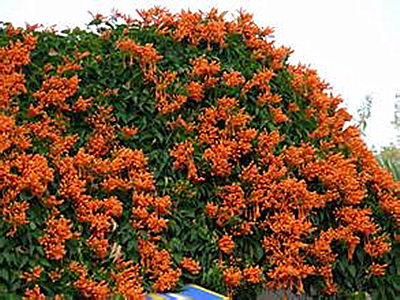
A Detailed Guide to the Correct and Scientific Propagation Methods for the Flame Vine
The flame vine (Pyrostegia venusta) is propagated mainly by cuttings, generally after flowering in spring and summer, and under greenhouse conditions it can be done year-round. For spring cuttings, roots usually begin to form about 3 weeks after insertion. If spring cuttings are planted promptly and given careful tending, they can bloom in the same year. For the cuttings, choose robust, pest-free and disease-free branches.
-

How to carry out scientific management after shiitake mushrooms fruit
How to manage shiitake mushrooms after fruiting
-

A detailed guide to the propagation techniques of Chinese pistache (Pistacia chinensis), teaching you to scientifically cultivate seedlings
Chinese pistache is a sun-loving tree, though it also tolerates slight shade; it prefers warmth and requires deep soil. It has strong sprouting ability, grows slowly, and lives long, but its seedlings are not very cold-resistant and need protection in North China. The plant can withstand low temperatures of -10°C and prefers soil with ample sunlight and good drainage. It can be used for garden shrubs and cut branches.
-

How to Fertilize Water Spinach? A Detailed Guide to Scientific Fertilization Methods
How to Fertilize Water Spinach
-
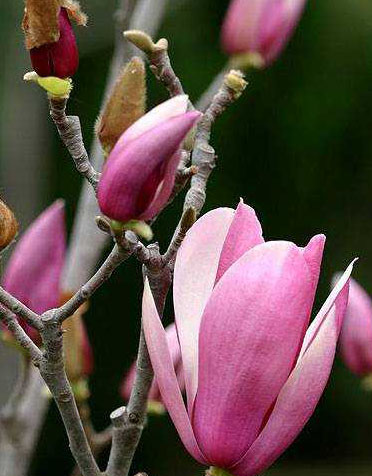
How to plant Magnolia liliiflora? A full analysis of scientific cultivation techniques
1. Soil. You can mix leaf mold and garden soil in equal amounts as the growing medium, and add 50-150 grams of bone meal or NPK compound fertilizer to the soil. The pot should be slightly deeper and larger, and put some broken hard plastic foam blocks at the bottom of the pot to enhance air permeability and drainage and prevent root rot. Repot and change the soil once every year or every other year after flowering
-

How to scientifically control the first generation of the second-brood striped stem borer in single-season rice
Control recommendations 1. For early-sown and early-transplanted single-season rice fields, carry out a full control treatment once from June 20-25, targeting mainly stem borers and small brown planthoppers, and also controlling early-occurring leaf folders and rice thrips. Use 5% fipronil (Regent) suspension concentrate at 40-50 ml/mu, diluted in 30 kg of water for spraying. 2. For fields where rice stripe disease has occurred, on the basis of pulling out and removing diseased plants, promptly apply chemicals to control small brown planthoppers. Use 40% chlorpyrifos (Xinnongbao, Saiben) at 100 ml/mu, diluted in 30 kg of water for spraying, and repeat the treatment after an interval of 5-7 days.
条件筛选