-
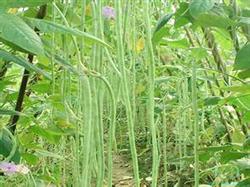
Methods for High-Yield Cowpeas: Scientific Planting and Management Are Key
1. Cowpeas can be direct-sown or raised as seedlings and transplanted; generally, seedling raising and transplanting is practiced, as it can appropriately suppress vegetative growth and promote reproductive growth. Choose good land, apply base fertilizer, water appropriately, use disease-resistant seeds, and treat the seeds with New High Lipid Film. This can repel underground pests and diseases, isolate viral infections, and does not affect germination...
-
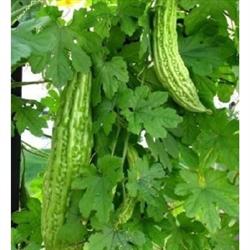
A Complete Guide to Scientific Fertilization Methods for Bitter Melon
High-yield and High-profit Cultivation Techniques for Bitter Melon in Winter-warm Plastic Greenhouses as Protected Cultivation: Choose a winter-warm greenhouse with good lighting and strong insulation as the horticultural facility for off-season bitter melon cultivation. Compared with cucumber, loofah, and zucchini, bitter melon requires relatively higher light intensity and higher temperatures for growth and development, and has poorer tolerance to low temperatures and weak light. Bitter melon...
-
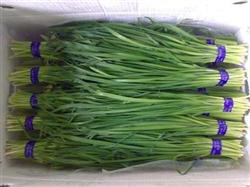
What is the scientific way to harvest garlic chives? A detailed guide to the method
The number of harvests of garlic chives should be appropriate, generally 4-5 times a year, with 2-3 harvests before June in spring. When growing garlic chives in summer, high yields depend mainly on nourishing the roots and letting the plants produce more tillers, so they are generally not harvested, laying the foundation for a high yield in autumn. In autumn, 2-3 harvests are generally possible. If there are too many harvests, the plants will...
-
Detailed Explanation of Cucumber Nutrient Requirements and Scientific Fertilization Techniques
Nutrient Requirements Cucumbers are best grown in loose, fertile soil with good aeration. Heavy clay soil is not conducive to cucumber root development. Soil with high organic matter content can balance the contradiction of cucumber roots being moisture-loving but not waterlogging-tolerant, and fertilizer-loving but not fertilizer-tolerant. The growth cycle of cucumbers is roughly divided into the germination stage, seedling stage, vine elongation stage, and...
-

What to Do During a Mink's Molting Period? A Detailed Guide to Scientific Management
What to Do When a Mink Molts
-

Companion and antagonistic plants: there's a science to it, and these plants can't be grown together
Brain and hands in creative work, listening to the sounds of the night with you! Follow us. When two kinds of plants are grown together, some interesting phenomena often appear: some get along peacefully and thrive together; others are like sworn enemies, and in the end either one side suffers or both are damaged.
-
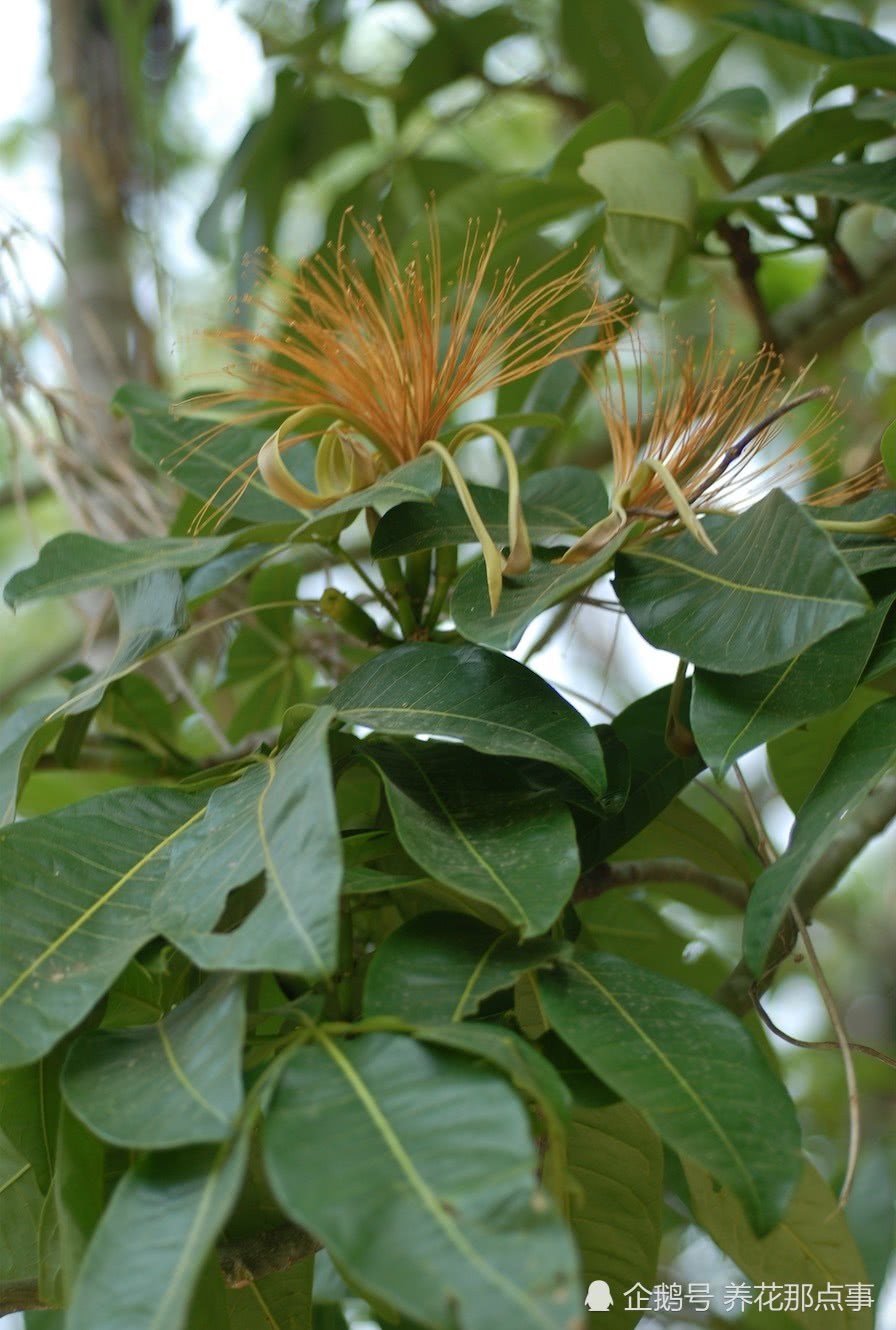
The scientific name of the money tree is Pachira aquatica, and the fruit it produces is edible.
Many people have grown money trees, whether small potted plants on a desk or slightly larger ones one or two meters tall, but many people do not know that money trees can bloom and bear fruit. If you grow a money tree as a small potted plant, then do not even think about it blooming and setting...
-

Scientists Propose a Plant Wall Plan That Purifies the Air and Beautifies the Environment
Recently, according to foreign media reports, scientists plan to turn plants into a green, eco-friendly new type of air monitoring system. Once harmful gases are detected in the air, the plants can alert people to changes in the surrounding gas environment by changing color or emitting fluorescence.
-

Detailed Explanation of Key Points of Scientific Fertilization Techniques for Hawthorn
Key Points of Fertilization Techniques for Hawthorn
-

Detailed Explanation of Key Points of Scientific Fertilization Techniques for Cabbage
Fertilization Techniques for Cabbage
条件筛选