-

What are the technical key points of scientific processing methods for shiitake mushrooms?
1. Sun-drying method: Sun-drying is the most convenient and easy method. The method is: spread the harvested shiitake mushrooms promptly on a sun-facing grain-drying yard or concrete ground. When drying, first place the caps upward and the stems downward, arranging them one by one. After drying until half-dry, turn the stems upward and the caps downward, until they are more than 90% dry. If rainy weather occurs, supplement with fire-powered drying. 2. Oven-drying method: After the shiitake mushrooms are harvested, they should be placed in small baskets, not packed too full to avoid crushing, and should be baked on the same day. The general method is: spread the harvested shiitake mushrooms on drying trays
-
A Complete Analysis of New Techniques for Scientific Silkworm Rearing
The silkworm is a completely metamorphosing silk-spinning insect among polyvoltine poikilothermic animals. Its larva, after 4 molts and 5 instars over 26-28 days, eats more than 20 grams of mulberry leaves in total, then matures, spins silk and cocoons. The cocoon is white, weighing about 1.8-2.3 grams, with a cocoon shell ratio of 20-23%, a silk length of 1000-1400 m and above; silk thickness 2.6-3.2 denier. Usually, rearing 1 sheet of silkworm eggs has 18,000-20,000 silkworms, requires 50-600 kg of mulberry leaves, and can produce 30-40 kg of silkworms. The currently more scientific new rearing techniques are the following five points
-
Complete Guide to Adult Dog Diet Management: A Detailed Explanation of Scientific Feeding Methods
You only need to feed it once a day, let it eat until it is eight-tenths full after a walk, and in less than a year, the puppy has already begun to step into the world of dogs. After 8 months of birth, the number of feedings can be reduced to 2 times a day. For dogs over 1 year old, the number of feedings should be changed to 1 time a day. At this point the dog's physique has grown to be about the same as an adult dog, and its stomach capacity has also increased, so the food it eats in one meal is enough to provide the energy needed for the whole day. In order to maintain the dog's health, the principle of feeding is to let it eat until it is eight-tenths full. The daily feeding time must be fixed. The feeding time can be chosen in the morning or in the evening.
-
Detailed Explanation of Scientific Breeding and Cultivation Techniques for the Fragrant Rose Acacia
The fragrant rose acacia (Robinia pseudoacacia 'Idaho') is a deciduous tree in the Fabaceae (Papilionaceae) family, native to Spain. The tree reaches 10-12 cm in height and blooms twice a year, in May and July. Its flowers are brightly colored, abundant and large, hanging in long cascading clusters, with high ornamental value and a long flowering period. It is a prized choice for landscaping in cities, along roads, and in scenic areas, and is the top recommended fast-growing ornamental tree for landscaping. The fragrant rose acacia is a rare fragrant landscaping tree species. It is cold-tolerant, drought-tolerant, tolerant of poor soils and saline-alkaline conditions, with a well-developed root system, rapid growth, and wide adaptability. It can be widely used for urban and rural beautification, greening of barren hills, and more, and holds great
-
Detailed Explanation of Key Points for Scientific Feeding and Management of Nursery Pigs
1. Suckling piglets. After birth, ensure every piglet can consume enough colostrum, which can improve immunity, enhance disease resistance, and reduce the occurrence of diseases. The temperature of the lying area for newborn piglets is required to be 35-37°C, then decrease by 2-3°C each week, with the activity area temperature at 20-24°C. On the 2nd day after birth, use high-quality iron supplements to inject 100-150 mg of iron intramuscularly per piglet. According to the actual situation of the farm, 2-3 days before the onset of diarrhea in piglets, inject long-acting
-
How to reasonably choose a scientific formula for oyster mushroom cultivation?
Oyster mushrooms have low requirements for raw materials, and many industrial and agricultural by-products can be used as raw materials. However, whether the carbon-to-nitrogen ratio in the growing medium is scientific and whether the amounts of other supplementary materials added are reasonable are issues that cannot be ignored in oyster mushroom production. At present, bag-cultivated oyster mushrooms mainly use cottonseed hulls as the raw material, so the quality of the cottonseed hulls directly affects the level of oyster mushroom yield and even whether cultivation can succeed. Fresh, high-quality cottonseed hulls should be selected; if moldy and deteriorated cottonseed hulls are used, it will cause contamination by weed molds and may even lead to cultivation failure. Pesticides or other
-
How to fertilize cotton scientifically? Remember these seven key points
1. Base the fertilization mainly on organic fertilizer and apply sufficient base fertilizer. When preparing the soil, promptly spray a disinfectant plus 800-fold Xingaozhimo solution to disinfect the soil, and apply sufficient base fertilizer, applying 2000-3000 kg of farmyard manure per mu, to improve the root system's ability to absorb nutrients, activate the soil, prevent compaction, and maintain the ecological balance in the rhizosphere. 2. Reduce the application of diammonium phosphate. Nitrogen, phosphorus, and potassium ternary compound fertilizer should be used, or 40 kg of a 15-15-15 nitrogen, phosphorus, and potassium compound fertilizer can be used as base fertilizer. When using compound fertilizer, combine it with spraying
-
How to fertilize cotton for high yields? Scientific fertilization methods shared
In cotton cultivation, it is common that plenty of fertilizer is applied, yet cotton yields decline instead. This is because farmers do not understand the fertilizer requirements of cotton and fertilize irrationally, which not only wastes fertilizer but also causes low cotton yields and poor quality. Cotton farmers should grasp the following key points in fertilization: 1. Choose the right fertilizer types: on the basis of applying nitrogen fertilizer well, increase the amount of phosphorus and potassium fertilizer to enhance cotton's disease resistance, prevent premature aging in the late stage, and increase cotton yields. 2. Determine a reasonable fertilization amount: it is best to combine this with soil testing and formula fertilization technology,
-
What to do about cotton bud and boll shedding? Scientific fertilization can reduce it
The incoordination between the vegetative growth (growth of roots, stems and leaves) and reproductive growth (growth of buds, bolls and lint) of cotton causes an imbalance in the supply, transport and distribution of photosynthetic products within the cotton plant, which is an important cause of cotton bud and boll shedding. Through comprehensive measures centered on fertilization, controlling cotton growth is an important means of reducing cotton bud and boll shedding. Practice has proved that controlling stem and leaf growth in the early stage of cotton, building a good high-yield framework in the middle stage so that it grows steadily, and preventing premature senescence in the late stage are effective ways to reduce shedding of middle and lower buds and bolls. Therefore, in addition to rational close planting and strengthened water
-
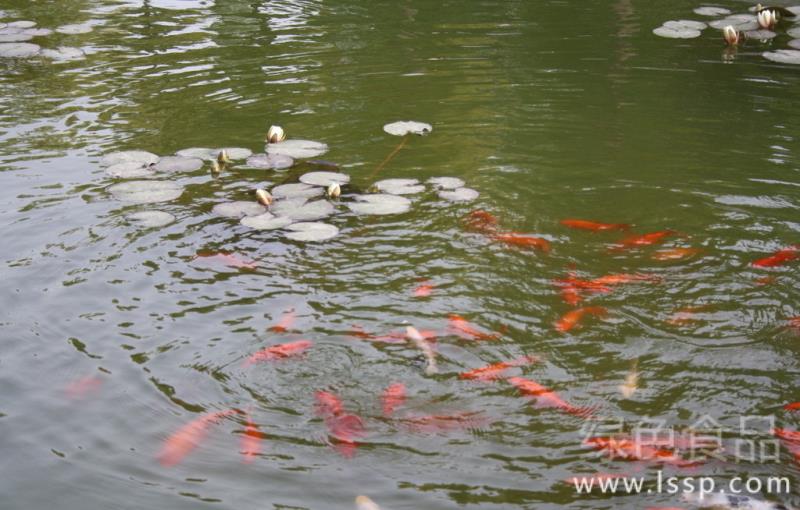
How to scientifically manage fish ponds when diseases break out frequently under high summer temperatures
How to manage fish ponds well in summer when diseases break out frequently under high temperatures
条件筛选