-

Can Phalaenopsis aerial roots be buried in sphagnum moss without being prone to dying?
Those aerial roots that Phalaenopsis sends out from beside its leaves - can they actually be buried in sphagnum moss? It always feels awkward to just let them dangle outside, but I'm also afraid that burying them might end up killing the plant. First, you need to understand that Phalaenopsis aerial roots are not ordinary roots. If you look closely, you'll find that most of them are green or
-

What color are Phalaenopsis roots, and what happens without ventilation?
In the gardening community, Phalaenopsis (moth orchid) has won the affection of a large group of flower lovers with its elegant posture and colorful blooms. But did you know? Phalaenopsis actually hides a few little secrets related to health, and that is its green roots. When it comes to care, don't underestimate these green roots, for they are a sign of the Phalaenopsis's vitality.
-

Analysis of the Causes of Roots Without Shoots in Corn Planting
In recent years, many farmers have reported the phenomenon of roots without shoots. This phenomenon generally involves well-developed roots but no shoot, or just a tiny tip emerging that then stops growing. Why exactly does this happen? What causes it? How should it be
-
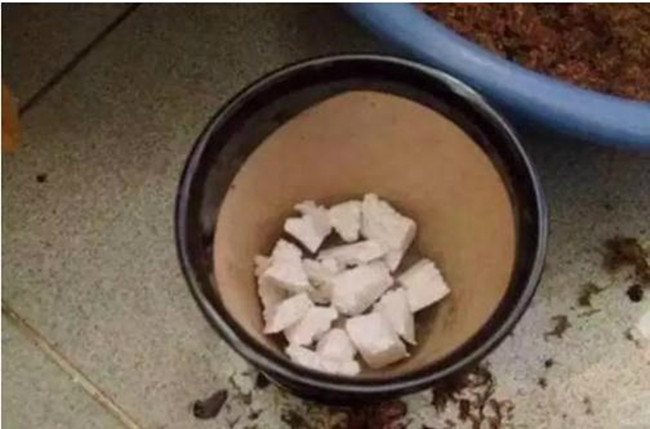
Using foam at the bottom of the pot for pothos: can it make roots strong and the pot overflow without root rot?
Pothos is found in many people's homes and is super easy to grow, usually in water. So can foam be used at the bottom of the pot for pothos? When we buy home appliances, there is a lot of foam padding inside. Cut the large pieces of foam into small pieces with scissors and place them at the bottom of the pot for pothos.
-
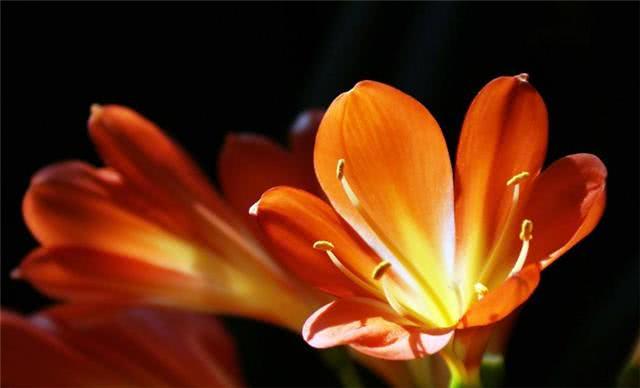
Do these three things when repotting and changing the soil of your flowers, and the roots will grow strong without rotting
Autumn is a good season for repotting, because when the weather is hot, plant growth slows down and repotted plants are less likely to survive, so repotting is generally done in autumn and spring. Only when the potting soil is changed properly can flowers grow well. Repotting tips include...
-

The formation of orchid dragon roots and seedling cultivation methods - those without patience should not attempt this lightly
Orchid seeds have very high environmental requirements, and generally very few people use seeds to cultivate orchid seedlings. A single orchid seed pod contains tens of millions of seeds, yet when scattered in the mountains, only a very small number of orchid seedlings survive - this shows just how difficult it is. If the questioner...
-
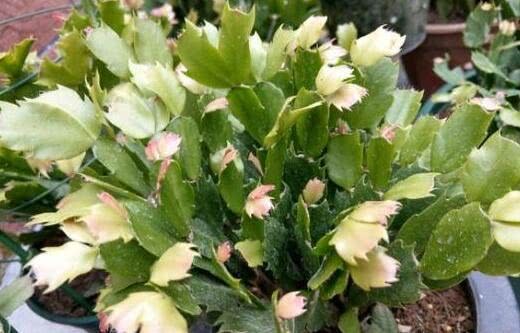
Propagating Christmas cactus by cuttings in autumn: use this and it grows big white roots in ten days without rotting
When it comes to the Christmas cactus, I believe gardening friends are all familiar with it. It has thick, fleshy leaves and belongs to the cactus family, but it is not a true cactus. Its flowers are bright in color and bloom at the tips of the leaves. Its normal flowering season is in winter...
-
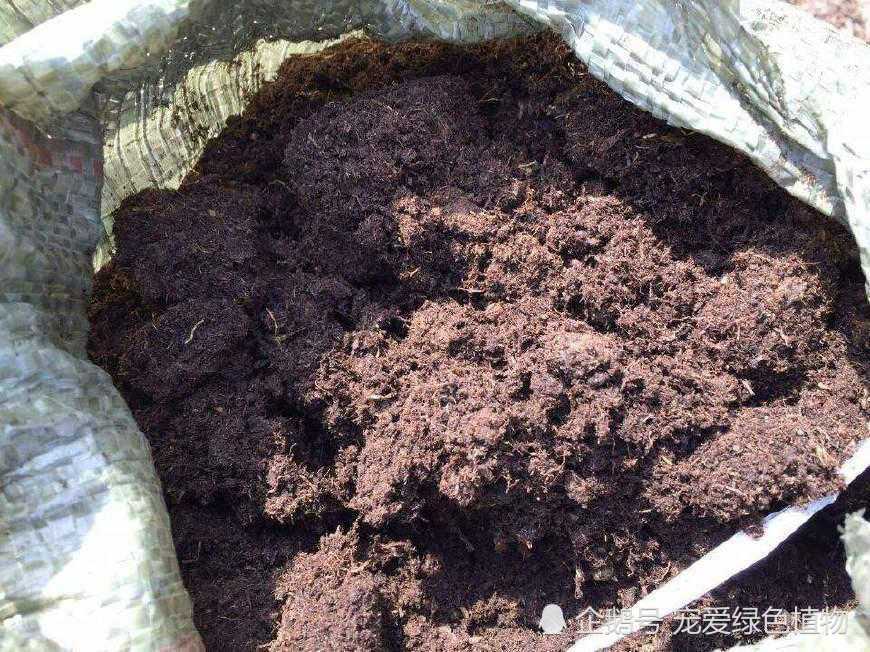
Grow clivia with this kind of soil, and its roots will be thick and its leaves green; the effect is still very good without fertilizing for half a year.
Grow clivia with this kind of "soil", and its roots will be thick and its leaves green; you can go "half a year" without fertilizing, and the effect is amazing! In flower care, which condition is the most important? There may be no single answer. Watering, fertilizing, light, ventilation, every one of these...
-
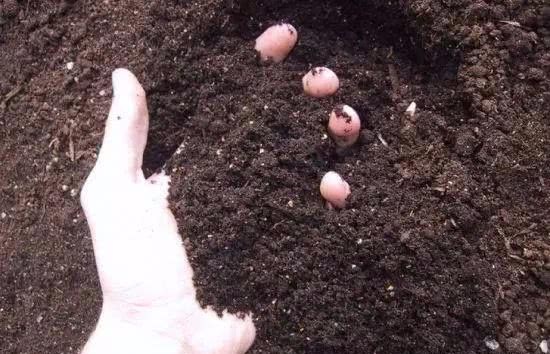
What to do when potting soil becomes compacted? One trick to keep roots strong and leaves green without repotting
After growing flowers for a long time, you will inevitably run into the problem of compacted potting soil. For small potted plants, never mind, repotting with fresh soil is relatively convenient. But what about large potted plants? Repotting with fresh soil is really laborious. Is there any method that lets us be lazy, skip repotting, and still...
-
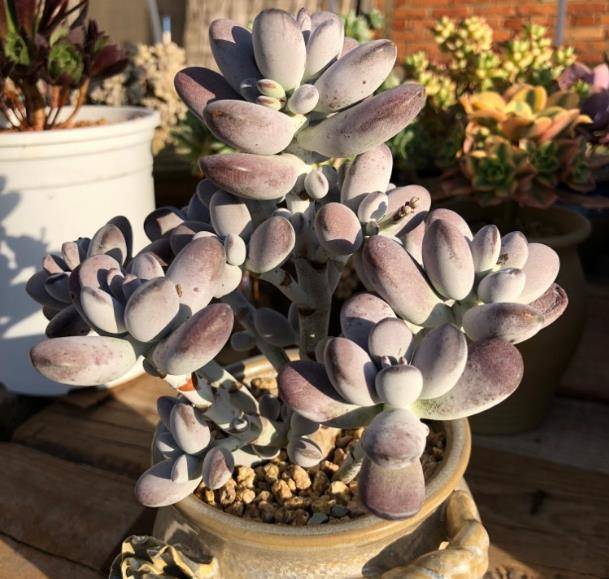
Put these granules at the bottom of a succulent pot, and new roots will grow fast without root rot
To ensure the soil has good drainage, you must put some large granules at the bottom of the pot, such as the widely used expanded clay pebbles, broken bricks and tiles, nut shells, etc. In addition, whether you are repotting or have just bought a succulent, be sure to...
条件筛选