Grow clivia with this kind of soil, and its roots will be thick and its leaves green; the effect is still very good without fertilizing for half a year.
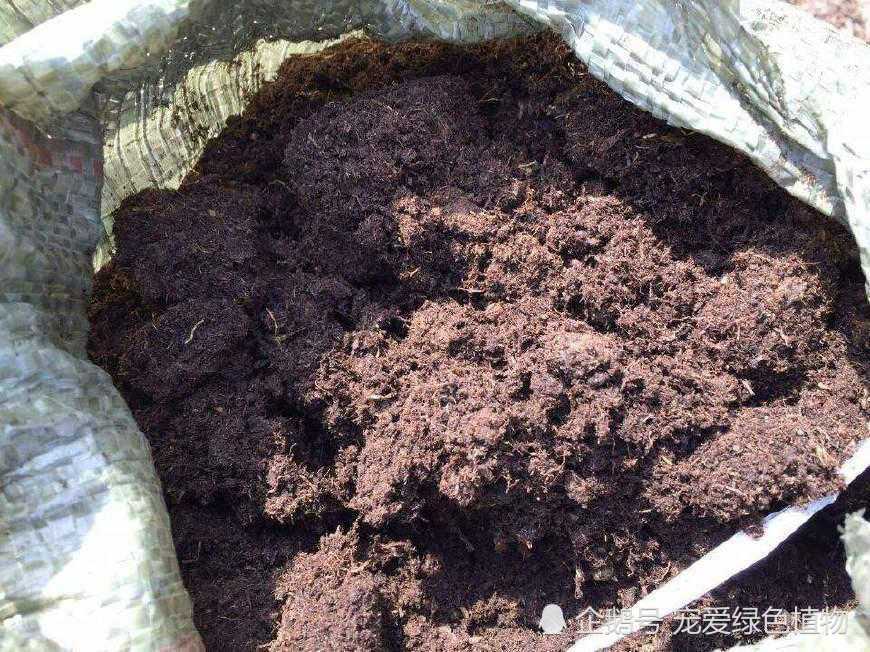
Grow clivia with this kind of "soil", and its roots will be thick and its leaves green; you can go "half a year" without fertilizing, and the effect is amazing!
In flower care, which condition is the most important? There may be no single answer. Watering, fertilizing, light, ventilation, none of these can be ignored. In fact, besides the 4 points mentioned above, there is another detail that cannot be ignored, and that is "nutrient soil". The value of the soil determines whether the root system is sturdy, and also determines whether the plant can flourish with lush branches and leaves.
This kind of soil is not leaf mold, but peat soil with sun-dried barnyard manure added, and then some chopped straw mixed in. Why does everyone say it is so good for growing flowers?
To put it plainly, it is still because this kind of potting soil is loose, fertile, breathable and nutritious. Peat soil itself contains quite a lot of humus, which is good for the growth of potted flowers. And the sun-dried barnyard manure is genuine organic fertilizer; adding it in works better than any kind of special flower fertilizer on the market. Moreover, when this barnyard manure is used as a base fertilizer, potted flowers can go half a year without additional fertilizing in the pot and still be fine.
Adding some crushed straw to this soil will make the soil even looser, and it also has a certain heat-preserving performance. Especially when the weather turns cold, the effect of the straw becomes prominent.
Compared with leaf mold, this kind of nutrient soil is the most useful all-purpose soil for flowers. Use it to grow flowers, whether clivia, spider plant, pothos or other flowers, and they will all grow more and more vigorously. You see, after the clivia above was cared for for a long time, its root system grew so much that it burst out of the pot, and as a surprise, the clivia also grew many small "shoots"; the small shoots can be divided off to propagate many pots of clivia.
If repotting is not done at the right time, it will have a negative effect. When changing to new nutrient soil, pay attention to the following points. First: stop watering. Before changing the soil for flowers, stop watering for three days first. Otherwise, after watering, the root system will stick to the soil and be hard to change.
Second: the time for repotting and changing soil. It is recommended to repot and change soil in spring and autumn each year. And right now, August and September are also a good time, very suitable for changing to new soil.