Using foam at the bottom of the pot for pothos: can it make roots strong and the pot overflow without root rot?
Pothos is found in many people's homes and is super easy to grow, usually in water. So can foam be used at the bottom of the pot for pothos?
When we buy home appliances, there is a lot of foam padding inside. Cut the large pieces of foam into small pieces with scissors and place them at the bottom of the pot for pothos, so the pothos will not be afraid of freezing no matter how cold the winter gets.
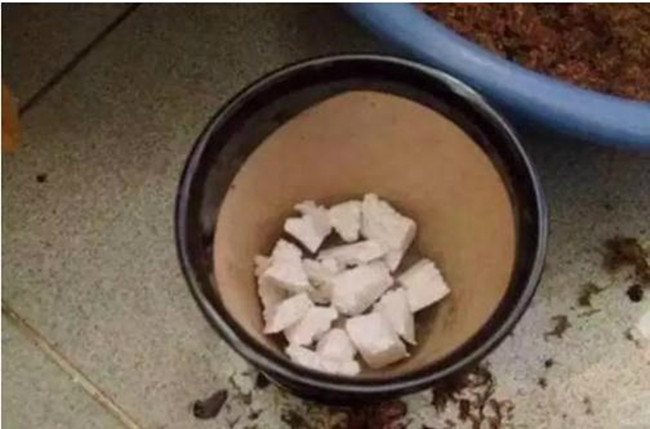
Using foam at the bottom of the pot for pothos improves water drainage and air permeability, but foam contains no nutrients. Therefore, growers need to regularly water the pothos with organic nutrient solution, diluted 500 times with water, once a week. The pothos roots absorb it well and grow long vines rapidly.
At this time, when repotting the pothos and changing the soil, add small pieces of foam, with the amount placed not exceeding 1/5 of the flower pot, then cover with soil. Break up the foam pieces and use them for the pothos; the ventilation and air permeability are truly great.
In addition, there is one more benefit of using foam at the bottom of the pothos pot: foam is very light, and placing it at the bottom of the pot makes it light and airy, and it can also improve the drainage and air permeability of the soil in the pot, making the pothos less prone to root rot; as long as care ensures sufficient water and nutrients, the pothos will have strong roots and fill the pot, and growing long vines will be easy.
To ensure sufficient water and nutrients for the pothos, you can use an organic nutrient solution fermented purely from plants, fermented from sugarcane stalks, following the same principle as fermenting leaves and rice straw in rural areas. It is rich in nitrogen, phosphorus and potassium, and after using it, the pothos will rapidly send out long vines.
In winter, for the pothos to survive the winter safely, the indoor temperature must be above 10°C, and it must also be ensured that the temperature difference between day and night is not too large. Using foam at the bottom of the pothos pot has a heat-preserving and warming effect. Even if the winter temperature keeps dropping, it can protect the pothos roots from freezing injury.
Also, foam is especially convenient and easy to find. If you do not have any at home, take a walk outside and pick some up to use for the pothos. This winter, you will not have to fear your beloved pothos getting frozen.
Pothos can indeed be lined at the bottom with foam. Does it not feel quite practical?
Root rot in potted plants: soil mixing and repotting are very important
Sometimes root rot in plants cannot be blamed solely on watering too frequently. Sometimes, for the same plant, if the soil it is planted in is different, the watering frequency must also change. If pothos is planted in sandy soil, it can be watered once every 3 days; if planted in garden soil, it needs 5~7 days before watering.
Soil requirements of potted plants1. Spider plantSpider plant is a relatively drought-tolerant and waterlogging-tolerant plant, but it cannot withstand long-term water accumulation in the pot soil. Therefore, the soil mix for spider plant must be loose, airy and well-draining. In a warm environment, keep the soil slightly moist without water accumulation. If the soil becomes compacted, loosen the soil or repot promptly. It is not very picky about soil, and ordinary garden soil mixed with river sand can also make it grow quite well.
Like the spider plant in the pot below, if it is not repotted in time, it will have no room to grow, and water accumulation and root rot will easily occur.
Huahua suggests laying broken tiles, stones, coal cinder and other large-particle materials at the bottom of the flower pot,
then laying a layer of river sand on top; the kind from a construction site can be used.
Only on the topmost layer should nutrient soil be placed. For the nutrient soil, you can choose humus soil, or a mix of humus soil and peat soil.
2. Money treeMoney tree is a relatively easy plant to care for. The key is to water less, keep the light bright, keep the environment ventilated, and prevent water accumulation in the pot soil. Too much watering will cause root rot, and once the stem becomes soft, it cannot be saved.
The potted money tree shown below is the most common kind, with a layer of plastic grass spread on top of the soil. This is actually not good for plant growth, and you cannot tell whether the soil is dry or not, so it is not practical. When growing a money tree in winter, keep the soil slightly dry.
For the soil mix, you can directly use leaf mold + garden soil + river sand in a ratio of 5:3:2. You can place broken tiles at the bottom of the pot and spread some ceramsite on top; the decorative effect is not bad either.
3. CliviaThe roots and stems of Clivia, as shown in the picture below, are swollen fleshy roots. Too much watering easily causes root rot. When growing Clivia in winter, keep the soil slightly dry and water only after the pot soil has dried completely.
If you want Clivia to grow well, it is best to use leaf mold mixed with river sand, and some sawdust can be mixed in. The ratio is leaf mold + river sand at 7:3. Place broken tiles at the bottom of the pot, and you can put a little decomposed cake fertilizer under the pot soil as a base fertilizer. In this way, Clivia will grow large flowers and bright leaves.
4. OrchidOrchids like loose, airy and well-draining soil. In addition to choosing a relatively breathable clay pot, you also need to choose soil that is loose and rich in humus.
You can see that the orchid below is growing well. In addition to mixing some granular stones into the soil, some broken plastic foam was also placed at the bottom of the pot. The drainage and air permeability are very good, except that its water retention is relatively poor.
Using plastic foam instead of broken tiles is a newly thought-up technique. Unexpectedly, the effect is quite good, and it further ensures that the orchid is less prone to root rot.
5. SucculentsWhen many friends first start growing succulents, they think they should water right after planting, which is completely wrong. The leaves of succulents are full of water, especially succulents just bought online (do not buy online in regions below 0°C in winter), and the roots have withered. At this time, you need to cut off the withered roots, let them dry in a shaded and ventilated place for 1~2 days, then pot them in slightly moist soil (peat soil + perlite mixed 1:1), and afterward wait until the pot soil is completely dry before watering.
Some volcanic stone or other granular stones can be placed under the soil, and some can also be spread on top. For older succulents, some granular stones can be mixed into the soil (including: akadama soil, kanuma soil, river sand, maifan stone, etc.). Before cultivating in the medium, it can first be soaked once in carbendazim solution.
This ensures that your succulents will grow in good condition in the future and rarely suffer from pest or disease infestation.
What to do about root rot in potted plants: soil mixing and repotting tips for prevention and control
Sometimes root rot in potted plants cannot be blamed solely on watering too frequently. Sometimes, for the same plant, if the soil it is planted in is different, the watering frequency must also change. If pothos is planted in sandy soil, it can be watered once every 3 days; if planted in garden soil, it needs 5~7 days before watering.
Soil requirements of different plants1. Root rot in potted plants: spider plantSpider plant is a relatively drought-tolerant and waterlogging-tolerant plant, but it cannot withstand long-term water accumulation in the pot soil. Therefore, the soil mix for spider plant must be loose, airy and well-draining. In a warm environment, keep the soil slightly moist without water accumulation. If the soil becomes compacted, loosen the soil or repot promptly. It is not very picky about soil, and ordinary garden soil mixed with river sand can also make it grow quite well.
Like the spider plant in the pot below, if it is not repotted in time, it will have no room to grow, and water accumulation and root rot will easily occur.
It is suggested to lay broken tiles, stones, coal cinder and other large-particle materials at the bottom of the flower pot,
then lay a layer of river sand on top; the kind from a construction site can be used. Only on the topmost layer should nutrient soil be placed. For the nutrient soil, you can choose humus soil, or a mix of humus soil and peat soil.
2. Root rot in potted plants: money treeMoney tree is a relatively easy plant to care for. The key is to water less, keep the light bright, keep the environment ventilated, and prevent water accumulation in the pot soil. Too much watering will cause root rot, and once the stem becomes soft, it cannot be saved.
The potted money tree shown below is the most common kind, with a layer of plastic grass spread on top of the soil. This is actually not good for plant growth, and you cannot tell whether the soil is dry or not, so it is not practical. When growing a money tree in winter, keep the soil slightly dry.
Soil mix: you can directly use leaf mold + garden soil + river sand in a ratio of 5:3:2. You can place broken tiles at the bottom of the pot and spread some ceramsite on top; the decorative effect is not bad either.
3. Root rot in potted plants: CliviaThe roots and stems of Clivia, as shown in the picture below, are swollen fleshy roots. Too much watering easily causes root rot. When growing Clivia in winter, keep the soil slightly dry and water only after the pot soil has dried completely.
If you want Clivia to grow well, it is best to use leaf mold mixed with river sand, and some sawdust can be mixed in. The ratio is leaf mold + river sand at 7:3. Place broken tiles at the bottom of the pot, and you can put a little decomposed cake fertilizer under the pot soil as a base fertilizer. In this way, Clivia will grow large flowers and bright leaves.
Root rot in potted plants: 4. OrchidOrchids like loose, airy and well-draining soil. In addition to choosing a relatively breathable clay pot, you also need to choose soil that is loose and rich in humus.
You can see that the orchid below is growing well. In addition to mixing some granular stones into the soil, some broken plastic foam was also placed at the bottom of the pot. The drainage and air permeability are very good, except that its water retention is relatively poor.
Using plastic foam instead of broken tiles is a newly thought-up technique. Unexpectedly, the effect is quite good, and it further ensures that the orchid is less prone to root rot.
5. Root rot in potted plants: succulentsWhen many friends first start growing succulents, they think they should water right after planting, which is completely wrong. The leaves of succulents are full of water, especially succulents just bought online (do not buy online in regions below 0°C in winter), and the roots have withered. At this time, you need to cut off the withered roots, let them dry in a shaded and ventilated place for 1~2 days, then pot them in slightly moist soil (peat soil + perlite mixed 1:1), and afterward wait until the pot soil is completely dry before watering.
Some volcanic stone or other granular stones can be placed under the soil, and some can also be spread on top. For older succulents, some granular stones can be mixed into the soil (including: akadama soil, kanuma soil, river sand, maifan stone, etc.). Before cultivating in the medium, it can first be soaked once in carbendazim solution. This ensures that your succulents will grow in good condition in the future and rarely suffer from pest or disease infestation.