-

Control methods for pests that feed at the door in spring on jujube trees
Autumn management of young jujube orchards mainly involves controlling fertilizer and water, strengthening loosening of the soil, promoting continuous thickening and lignification of the trunk, and creating good conditions for young trees to overwinter. The key technical points for autumn management of young trees are summarized as follows: Control irrigation. Jujube trees are drought-tolerant, prefer warmth, sprout late, and shed leaves early. Young trees should be watered appropriately, with the basic principle...
-

How to prevent and control jujube tree rust disease? Mastering integrated control techniques is key
Jujube rust disease, also known as jujube mist, often causes massive leaf drop during the fruit expansion stage. Diseased trees produce shriveled jujube fruits with reduced sugar content in the flesh, most of which are inedible. Due to the damage caused by rust disease, serious yield reductions occur, variety quality deteriorates, and farmers' economic income is directly affected. Severely diseased trees that drop leaves early will sprout a second time, affecting the...
-
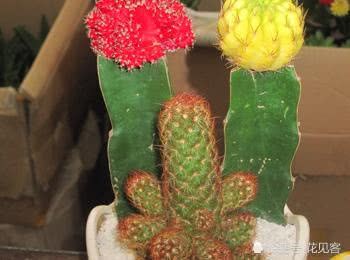
How to fertilize succulents to make them plump? Mastering these tips is all it takes
In recent years, more and more people have grown fonder of succulents. Their leaves are thick and plump, extremely cute, and the plants are small and delicate, with great ornamental value. Cacti, Aeonium 'Zwartkop' (black mage), and Cotyledon tomentosa (bear's paw) are among the more common ones, and are also relatively popular with flower lovers...
-
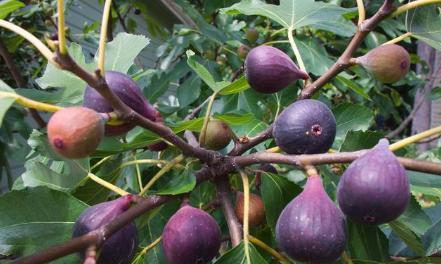
Figs cool you down and relieve summer heat without causing internal heat, and during the dog days of summer, when you cannot finish them all, you can also dry them into fruit leather.
Many people enjoy eating figs, though some do not, because figs have a distinctive aroma that some people cannot stand. I myself quite like eating figs. We also planted one in the yard back home...
-

Garlic prices continue to fall, and storing it for sale next year is expected to yield poor returns
How were the returns on stored garlic in 2018? It should be said that they were still not up to much, and last year's situation gives us a rough reference point for this year. Of course, the prices of garlic stored in autumn 2017 were generally on the high side, and the later decline in garlic prices led to...
-
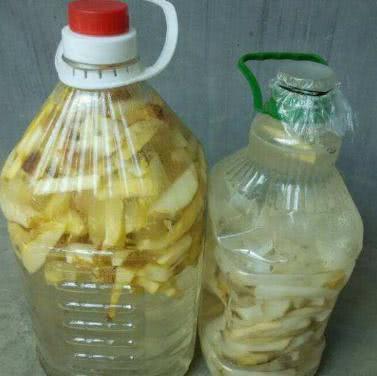
Spider plant leaves are lush and green, all thanks to watering it with this
Spider plant (Chlorophytum comosum) is a commonly kept foliage plant at home. It stays green all year round, and whether placed in the living room or on the balcony, it brings great ornamental value. Overall, spider plant is fairly easy to care for, provided you have grasped its growth characteristics...
-
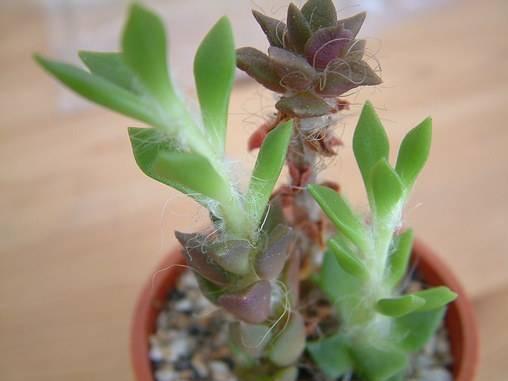
Can a leggy succulent still be saved? Sharing practical remedies
Seeing a succulent grow leggy is truly a sad thing, just like a beautiful young lady from a distinguished family who, in less than two months, has fallen to the level of a roadside beggar, not only growing thin and tall, but also with leaves that are neither plump nor green, the whole thing is just...
-
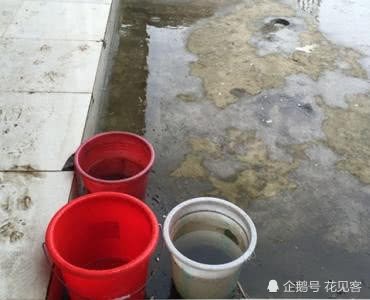
Use these 3 kinds of water for your plants: leaves turn so green they glisten, the flowering period is extended by a month, and leaves won't turn yellow for ten years
As people's quality of life keeps improving, more and more people are starting to grow flowers, for viewing, for cultivating their character, for purifying the air, and so on. And what you can't do without when growing flowers is watering. Many gardening enthusiasts usually just use tap water to water their plants, but actually...
-

Want your Christmas cactus to bloom? These few little tips will keep it flowering nonstop
There are many reasons a Christmas cactus won't bloom: if it's caused by too much light, it needs to receive light for only a short time, and on scorching days shade measures must be taken. If it's caused by temperatures that are too low, give it a growing environment of 15-25°C, and when temperatures drop too low, take...
-
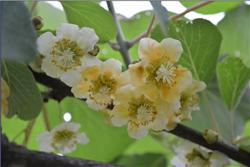
What are the key technical points for kiwifruit management after flowering?
The 40 days after kiwifruit flowers fall are a critical period for kiwifruit management. The fruit expands rapidly and requires large amounts of nutrients and water. 1. Fertilization: after the flowers fall, in mid-May, apply urea, diammonium phosphate, potassium chloride or a three-element compound fertilizer in a timely manner. For a full-bearing orchard, apply 20 kg of urea, 15 kg of diammonium phosphate, and 20 kg of potassium chloride per mu. The fertilization method is broadcasting followed by intertillage.
条件筛选