Spider plant leaves are lush and green, all thanks to watering it with this
Spider plant (Chlorophytum comosum) is a commonly kept foliage plant at home. It stays green all year round, and whether placed in the living room or on the balcony, it brings great ornamental value. Overall, spider plant is fairly easy to care for, provided you have grasped its growth characteristics and figured out a few care tips for it.
If you want spider plant leaves to stay lush and green all year round, you still have to put in some effort. Next, let me share a little trick for growing spider plant with fellow plant lovers. Water "it" into the spider plant's pot, and not only will the roots not rot, but the leaves won't turn yellow either.
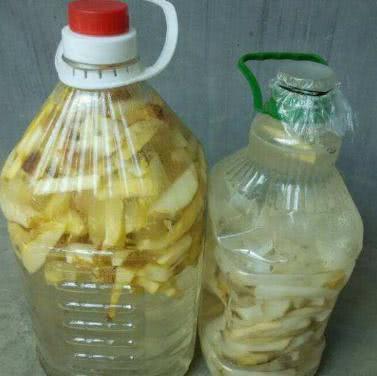
"It" is the "fruit peel enzyme" made from fruit peels from daily life.
Whether it's apple peels, banana peels or watermelon rinds, once made into enzyme, the liquid is a genuine flower fertilizer when used to water spider plant. Why do I say that? Because fruit peels contain a large amount of potassium and phosphorus elements and some pesticide residues; after fermenting in a sealed mineral water bucket, they break down into very beneficial nutrients. At this point it is perfect for watering flowers, making potted flowers greener with thriving roots.
Making fruit peel enzyme is also very simple. Collect the fruit peels left over from daily life, put them all into a bucket, then fill it with water and screw on the lid. Don't screw the lid on too tightly, then leave it under the balcony for about two weeks, and fermentation is complete. Some people say fermenting this way produces a lot of odor. Don't worry, you can put some orange peels into the bucket. In addition, when using the fermented liquid to water spider plant, remember to dilute it first.
Besides using this enzyme to water spider plant, you can also dilute it with water and wipe the spider plant's leaves. Everyone knows spider plant is called a natural plant purifier, with a strong ability to absorb harmful gases and dust. If the leaves are not wiped for a long time, they will be covered with dust and lose their lush green luster.
In the process of caring for spider plant, the importance of watering goes without saying. Spider plant likes a warm and humid environment, so it's best to spray water every day, in the morning or evening. Water it once every other day.
"Growing flowers is three parts fertilizer and seven parts water." Having covered watering, let me share spider plant fertilization. Spider plant rather likes fertilizer, especially thin cake fertilizer water. Every month, apply some soybean fertilizer water to the spider plant. The specific method: soak soybeans, cook them, then seal them in a container filled with water, place in the sun for two weeks and fermentation is complete. Take out the soybeans and bury them in the spider plant's potting soil. The filtered liquid can be used directly to water the flowers.
Quite a few plant lovers ask, what should be done when spider plant leaves turn yellow? First you should check whether you haven't followed its growth habits, for example whether there is enough light, whether ventilation is smooth, and whether watering and fertilizing are appropriate. If you did something wrong, change it quickly, and at this point, go buy some potassium dihydrogen phosphate powder, dissolve it in water, and spray a little on the yellowing leaves every three days; this way you can stop the yellow leaves from spreading.
That's all for sharing about spider plant care. Thanks for reading!
Remember to like and share~