How to fertilize succulents to make them plump? Mastering these tips is all it takes
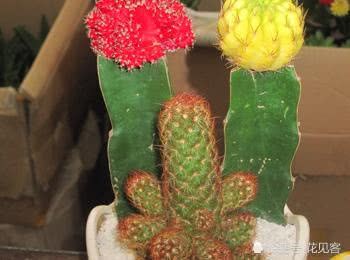
In recent years, more and more people have grown fonder of succulents. Their leaves are thick and plump, extremely cute, and the plants are small and delicate, with great ornamental value.
Cacti, Aeonium 'Zwartkop', and Cotyledon tomentosa are among the more common succulents, and are also relatively popular with flower lovers. In their care, fertilizing involves a lot of know-how; master these tips and they will be plump and super cute!
First, we need to know that succulents' requirements are roughly these 3: it must be completely decomposed, it must not contain too much salt, and it should be mainly phosphorus and potassium fertilizer, with nitrogen fertilizer as a supplement. Once you understand these, by controlling the amount and timing when fertilizing, you can make succulents grow very well.
Most succulents do not grow very fast, and you also need to prevent leggy growth, which lowers their ornamental value. So when fertilizing, base fertilizer is the main thing; you can directly bury decomposed soybean cake fertilizer, soybean residue, bone meal, etc. The amount each time should not be large; just dig 3-5 small holes around the edge of the flower pot, and put a small spoonful into each small hole.
During the peak growing season, you can apply some diluted liquid fertilizer, such as fish intestine water, 2-3 times a month. When fertilizing Aeonium 'Zwartkop' and Cotyledon tomentosa, do not pour it onto the head; pour it slowly in from the edge of the pot, and stop when you get near the head. The next day, water once with clean water to dilute the fertilizer so the roots can absorb it better.
In summer, cacti, Aeonium 'Zwartkop', and Cotyledon tomentosa grow slowly, and most enter a semi-dormant or dormant period. It is best to stop fertilizing; you can sprinkle some plant ash into the potting soil. Plant ash contains a large amount of potassium, which can enhance succulents' resistance and effectively prevent various pests and diseases, helping them get through summer better.
That is all for the introduction to fertilizing succulents. If flower lovers have other additions, you can share them with everyone in the comment section below. If you want to learn more about flower-growing knowledge, you can follow Huajianke!