-
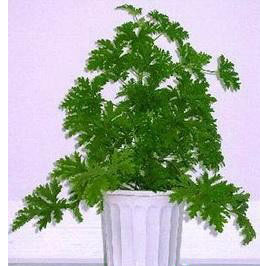
Is mosquito-repellent plant harmful to humans? Introduction to proper cultivation methods
Mosquito-repellent scented geranium is a perennial herbaceous plant. After receiving sunlight and water, it has strong vitality. Normal cultivation has certain requirements for the ambient temperature. Its survival temperature is above zero degrees. The higher the temperature, the more fragrance molecules it releases. In summer, when mosquitoes breed in large numbers, the temperature is also at its highest.
-
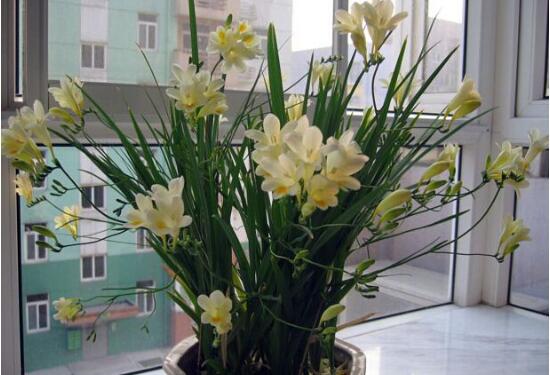
Tuberose Benefits and Uses: Ornamental and Medicinal, and Its Fragrance Repels Mosquitoes
Tuberose, also known as night-blooming jasmine and moonflower, is a beautiful flower that blooms at night. Its flower shape is beautiful, and its fragrance can repel mosquitoes, making it deeply loved by flower enthusiasts. In daily life, many people keep a pot of tuberose at home for the sake of its beauty. However, if it were only beautiful, you would be underestimating tuberose too much.
-
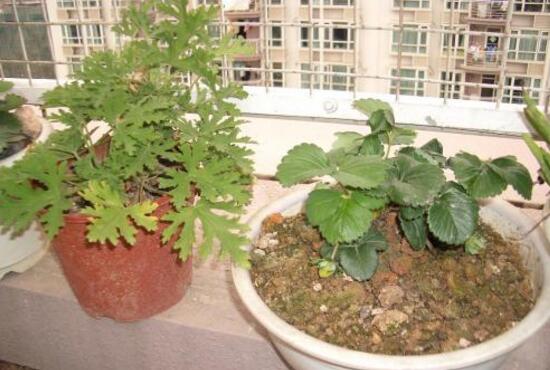
How to propagate the mosquito-repellent plant? Illustrated guide to the two methods: cuttings and sowing
The benefits of the mosquito-repellent plant are clear from its name: it can repel mosquitoes, and its emerald-green leaves also have a fine ornamental effect. Such a plant naturally makes countless people grow it in pots, so mass propagation of the mosquito-repellent plant is imperative. So how do you propagate the mosquito-repellent plant? Below is an illustrated guide to the propagation methods of the mosquito-repellent plant
-
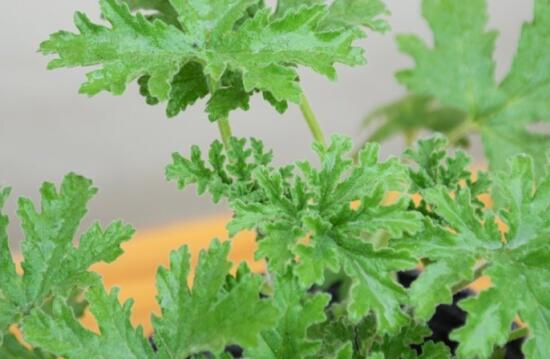
What to Do When Mosquito Repellent Plant Has Bugs? Pest and Disease Control and Swallowtail Butterfly Elimination Methods
Every summer, many people keep a few pots of mosquito repellent plant at home, because with it, there is no need to worry about mosquitoes daring to come near! However, the mosquito repellent plant cannot repel all insects, and if it is not cared for properly, it can also be attacked by pests and diseases. So what should you do when the mosquito repellent plant has bugs
-
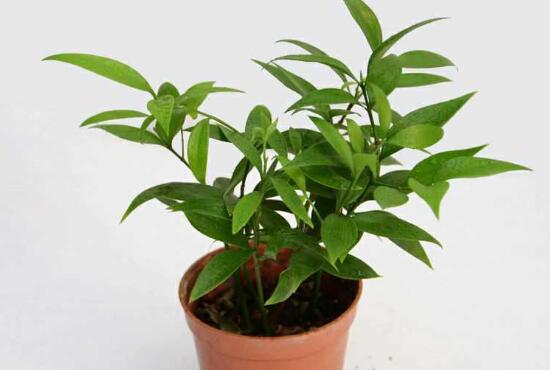
Podocarpus nagi benefits and uses: lush green foliage with strong ornamental appeal, repels mosquitoes and resists pollution
Gardeners are certainly familiar with Podocarpus nagi; it is very common as a household potted plant and is a very beautiful ornamental flowering plant, not only with many varieties but also with extremely rich flower colors, deeply loved by gardening enthusiasts. To understand a plant, you can start with its benefits, so what are the benefits and uses of Podocarpus nagi
-

-
Detailed explanation of the sowing method for mosquito-repellent plant seeds
1. Seed selection and seedling raising: In early March, the seeds can be sown into clean fine sandy soil at a depth of 3 cm. Then wait 4 hours before watering, and be sure to water thoroughly, keeping the potting soil moist, neither too dry nor too wet. Place in a bright spot at room temperature of 20°C, and in about one month they will sprout and take root. Then they should be transplanted.
-
What are the reasons why mosquito-repellent plant does not bloom
Overwatering the mosquito-repellent plant or getting rained on, long-term water accumulation in the pot causing root rot, yellow leaf edges or leggy growth all affect blooming. 2. Over-fertilizing the mosquito-repellent plant easily causes leggy branches and leaves without blooming or with sparse blooms, but insufficient or no fertilization will also affect the plant's normal growth and blooming
-
What are the cultivation methods for mosquito repellent plant?
1. Soil: Mosquito repellent plant requires fertile, well-drained, neutral to slightly acidic soil. For potting soil, mix leaf mold, rice husk ash, and garden soil in equal parts, then add a small amount of superphosphate. 2. Watering: Mosquito repellent plant is very drought-tolerant, but fears waterlogging. Overwatering can cause leggy growth or root rot.
-
Will there be insect eggs on mosquito-repellent plants? Read this and you will understand
Many people think that mosquito-repellent plants can repel all mosquitoes and insects, but in fact there are many kinds of mosquito-repellent plants, such as mint, night-blooming jasmine, wampee, fennel, and pyrethrum, all of which have some effect on mosquitoes and insects. But the most commonly used is scented geranium (Pelargonium graveolens), though it cannot repel all insects, generally only targeting mosquitoes and flies
条件筛选