How to propagate the mosquito-repellent plant? Illustrated guide to the two methods: cuttings and sowing
The benefits of the mosquito-repellent plant are clear from its name: it can repel mosquitoes, and its emerald-green leaves also have a fine ornamental effect. Such a plant naturally makes countless people grow it in pots, so mass propagation of the mosquito-repellent plant is imperative. So how do you propagate the mosquito-repellent plant? Below is an illustrated guide to the propagation methods of the mosquito-repellent plant, divided into cuttings and sowing. Follow along with the editor to learn more.
I. How to propagate the mosquito-repellent plant: cuttings / sowing
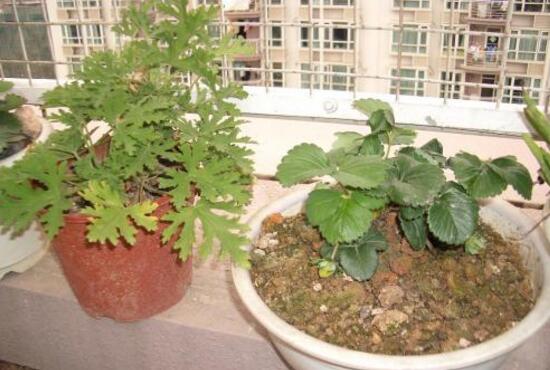
Like most indoor potted plants, the mosquito-repellent plant can be propagated by cuttings. In addition, after flowering the mosquito-repellent plant can bear fruit, and with seeds it can naturally be sown. So how to propagate the mosquito-repellent plant comes down to two methods in general: cuttings and sowing, and both test your potting skills. Let's look at the correct way to do it below.
II. Illustrated guide to the propagation methods of the mosquito-repellent plant
(1) Cutting propagation method for the mosquito-repellent plant
1. Selecting cuttings
To propagate the mosquito-repellent plant by cuttings, you first have to select the cuttings; if they are chosen well, more than half of the whole propagation process is already a success. In March to April, you can select one-year-old semi-lignified leafy softwood shoots and cut them into 12 to 15 cm cuttings to serve as the cuttings.
Treating the cuttings: soak the lower end of the cuttings in rooting powder for 30-40 minutes, then place the cuttings in a cool, ventilated place to dry for several hours.
2. Cutting method
When the cut surface of the cutting is dry and has formed a film, insert it into a pot prepared in advance with growing medium (following the mosquito-repellent plant's growing method, choose loose, slightly acidic soil). Pay attention to strengthening water management; the survival rate can generally reach over 90%. Four hours after inserting, water thoroughly again, and afterward keep the potting soil moist, neither too dry nor too wet; roots can form after 3 weeks.
3. After-planting care
After completing the above steps, the cutting propagation of the mosquito-repellent plant is basically done, and only care remains afterward. In early spring, place it indoors in a warm, bright spot and keep the room temperature at around 20°C; in about 1 month it will sprout and root. Then transplant it separately.
(2) Sowing propagation method for the mosquito-repellent plant
Besides cuttings, the mosquito-repellent plant can also be propagated by sowing. If propagating by sowing, sow the mosquito-repellent plant seeds in early March into clean fine sandy soil at a depth of about 3 cm. When growing the mosquito-repellent plant indoors, keep the room temperature at around 20°C, so that after 1 month the sown seeds can sprout. The mosquito-repellent plant grows quite fast, so remember to repot it once a year.
Overall, the mosquito-repellent plant has fairly strong vitality, and it can be propagated by either cuttings or sowing, but the method most suitable for the vast number of flower lovers is still cuttings. So flower lovers who want to turn one pot of mosquito-repellent plant at home into many pots should quickly try it themselves; even beginners will find it simple to do. That's all the editor has to introduce about the propagation methods of the mosquito-repellent plant, and I hope it helps everyone.
Flowers suitable for sowing in spring
The whole year's work depends on a good start in spring. Some flower lovers don't know which flowers are suitable for sowing in spring, so below is a list of some flowers that can be sown, along with the sowing temperatures and some small sowing methods. Some flowers can be sown in spring or autumn, and some can be sown in all four seasons; flower lovers can use this as a sowing reference.Marigold, spring and summer, 15-25, 10-30°C. Seeds can be soaked in water for 6-8 hours before sowing, cover with 1 cm of soil. Soaking the flowers and leaves in water to drink has the effects of clearing heat and resolving phlegm, and nourishing the blood and promoting menstruation!
Zinnia, spring, 18-25, 10-28°C. Tolerates drought, likes light and is fairly shade-tolerant, easy to manage. Can be sown in early spring when temperatures are above 10°C, cover with 1.5 cm of soil. Zinnia can also be propagated in summer from side-branch cuttings, but because the temperature is too high and there are many showers, pay attention to protection and shading.
China aster, spring and autumn, 10-25°C, 15-20. Direct sowing is suitable in pots, do not move the pot, give full light. Sow and cover with 0.3-0.5 cm of soil.
Cockscomb, spring and summer, 10-30°C, 15-25. Cover with 0.5 cm of soil. Likes a hot environment with dry air, not cold-tolerant
Daisy, spring, summer and autumn, 15-25, 10-25°C. Can endure -4°C; when sowing in spring give full light. Overwinter indoors in the north. The seeds are light-loving, so after sowing there is no need to cover with soil; keep the soil moist.
French marigold, spring and summer, 15-25, 10-30°C. Cover lightly with about 0.3 cm of soil; blooms 40-60 days after sowing
Coleus, mostly spring, summer and autumn, 15-25, 15-30. Also known as wild perilla, cover with a thin layer of 0.2-0.3 cm of soil, keep moist! Germinates in 10-15 days. Likes shade and is also cold-tolerant.
Geranium, mostly spring and autumn, 15-25, 10-25°C. Sow and cover with 0.5-1 cm of soil. Geranium has dense leaves, is emerald green all year round, and blooms continuously from October to June of the following year, with the peak flowering period from April to June. Geranium is suitable for sowing from late winter to early spring, and the flowering period runs through the whole summer. If sown in late summer, it can bloom in spring if the overwintering temperature is kept above 5°C.
Persian buttercup, mostly August-November, 15-20, 15-25. Likes a cool and semi-shaded environment, but avoid direct sunlight and sunscald; when potted at home it can be placed in a semi-shaded spot on the windowsill.
Madagascar periwinkle, (mostly) spring and summer, 15-25, 10-30°C. Also known as periwinkle, cover with 0.5 cm of soil. Madagascar periwinkle is a fairly heat-tolerant flower and can still grow normally at temperatures reaching 35-37°C
Calendula, early spring and autumn, 12-22°C, 10-25°C. Sow and cover with 0.3 cm of soil. Seedlings can withstand low temperatures of -9°C in winter, while mature plants do best at 0°C. Overwinter indoors in winter,
Camellia impatiens, spring and summer, 15-25, 10-30°C. Sow and cover with about 0.5 cm-1 cm of soil, keep moist.
Garden balsam, spring and summer, 15-25, 10-30°C. Sow and cover with about 0.5 cm-1 cm of soil, keep moist.
Moss rose, spring, summer and autumn, 15-25, 10-32. Also known as sun rose, purslane, commonly called "die-hard." Cover with 0.2-0.3 cm of soil. Petunia, can be sown in all four seasons, 20-24, 10-25°C. After sowing there is no need to cover with soil; just press lightly, keep moist. (Start seedlings indoors in winter)
Dahlia, spring, 15-25, 10-25°C. Cover with 1.5 cm of soil (in autumn the tuberous roots can be harvested, stored over winter in a place at 3-5°C, and in spring plant one plant per tuberous root)
Snapdragon, (mostly) can be sown in all four seasons, 15-20, 10-25°C. Sow, cover with 0.3 cm of soil, (start seedlings indoors in winter). Cold-tolerant but not heat-tolerant, likes sun and also tolerates semi-shade.
Cineraria, (mostly) can be sown from April to October, 15-20, 10-25°C. Cover with 0.2-0.3 cm of soil; after sowing place the sowing pot in a cool, ventilated environment.
Lawn flower, can be sown in all four seasons, 8-25°C, 5-35. Cover with 0.2-0.3 cm of soil, easy to plant, flowers in all four seasons.
Five-inch dianthus, (mostly) spring and autumn, 10-25°C, 10-30°C. Cover with 0.5-0.8 cm of soil, cold-tolerant but dislikes extreme heat.
California poppy, spring, summer and autumn, 15-20, 10-25°C. Aliases: California poppy, ornamental poppy. Cover with 0.5 cm of soil; when sowing in summer and autumn, the seedlings need proper shading
Salvia, (mostly) spring and summer, 20-26, 15-30. It is very difficult to germinate below 15°C. Before sowing, soak the seeds in water for 12 hours, then sow, and cover the seeds with 1 cm of soil.
Scarlet sage, (mostly) spring and summer, 20-26, 15-30. It is very difficult to germinate below 15°C. Before sowing, soak the seeds in water for 12 hours, then sow, and cover the seeds with 1 cm of soil.
Ground-cover chrysanthemum, mostly spring and autumn, 15-20, 10-25°C. Alias: thousand-head chrysanthemum. Cover with 0.2-0.3 cm of soil. Blooms especially abundantly. Sow and cover with 0.3 cm of soil; plant once, and the flowers will not decline for 3-5 years. Heat-tolerant and cold-tolerant.
Ornamental kale, spring, summer and autumn, 15-20, 8-25°C. Alias: feather-leaf cabbage, likes a cool and mild climate, tolerant of cold and frost. Sow and cover with 0.5 cm of soil. When raising seedlings in summer, shade netting can be used for covering; when raising seedlings in winter, pay attention to keeping warm.
Evergreen dianthus, mostly can be sown in all four seasons, 10-25°C, 5-32. Sow and cover with 0.5 cm of soil, evergreen in all four seasons, flowers in three seasons, can withstand low temperatures of -40°C, strong vitality, easy to plant
Globe amaranth, spring, 15-22, 10-25°C. Before sowing, the seeds can first be soaked in warm water for 12 hours or in cold water for 24 hours, then squeeze out the water, sow when slightly dry, cover with 1 cm of soil. The suitable sowing temperature is around 20°C, so germination is better.
Sweet sultan, August-December, 15-20, 10-28°C. Suitable for sowing in autumn and winter, cover with about 0.2 cm of soil, water to keep moist, germinates in about 15 days. Best sown directly; cold-tolerant, likes sunny, fertile, sandy soil. Fragrant, with a long flowering period. Can self-sow and multiply.
Double-flowered sunflower, can be sown in all four seasons, 15-25, 10-30°C. Cover with 1 cm of soil, a light-loving flower. (Start seedlings indoors in winter)
Dwarf sunflower, can be sown in all four seasons, 15-25, 10-30°C. Cover with 1 cm of soil, a light-loving flower. (Start seedlings indoors in winter)
Carnation, mostly spring, autumn and winter, 15-20, 15-25. Alias sweet william, an evergreen plant. Cover with 0.5 cm of soil
Sweet alyssum, mostly spring and autumn, 15-20, 10-25°C. Cover with 0.3-0.5 cm of soil, likes coolness, dislikes heat; before the hot summer, prune heavily and place in a cool spot to pass the summer, then it will bloom even more abundantly after autumn.
Verbena, mostly spring and autumn, 15-20, 10-25°C. Soak the seeds in water for 12 hours, place them in a 5°C environment for 10 days, then sow, cover with 0.5-0.8 cm of soil
Cosmos, February-August, 15-25, 10-30°C. Cover with 0.5 cm of soil, easy to plant, many flower colors, strong self-sowing ability; sow once and have flowers for many years.
Black-eyed Susan, spring, summer and autumn, 15-25, 10-32. Sow and cover with 0.3 cm of soil, cold-tolerant and drought-tolerant
Ageratum, (mostly) spring, 15-25, 10-25°C. Sow and cover with 0.3 cm of soil. Ageratum has strong adaptability and is not choosy about soil.
Amaranthus tricolor, sow April-July, 15-25, 10-28°C. Sow and cover with 0.2-0.3 cm of soil; shade from light when sowing. It can also be sown in a hotbed in late March to raise seedlings. The plant likes sunlight when growing, is drought-tolerant, and not cold-tolerant. It is not demanding about soil.
Coreopsis, mostly spring, summer and autumn, 15-22, 10-25°C. Sow and cover with 0.2-0.3 cm of soil. Coreopsis is cold-tolerant and drought-tolerant, and not demanding about soil. Coreopsis is easy to cultivate and can often self-propagate. In the north it can overwinter safely in the open ground. When sowing in summer and autumn, pay attention to using shade netting to keep moist and cool.
Corn poppy, late autumn and early winter, 15-20, 10-25°C. Ornamental poppy. Sow, cover with 0.3 cm of soil, keep moist; after sowing it can be covered with film, and remove the film after germination. In cold regions it can also be sown in early spring.
Lisianthus, January-March, September-October, 15-20, 12-25°C. Also known as prairie gentian; after sowing do not cover with soil, just press lightly, but pay attention to keeping the surface soil moist to avoid the seeds drying out. The plant likes warmth, moisture and plenty of sunlight, is fairly cold-tolerant, not tolerant of waterlogging, and can grow well under dry, hot climate conditions.
Gloxinia, mostly spring and autumn, 18-25, 15-25. (The seeds are very small) do not cover with soil. Water using the bottom-soaking method.
Cyclamen, mostly autumn, winter and spring, 18-22, 15-25. Soak the seeds in 45°C warm water for 24 hours before sowing. Cover with 0.6-1 cm of soil; germinates in about 30 days
Monkey flower, mostly autumn, 15-25, 10-25°C. Can withstand a low temperature of 2°C in winter. The seeds are small, no need to cover with soil.
Calceolaria, mostly autumn, 15-20, 8-25°C. Cover with 0.2 cm of soil or do not cover with soil
Wax begonia, mostly spring and autumn, 15-20, 10-30°C. (The seeds are very small) likes a semi-shaded environment, has a long flowering period, and flowers in all four seasons. To pass the summer it must be placed in a ventilated, cool, semi-shaded spot.
Phlox, spring and autumn, 15-20, 10-25°C. The seeds are small, cover lightly with soil.
Tuberous begonia, mostly spring, 5-20°C, 10-25°C. (The seeds are very small)
Godetia, autumn, 15-25, 10-25°C. It fears cold and also dreads extreme heat; it grows luxuriantly in a warm, moist environment. Keep the soil moist during the growing period. Sow in autumn; in warm-climate areas it can be sown in the open ground, and in cold areas it can be bred in a greenhouse and transplanted in April.
Stock, mostly February-October, 18-25, 10-25°C. Sow and cover with 0.5 cm of soil. Sow directly into a suitable pot. A taproot plant, not tolerant of transplanting; when moving pots, carry the original soil ball, do not let the ball break apart, and try not to damage the roots. Can withstand a brief low temperature of -5°C.
Mimosa, mostly spring and autumn, 15-25, 10-30°C. Cover with 1 cm of soil, fears frost (start seedlings indoors in winter, and overwinter the grown seedlings indoors)
Trollius, mostly spring, autumn and winter, 15-20, 12-25°C. Cover with 1 cm of soil, (start seedlings indoors in winter)
Blanket flower, mostly spring, 18-22, 20-30. Cover with 0.8 cm of soil, strong vitality, heat-tolerant, drought-tolerant!
Asparagus fern, mostly can be sown in all four seasons, 15-25, October 25. Soak the seeds in water for two days before sowing, cover with 0.8 cm of soil, germinates in about 40 days.
Cactus, mostly spring, summer and autumn, 25-30, May 30. Cover with 0.2-0.3 cm of soil
Gazania, mostly spring and autumn, 15-22, October 25. Cover with 0.8 cm of soil
Balloon flower, mostly spring, autumn and winter, 15-20, October 28. Cover with 1.5 cm of soil; soak the seeds in water for 24 hours before sowing
Spider flower, early spring and summer, 20-30, 15-30. Cover with 0.5-0.8 cm of soil; give the seedlings full light. Sow directly, do not move the pot
Bee plant, spring and autumn, 15-25, May 25. Autumn sowing needs to be done indoors; in early spring it can be sown directly in the open ground.
Sage, mostly spring and autumn, 20-25, 15-30. Soak the seeds in water for 24 hours, sow and cover with 0.5 cm of soil
Pyrethrum, mostly spring, autumn and winter, 18-22, 15-30. Most suitable for autumn sowing, cover with 0.3 cm of soil
Feather cockscomb, spring and autumn, 20-30, October 30. Cover with 0.2-0.3 cm of soil
Pansy, mostly spring and autumn, 15-20, May 21. Cover with 0.6 cm of soil; seeds do not germinate above 20°C
Strawberry, mostly autumn and winter, 20-25, 15-25. Cover with 0.3 cm of soil
Lavender, mostly spring and autumn, 15-20, 15-30. Cover with 0.3 cm of soil
Orange jasmine, spring and summer, 15-20, December 25. Alias: nine-layer fragrance. Cover with 0.3-0.5 cm of soil
Mosquito-repellent vanilla, spring, 15-25, October 25. Cover with 0.2-0.3 cm of soil
Pearl muskmelon, spring, 18-25, 15-30. Cover with 0.5-0.8 cm of soil; can be grown as a hanging ornamental.
Chinese vanilla, spring, 15-25, 15-30. Alias: fenugreek, cover with 0.8 cm-1 cm of soil. Strong fragrance
Hyssop, mostly spring and autumn, 15-25, 18-35. Cover with 0.3-0.5 cm of soil, strong cold resistance; in northern regions it can overwinter naturally.
Savory, mostly can be sown in all four seasons, 15-20, 20-30. Cover with 0.2-0.3 cm of soil
Scented marigold, spring and autumn, 15-20, October 30. Cover with 0.3 cm of soil. Semi-cold-tolerant.
Evening primrose, mostly spring and autumn, 15-25, October 30. Alias: evening primrose. Cover with 0.5-0.8 cm of soil.
Sweet pea, September-December, October 20, May 20. Soak the seeds in water for 28 hours before sowing, cover with 1 cm of soil; dislikes extreme heat, slightly cold-tolerant.
Bottle gourd, spring, 15-25, October 30. Soak the seeds in water for 4-6 hours before sowing, cover with 1 cm of soil
Dancing grass, mostly can be sown in all four seasons, 20-28, 15-30. Gently rub the waxy outer surface of the seeds with dry fine sand to slightly break the seed coat, then soak the seeds in warm water for 48 hours before sowing, cover with 0.3 cm of soil
Ornamental pepper, mostly can be sown in all four seasons, 15-35, 15-38. Cover with 0.3-0.5 cm of soil
Ornamental eggplant, can be sown in all four seasons, 15-22, 15-25. Cover with 0.3-0.5 cm of soil
Cherry tomato, can be sown in all four seasons, 20-30, 15-30. Also known as: cherry tomato. Cover with 0.3-0.5 cm of soil (start seedlings indoors in winter)
Five-angle eggplant, mostly February-June, 20-30, 20-30. Also known as: five generations under one roof. It can bloom in all four seasons; the petals are purple, golden yellow, with five nipple-like or finger-like protrusions, a peculiar and lovely shape that does not fade or shrink for a long time.
Toy pumpkin, spring, summer and autumn, 20-30, 15-30. Cover with 1.5-2 cm of soil. When sowing in summer, the seedlings need shading to prevent sunscald.
Five-color pepper, spring (can be sown indoors in all four seasons), 15-25, 12-35. Cover with 1 cm of soil
Jerusalem cherry, mostly spring and autumn, 20-30, 15-35. Cover with 0.5 cm of soil. Blooms several times a year; the main ornamental part is the deep orange-red spherical berry!
Potted tomato, can be sown in all four seasons, 20-30, 15-30. Cover with 0.3-0.5 cm of soil (start seedlings indoors in winter)
Hollyhock, mostly spring and autumn, 15-25, 15-30. Cover with 1.5 cm of soil
Lupine, mostly spring and autumn, 15-20, 15-25. Alias: lupine; sown in January or February it can bloom the same year. Cover with 0.5-0.8 cm of soil.
Four o'clock flower, mostly spring, October 30, October 30. Cover with 1.5 cm of soil. Tolerates semi-shade
Kochia, spring, 15-25, October 30. Cover with 0.3 cm of soil
Feverfew, mostly spring and autumn, 15-25, 18-35. Alias: button chrysanthemum. Cover with 0.2 cm of soil. Flowers white, with a chrysanthemum fragrance, long flowering period.
Statice, spring, summer and autumn, 15-25, October 30. Alias: sea lavender. In winter it can withstand low temperatures of minus 8-15°C, and in summer it can grow for long periods at 35-38°C. Cover with 0.3 cm of soil
Forget-me-not, mostly can be sown in all four seasons, within 18°C, 20-22, May 25. Alias: everlasting flower. Cover with 0.5 cm of soil; sow directly, better not to move the seedlings. Cold-tolerant. Likes a cool climate and a semi-shaded environment
Baby's breath, mostly spring and autumn, 15-25, October 25. Cover with 0.2 cm of soil; best sown directly, do not move the pot. Cold-tolerant; above 5°C it blooms continuously all year. Evergreen
Larkspur, spring and autumn, around 15°C, 15-25. Alias: thousand-bird grass. (Seedlings overwinter indoors)
Canterbury bells, two, spring and autumn, 15-20, 15-25. Cover with 0.5 cm of soil. Cold-tolerant
Penstemon, mostly spring and autumn, 15-20, October 28. Cover with 0.3 cm of soil. (Seedlings overwinter indoors)
Moluccella, spring, summer and autumn, 15-25, 20-30. Alias: collar flower. Cover with 0.5-0.8 cm of soil.
Liatris, mostly spring and autumn, 15-20, 15-25. Cover with 1 cm of soil.
Cypress vine, spring and summer, 20-30, 15-30. Cover with 1.5 cm of soil, strong self-sowing ability.
Multicolored morning glory, spring and summer, 20-25, 15-35. Cover with 1 cm of soil, easy to plant
Crape myrtle, mostly spring, 18-22, 18-35. Cover with 1 cm of soil.
Foxglove, mostly spring, summer and autumn, 18-22, 15-28. Cover with 0.5 cm of soil. Cold-tolerant, tolerates semi-shade
Columbine, mostly spring and autumn, 15-20, 25-30. Cover with 0.5 cm of soil. Tolerates semi-shade and cold; in the north it can overwinter in the open ground. Blooms the following year.
Dragon fruit, mostly can be sown in all four seasons, October 25, 5-35. Cover with 0.3 cm of soil. Evergreen, heat-tolerant; in the north it overwinters indoors in winter. It can absorb computer radiation, so it can be used as a small desktop bonsai
Strawberry Corn: early spring to July, 15-25, October 30, cover with soil 0.8-1 cm. The ears are pocket-sized and cute, deep red in color, can be used as decorative crafts for viewing, and are also edible.
Mallow: many, spring and autumn, 15-25, 10-30 degrees, alias: Qiankui. Cover with soil 0.5-0.8 cm. Cold-resistant, drought-tolerant.
Flying Saucer Squash: spring, summer and autumn, 20-30, 15-30, cover with soil 1.5-2 cm. Sow in summer; young seedlings need shade to prevent scorching in direct sunlight. A vine-less ornamental pumpkin.
Bowl Lotus: many, March to July, before sowing, file through the seed coat; ask the shop owner for detailed planting illustrations.
Wishbone Flower: spring (in Guangdong, Guangxi and Hainan it can be sown in autumn); 20-30 degrees. Wishbone flower likes sunlight, is not cold-tolerant, and is relatively heat-tolerant. Because the seeds are tiny, they can be mixed with some fine sand when sowing; after sowing, no soil cover is needed, but plastic film should be used to cover and retain moisture, and after sowing water by the soaking method. They sprout in about 15 days; after the seedlings emerge, remove the film and place them in a bright, well-ventilated spot. When there are 5 true leaves or the plant height has reached 10 cm, they can be transplanted. During cultivation, place them in a spot with sufficient light. To keep the flower colors vivid, apply organic fertilizer as a base fertilizer before cultivation.
Thai Small Scallion: can be sown in all four seasons, 15-25, cover with soil 0.5 cm. Heat-tolerant and cold-tolerant; after more than 40 days, it can be harvested continuously. Above 33 degrees, low-temperature germination stimulation is needed before sowing; below 10 degrees, protected sowing is needed.
Cherry Radish: can be sown in all four seasons. Strong heat tolerance, fast growth; the root is round, 3-4 cm in diameter, with bright red glossy skin and snow-white flesh.
Cucumber: spring, autumn and winter; in winter, grow seedlings indoors.
Four-Season Baby Bok Choy: can be sown in all four seasons.
Blue Alyssum can be sown in both spring and autumn. The germination temperature is 15-20 degrees, germination takes 7-14 days, and spring-sown plants bloom in 3 months. It likes light, is drought-tolerant, and tolerates low temperatures of minus 15 degrees.
Lobelia is suitable for autumn sowing. When sowing, some fine sand can be mixed in before sowing; no soil cover is needed. Water with a fine-holed watering can, and the force must never be too strong, to prevent the seeds from washing away. The seeds can germinate 20 days after sowing at 22 degrees Celsius, and grow better at 12-15 degrees Celsius. They can bloom 14-15 weeks after sowing. Direct sow, or raise seedlings first and transplant into pots or flower beds when they have 6-8 true leaves; transplant into pots or flower beds when they have 6-8 true leaves. During the seedling stage, pay attention to loosening the soil and weeding. After planting, apply 1 application of dilute human waste; after the summer harvest, apply 1 topdressing of livestock manure or ammonium sulfate, urea, etc.; in winter, apply rotted fertilizer or compost. In dry seasons, irrigate and keep the soil moist to promote growth. When planting, add a slow-release fertilizer, and then topdress about every three weeks; especially before the flowering period, supplement a relatively large amount of phosphorus fertilizer to promote flowering. It needs long daylight and low temperatures to bloom. Its cold tolerance is not strong; it dislikes extreme heat and likes loose soil rich in humus.