-

Pollution Prevention and Rehydration Precautions for Mushroom Inoculation Boxes
Contamination of Mushroom Inoculation Boxes and Its Prevention
-
Detailed Explanation of Edible Mushroom Preservation Methods and Mushroom Bag Aeration Methods
Aeration Methods for Edible Mushroom Bags
-
Notes on Rehydration for Edible Mushrooms and Four Methods for Assessing Spawn Quality
Four Methods for Assessing the Quality of Edible Mushroom Spawn
-
How a Fish Fillet Processing Plant Transformed Itself for Export Certification to Achieve Long-Term Operation
Taiwan's aquaculture technology is renowned worldwide, but with a limited domestic market, many fish farmers are setting their sights overseas. However, marketing goods abroad tests more than just production volume and quality control capabilities. To win orders, international certification is also a challenge as an entry ticket.
-
Preparation and Use of Nutrient Solution for Hydroponic Alocasia (Dumb Cane)
Hydroponically grown plants generally grow weaker and much more slowly than those grown in potting media, and this is normal. Hydroponic plants are attractive and clean, and in homes they are mostly used to decorate the interior, so slower growth is actually just right for maintaining their ornamental effect over the long term. Using nutrient solution for hydroponic plants is somewhat troublesome.
-
Fluralaner can be used for mite control in poultry farming; the Food and Drug Administration has announced a draft residue tolerance limit
The Food and Drug Administration under the Ministry of Health and Welfare has announced a draft amendment to Article 3 of the "Standards for Veterinary Drug Residues," setting residue standards for Fluralaner used in chicken meat and eggs and other products. Fluralaner can be used as an antiparasitic and is a medication for lice and mite control. The Food and Drug Administration referenced
-
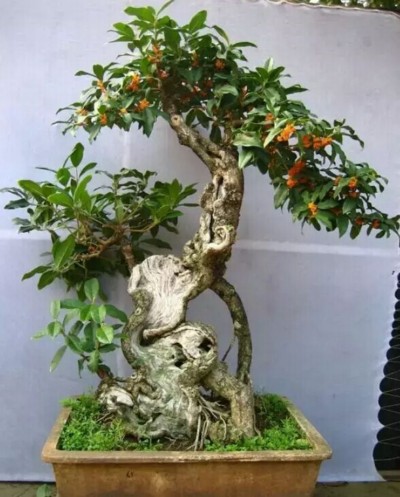
Detailed Explanation of Osmanthus Bonsai Grafting Methods and Operation Steps
Osmanthus has luxuriant branches and leaves, stays evergreen through all four seasons, with gnarled roots and graceful posture, brilliant flowers and rich fragrance. It also has biological characteristics such as strong sprouting ability, tolerance to pruning, and long lifespan, making it an excellent tree species for making tree bonsai. The process of making osmanthus bonsai is complex, learning from nature, and wonderfully exquisite
-
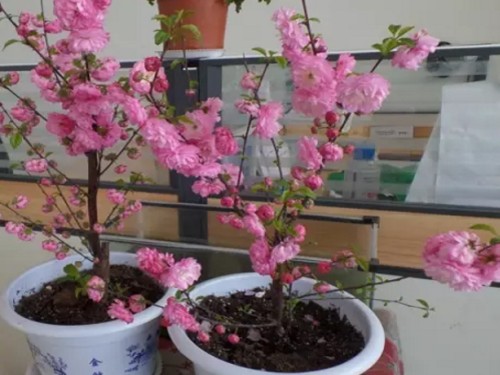
Detailed Explanation of Grafting Techniques and Operation Methods for Flowering Almond (Prunus triloba)
Flowering almond (Prunus triloba) has a cultivation history of several hundred years in China, and it is planted in most parks across the country. This species blooms early and is mainly grown for ornamental purposes. Common cultivated types include the double-flowered flowering almond (double flowers, pink; sepals usually 10) and 'Luanzhi' (10 petals and 10 sepals, pink flowers; leaf undersides hairless).
-
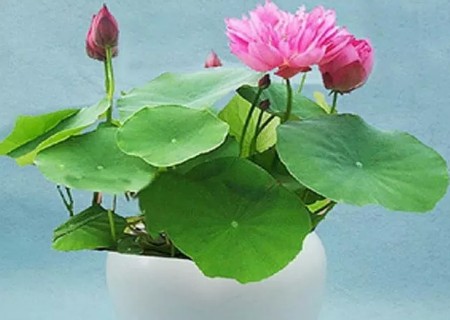
How to Plant Bowl Lotus Seeds? Detailed Planting Guide with Illustrations
Bowl lotus, also known as white lotus, is a perennial aquatic herbaceous flower. It has high ornamental value, blooms from June to September each year, and its most suitable growth temperature is 20-30°C. In the hot midsummer, keeping a pot of elegant bowl lotus at home easily drives away the scorching heat. Summer is about to arrive
-
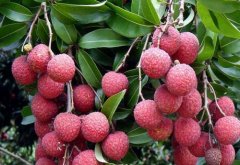
Rational Fertilization Methods for Lychee Orchards and Factors to Consider
Lychee cultivation is fairly widespread, and many regions have lychee orchards. So how should rational fertilization in lychee orchards be carried out, and what issues need to be considered? Let's take a look together! Rational fertilization in lychee orchards must take the following factors into consideration.
条件筛选