-
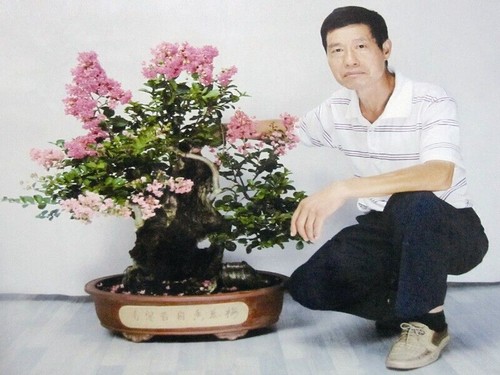
Detailed Explanation of Crape Myrtle Bonsai Propagation Methods and Techniques
Every flower blooms in its own beauty, each leading its own charm. Take the crape myrtle (Lagerstroemia indica), for instance: it avoids the spring when a hundred flowers contend in beauty, and chooses to bloom at the turn of summer and autumn. Its tree form is elegant, its branches and trunk are twisted and bent, and its flower colors are gorgeous, making it well worth admiring. There are many kinds of crape myrtle, with varied postures. Because it is easy to manage and its branches are soft
-
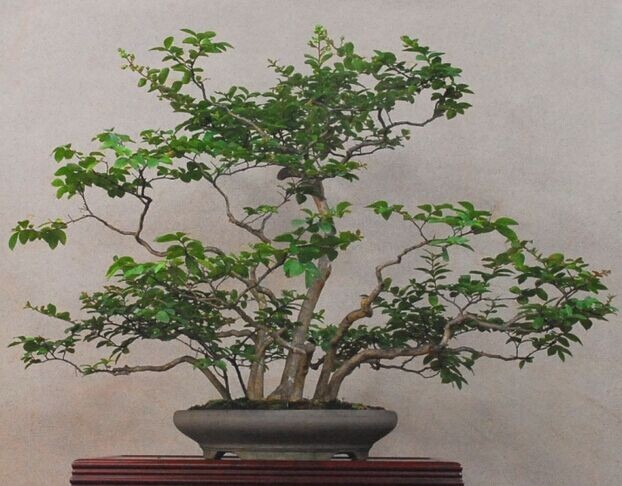
Detailed Explanation of Pruning and Shaping Methods for Crape Myrtle Bonsai
Crape myrtle (Lagerstroemia indica) is tolerant of pruning, has strong branching ability, and produces a large amount of new shoot growth. Therefore, after flowering, the spent flowers should be cut off, which can extend the flowering period. Sucker branches, overlapping branches, crossing branches, radiating branches, and diseased branches should be removed at any time to avoid consuming nutrients. Pruning and shaping: 1. General pruning and shaping of crape myrtle bonsai
-
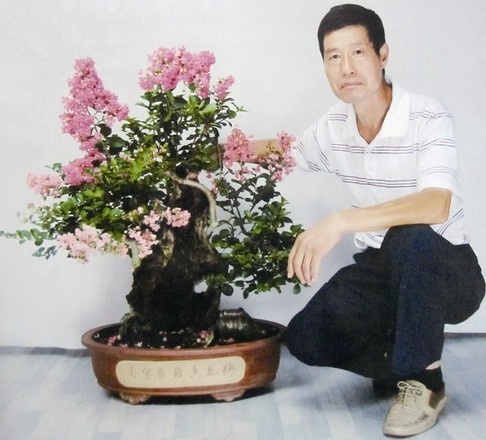
How to fertilize a crape myrtle bonsai? These tips you need to master
After autumn, the crape myrtle should be given a somewhat stronger organic fertilizer as a base fertilizer, but in general, crape myrtle trunks should not be given heavy fertilizer, to prevent the branches from growing excessively. When fertilizing crape myrtle, attention should be paid to the combined application of nitrogen and phosphorus fertilizers. During the growing season, apply a decomposed fertilizer once every half month. After each pruning, apply a nitrogen-based fertilizer.
-
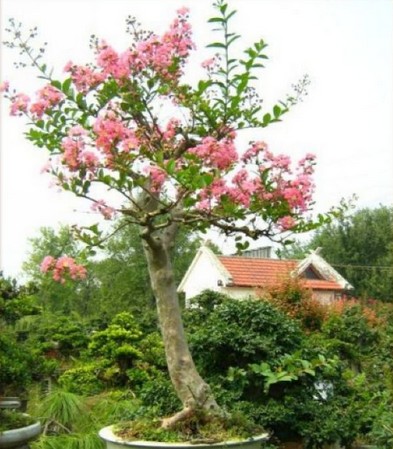
What are the watering methods for crape myrtle bonsai?
Crape myrtle bonsai loves light, and it is generally placed in a sunny, well-ventilated spot to grow. But crape myrtle also likes moisture and fears waterlogging, so watering should be done in moderation. Too much watering causes water accumulation, which will make the crape myrtle rot at the roots and die. But if water is not replenished in time, it will also pause growth or die from lack of water.
-
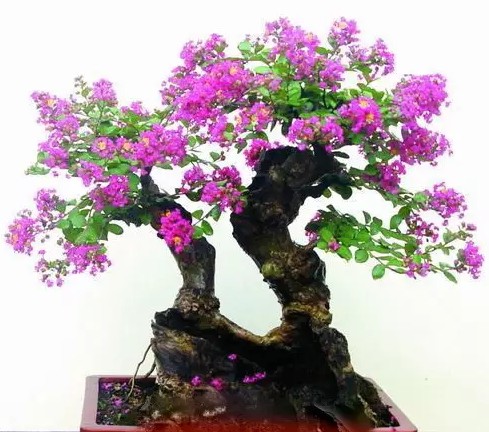
Detailed Explanation of Key Techniques for Propagating Crape Myrtle Bonsai by Cuttings
The crape myrtle (Lagerstroemia indica) has a graceful tree form, curving branches and trunks, and brilliant flower colors. It belongs to the Lythraceae family and is a deciduous small tree. The crape myrtle blooms for a hundred days in red, and a gentle touch on its branches and trunk makes the whole tree move. Therefore, the crape myrtle is also called the hundred-day red and the ticklish tree. When planting crape myrtle, a wind-sheltered, sunny spot with deep, fertile soil and good drainage should be chosen. When transplanting large seedlings, a soil ball must be kept.
-
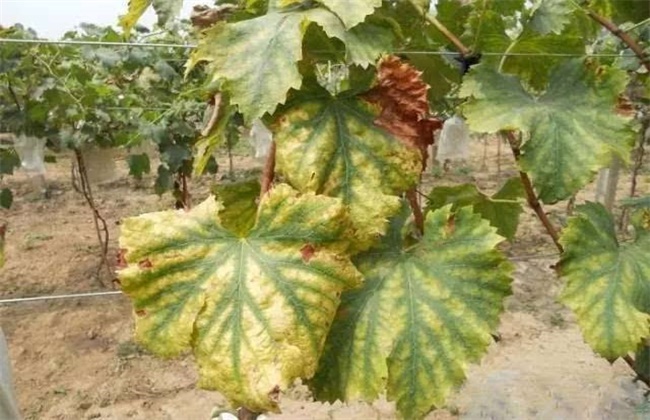
What causes premature aging in grapevines? A detailed guide to prevention and control methods
Causes of premature aging in grapevines and prevention and control methods
-
-
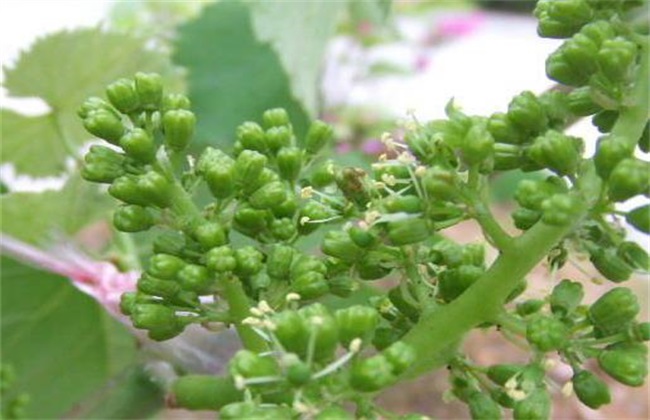
Detailed Explanation of Key Grape Flower and Fruit Management Techniques
Grape Flower and Fruit Management Techniques
-
-
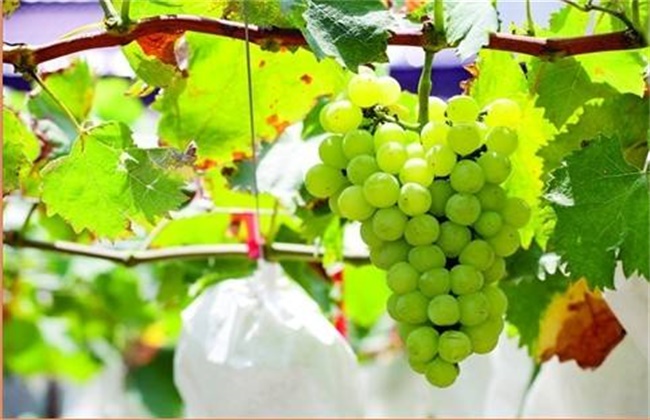
Detailed Explanation of Key Points for Crystal Grape Cultivation Techniques
Crystal Grape Cultivation Techniques
条件筛选