Detailed Explanation of Key Points for Crystal Grape Cultivation Techniques
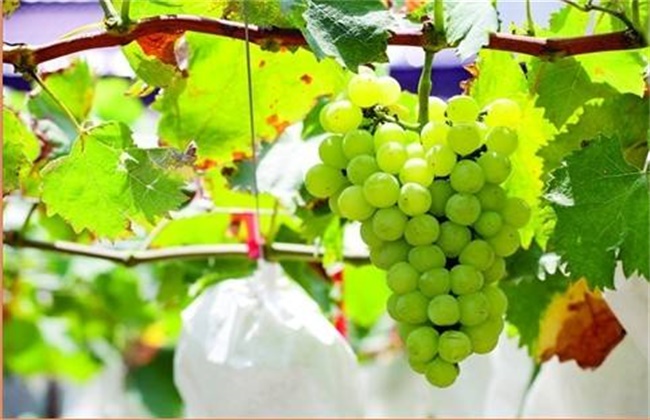
Crystal grapes originate from the Americas. They have a sweet and sour taste, are nutritious, and have a crystal-clear appearance. They are deeply loved by consumers and have good market prospects. Their yield is relatively high, and cultivation is not complicated, making them suitable for large-scale planting. So how should crystal grapes be cultivated? Let's find out together.
1. Orchard Establishment
Crystal grape vines are vigorous, with relatively small branches and leaves, a well-developed root system, high demand for water and fertilizer, and strong environmental adaptability. For orchard establishment, it is advisable to choose areas with an annual average temperature above 10°C, a growth and fruiting temperature of 20-25°C, and a flowering period temperature not lower than 14°C. At the same time, choose areas with sufficient sunlight and good irrigation. For soil, choose well-drained, fertile, and loose soil. The soil can be improved by deep plowing and sun-drying to kill insects and sterilize, then applying organic fertilizer or farmyard manure.
2. Planting
When selecting seedlings, be sure to choose strong-growing, pest- and disease-free seedlings. Remove any residual roots and disinfect the stems. Planting is generally carried out in spring, in January-February. Pay attention to the plant and row spacing when planting; it should not be too dense, generally about 4m x 3m. You can also plant at a reasonable density according to soil fertility, climate temperature, and other conditions.
3. Fertilizer and Water Management
Before planting, apply 2000 kg of farmyard manure, 50 kg of compound fertilizer, and an appropriate amount of calcium-magnesium-phosphate fertilizer per mu, mix evenly with the soil, and then backfill part of it. After planting, apply decomposed farmyard manure once every half month. From July to September, spray the foliar fertilizer monopotassium phosphate. After September, supplement 300 kg of farmyard manure, 50 kg of calcium-magnesium-phosphate fertilizer, microorganisms, potassium sulfate, and an appropriate amount of zinc and boron elements to increase yield and quality. After picking, apply 10 kg of compound fertilizer per plant to promote recovery of tree vigor for the next year's yield.
4. Pest and Disease Control
Once grapes suffer from pests and diseases, it will seriously affect the appearance and yield of the grapes, so pest and disease control must be emphasized during production. Physical methods such as bagging, insect trap lamps, yellow sticky traps, and insect-proof nets can be used to control pests, cultivate green, pollution-free, organic fruit, reduce pesticide residues, and improve quality and price. For chemical control, prevention should be the main approach. In winter, lime sulfur mixture can be used to eliminate pathogens. After flowering, Bordeaux mixture + abamectin can be sprayed to prevent various viruses such as rachis brown rot and grape anthracnose. After fruit set, use difenoconazole + Antaisheng, then bag to prevent viral infections such as downy mildew and white rot.
The above is an introduction to crystal grape cultivation techniques. We hope it can help you. To learn more related knowledge, please stay tuned to us.