Detailed Explanation of Key Grape Flower and Fruit Management Techniques
Grapes now have a very large market nationwide. Grapes can not only be eaten as fresh fruit, but can also be processed into raisins, wine and various other foods. They are very popular in the market. When growing grapes, grape management work is very important, especially management during the flowering and fruiting period. So today, the editor brings you the management techniques for the grape flowering and fruiting period. Let's take a look below!
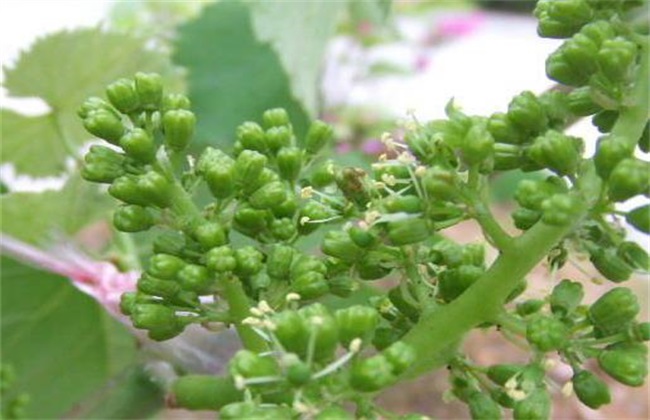
1. Reasonable load
Grapevines have a load range. If the amount of flowers and fruit on the vine exceeds the load range, then not only will yield fail to increase, but it will also cause a large amount of flower and fruit drop, leading to reduced yield. During the grape flowering and fruiting period, the yield per mu should not exceed 2000kg. The load per sq m is about 3kg of fruit. Control the clusters well according to the variety. For varieties with small clusters, control the weight of each cluster at about 300g. The number of clusters on each fruiting cane must not exceed 2, and excess flower clusters should be removed in time to ensure that the amount of flowers and fruit is within the vine's load range.
2. Spraying foliar fertilizer
During the grape flowering period, appropriately spraying foliar fertilizers such as borax can effectively increase the fruit-setting rate of grapes. When spraying foliar fertilizer, note that it should not be done on sunny days, but should be done on cloudy days or in the morning and evening. This can avoid excessive evaporation of the solution after spraying due to excessively high temperatures. Then when spraying, pay attention to the spraying location and method. It should be sprayed on the back of young leaves by spraying, and an appropriate amount of washing powder can be added to the fertilizer to ensure that the fertilizer solution can stick to the leaves.
3. Cluster trimming
Cluster trimming is also an indispensable management measure for grapes during the flowering and fruiting period. It is carried out when the grape inflorescence is fully extended but has not yet fully opened. The targets for pruning are large clusters and secondary clusters, but they should not all be removed; about 1/4 should be removed. And about 4/5 of the cluster tip should be retained. Similarly, for smaller clusters, pruning should not be too heavy, and they may even not be pruned; only slight trimming is needed.
4. Fruit bagging
After grapes set fruit, doing a good job of bagging can effectively prevent damage to the fruit from pests, diseases and birds. It can also prevent the fruit from contacting the spray solution, reduce fruit contamination, and reduce adverse phenomena such as sunburn and fruit cracking. Improve fruit quality and yield. When the clusters are tidied for the first time, bagging should be done in good time, generally about three weeks after flower drop. Determine the specific bagging time according to the growing region. Before bagging, sterilization should be carried out once. The main target of sterilization is the clusters, mainly with agents such as thiophanate-methyl. After the solution dries, bagging can begin.
The above is a brief introduction to the management techniques for the grape flowering and fruiting period. The management work during the grape flowering and fruiting period is very important, and everyone must pay close attention to it. That is all for today's introduction. Friends who want to learn more related information, please continue to follow us!