What kind of environmental conditions do grape roots need for growth
Grapes are a relatively vigorous climbing fruit tree, and their growth requires absorbing large amounts of water and nutrients from the soil, so the grape root system is very important. Therefore, during growth, it is necessary to ensure a good growing environment for the grape roots and to regulate some factors that affect growth so that the roots stay in the best condition. Let us look below at what the main influencing factors are.
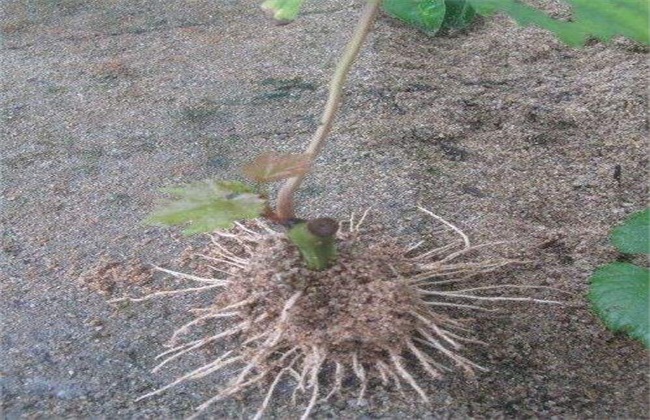
1. Water
Grape root growth requires a large amount of water, so drought conditions must not occur. After drought, the plant's growth vigor becomes relatively weak, yellowing and leaf drop occur, and the fruit is also very small or colors poorly. However, waterlogging must also be avoided, as waterlogging can suffocate the roots, causing them to rot underground, and the entire plant becomes useless. It is best if the field humidity is usually above 55%, and maintained at around 65% during the fruiting period.
2. Consumption
If the plant grows too vigorously and approaches excessive vegetative growth, it will consume a large amount of nutrients, making root growth relatively difficult, with no nutrient support. Also, after fruiting, a tree full of fruit without fruit thinning, or without pruning, will also consume many nutrients. In this way, the tree's nutrients become unbalanced, and root growth becomes difficult. It is best to thin branches and fruit, prune, and spray growth regulators.
3. Fertilization
When applying chemical fertilizers, pay attention to the fertilization concentration. High-concentration fertilizers should be applied in small amounts, and they should be dissolved in water before use. When applying, keep some distance from the roots. They can be spread on the surface without turning the soil to bury them, which can prevent burning the roots and also help the roots absorb them. Farmyard manure must be fully decomposed and must not carry soil-borne pathogens that infect the roots. In spring, when temperatures are low, biostimulants can be used to promote root vitality.
4. Soil pH
The soil used for planting grapes generally has a pH range suitable for growth. Beyond this range, whether too high or too low, growth will be affected. Soil acidification will damage the roots, cause poor plant growth, blackened, rotting, or dead roots, prevent the absorption of soil nutrients, slow leaf growth, and weaken resistance, making the plant susceptible to disease. Generally, acidic fertilizers should be used sparingly.
5. Organic matter
Fertile soil has a very high organic matter content, so there are many microorganisms with vigorous activity, and the soil becomes loose and aerated, which is very beneficial for root respiration and growth. Root growth accelerates, more roots branch out, and the roots can also be renewed.
Grape roots grow best in a soil environment that is fertile and loose, aerated, rich in trace elements, and with suitable pH. Attention should be paid to the effects of water content and fertilization, and more organic fertilizer with a high organic matter content should be applied.