-

How to Grow Ranunculus (Persian Buttercup) for Healthy Growth: Planting Methods and Care Guide
A detailed introduction to ranunculus planting methods and care techniques, including how to grow ranunculus, soil preparation, light and watering, propagation methods, fertilizing and pruning, pest and disease control, and other practical content.
-
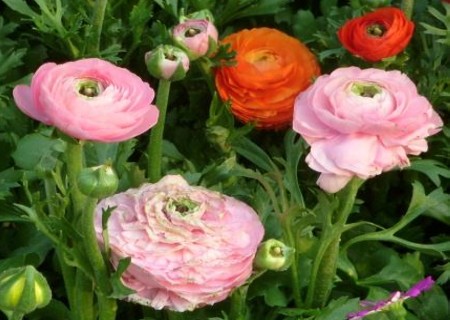
How to grow Ranunculus asiaticus? Sharing my planting and care experience
Ranunculus asiaticus is a bulbous flowering plant of the genus Ranunculus in the family Ranunculaceae. It prefers a cool climate and is better suited to growing at temperatures of 15-25C. Because the south mostly has a hot and humid climate, this flowering plant is generally hard to come by there.
-
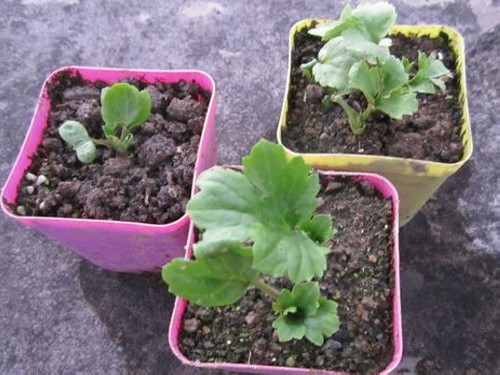
A Detailed Guide to Growing Ranunculus: The Complete Process from Sowing to Care
Ranunculus, also known as Persian buttercup or celery-leaved peony, is a perennial bulbous flower of the Ranunculaceae family. Ranunculus flowers are large and beautiful, often planted under trees, in clumps in lawns, and on the shady side of buildings; they are also suitable for cut flowers or potted cultivation.
-
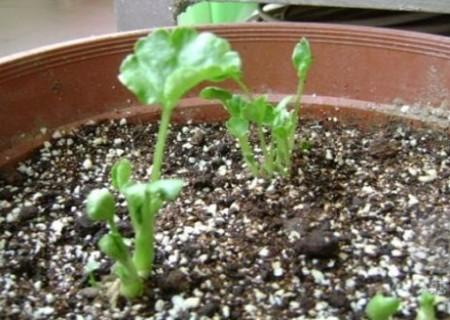
How to grow Ranunculus? Detailed guide to planting methods and care tips
When to sow Ranunculus? How to sow? Ranunculus is a perennial herbaceous plant, with not only single-petaled varieties but also double-petaled ones, and rich colors. Besides stem and corm cultivation, seed sowing can also be used to grow seedlings. So, when is the time to plant Ranunculus? Ranunculus is usually sown in spring in October each year
-
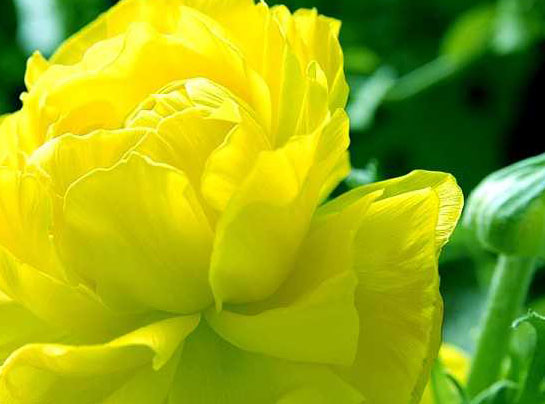
How to grow Ranunculus? Ranunculus care methods
Ranunculus is also known as Persian buttercup. The flowers are borne singly at the tips of the stems, or long pedicels emerge from the leaf axils. The corolla is round. Flower colors include white, yellow, orange, red, purple, brown and so on. The flowering period is April to May. It is relatively cold-tolerant but not heat-tolerant, and enters dormancy in summer in most regions of China. It fears strong direct sunlight and grows well in dappled shade.
-
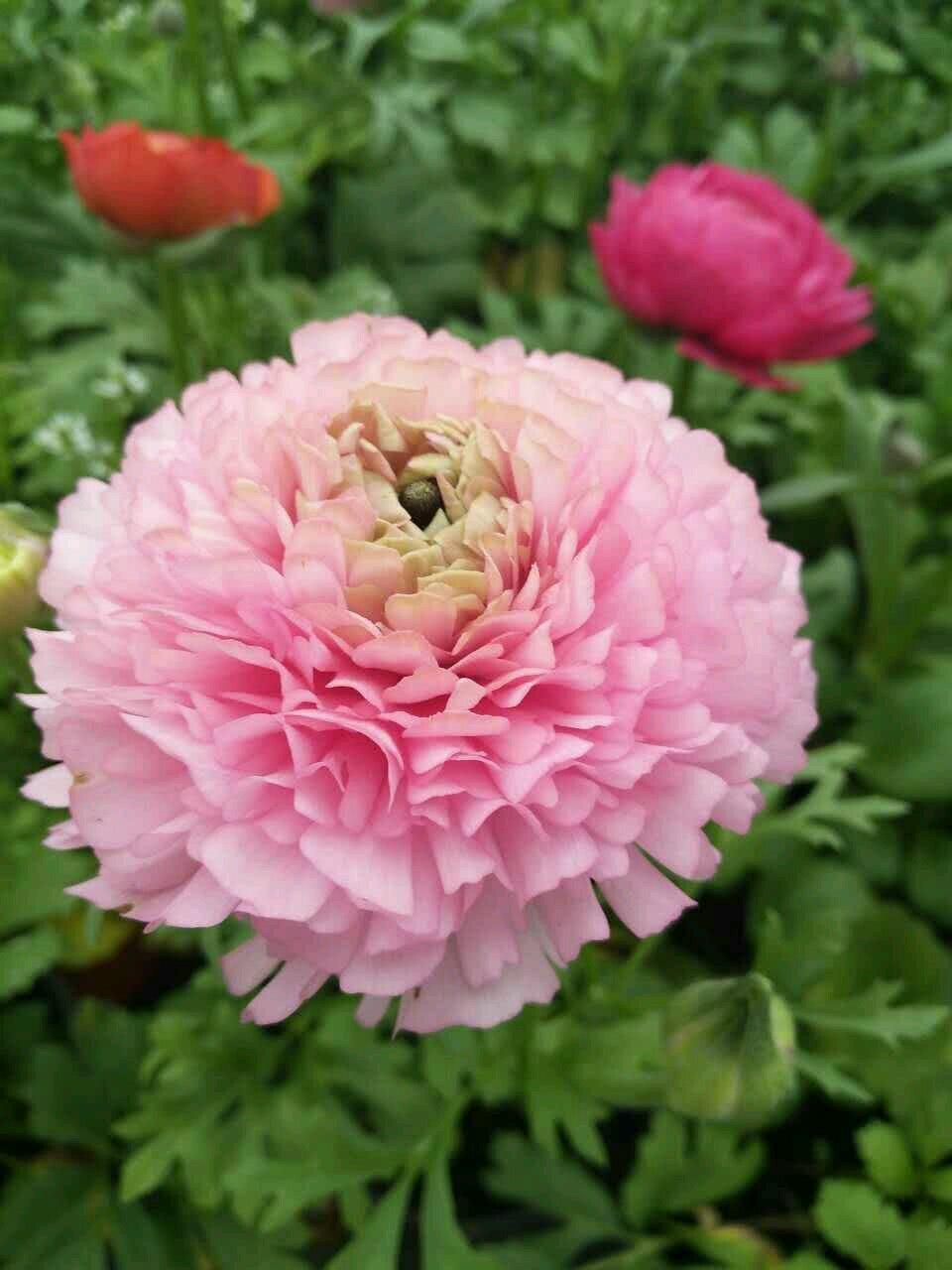
3 little tips for ranunculus care: sprout in half a month and bloom nonstop next spring
Ranunculus (Persian buttercup) has delicate flower shapes and brilliant colors, and its double flowers look a lot like peonies. A pink ranunculus given to your sweetheart or a friend in business is a good choice, and it has always been deeply loved by flower growers. Experience in growing this variety is still not...
-

How to care for Ranunculus after flowering? Detailed post-bloom care methods
First, fertilizer must be supplied in sufficient amounts to prepare for the growth that follows. Besides fertilizer, the soil should ideally also be treated by adding some humus. Next, pruning is needed: cut off the spent flowers to keep them from continuing to consume nutrients. In addition, the temperature must be kept suitable, around 15 to 20°C during the day and 7 to 8°C at night.
-

How Does Ranunculus Overwinter? A Detailed Guide to Winter Care Methods
We all know that Ranunculus (Persian buttercup) is a wonderful plant. It grows beautifully, so it is quite popular, but in winter it still needs certain measures to get through. Let us explain this specifically in terms of temperature, light, fertilizing and other aspects. Generally, the temperature should still be kept above zero, and as for light, it still needs fairly ample light. As for fertilizer, it still needs to be applied continuously, though this varies depending on the variety. In addition, watering must not be forgotten.
条件筛选