How Does Ranunculus Overwinter? A Detailed Guide to Winter Care Methods
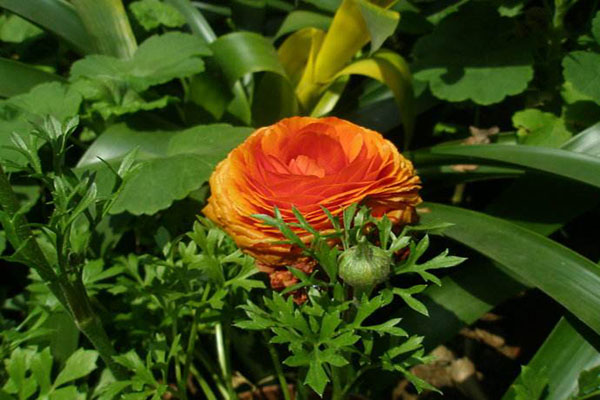
1. Temperature
The first thing we need to know is what temperature range it adapts to. Generally, around 20 degrees during the day is better, while 7 to 10 degrees at night is very good. But in winter this is still hard to achieve, so we still need to pay attention to cold protection, at minimum above minus 1 degree, though higher than this is better.
In addition, we also need to consider whether it is grown in the south or the north, because in the south winter temperatures still do not get too low, and putting it on a balcony is fine, while the north is different, and it must be placed indoors. Also, if planting in large quantities, you can cover it with a layer of film, and once its new leaves have grown well, you can manage the temperature normally.
2. Light
It cannot tolerate strong light; what it likes is a semi-shaded environment. However, we need to know that winter light is not plentiful, so we must give it enough light. Only in this way can it grow well.
3. Fertilizer
It needs fertilizer in all four seasons, but in winter it is better to use a nitrate-nitrogen compound fertilizer, preferably one that does not contain chlorine. We cannot stop fertilizing in winter; we just adjust the elements contained in the fertilizer. Only in this way can it survive relatively normally.
4. Water
Because it rather likes a moist environment, but it is very afraid of waterlogging, we still need to water it, but the amount must not be too much. Generally, keeping its surface from drying out and its leaves from wilting is enough.