-
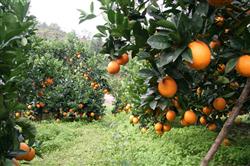
What are the main diseases of navel oranges? A detailed explanation
What are the main diseases of navel oranges? How should these diseases be prevented and controlled? Please introduce them. Fruit cracking, sunburn and navel yellow are the three major physiological diseases of navel oranges, and many first-time growers lack experience in preventing and controlling them. After years of trials, the author has accumulated rich experience in preventing and controlling navel orange fruit cracking, sunburn and navel yellow, and has effectively controlled...
-
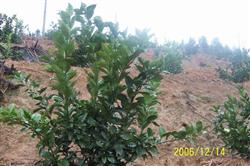
Introduction: Why do navel oranges need "thinning spring shoots and removing summer shoots"
Scientifically "thinning spring shoots and removing summer shoots" on navel orange trees in the year before they come into production or after they have come into production is an important measure for retaining fruit and increasing yield. However, because many fruit growers do not know how to use it or apply it improperly, they not only fail to achieve the expected goal of a bumper harvest, but instead end up with small navel orange tree canopies, few branches and leaves, and low yields. The following is "thinning spring shoots...
-
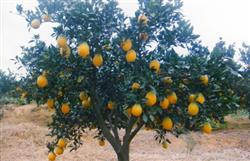
What are the respective effects of applying various fertilizers to navel oranges?
What effects do various fertilizers have on navel oranges? Please provide a detailed introduction. Like other citrus, navel oranges require an adequate supply of nutrients for growth and fruiting, and there are sixteen essential nutrient elements. According to the required amounts of mineral elements, they can be divided into macronutrients (nitrogen, phosphorus, potassium), secondary nutrients (calcium, magnesium, sulfur) and micronutrients...
-
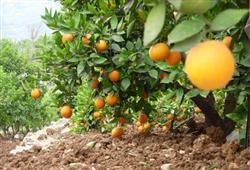
How should navel orange trees be managed when growing them?
How should navel orange trees be managed when growing them? Please give a comprehensive introduction. The following methods can be used for reference when growing navel oranges: (1) Soil management. The mineral nutrients and water needed by the navel orange tree are mainly absorbed from the soil through the root system. Soil is the foundation for the growth and development of navel oranges, and it is also the storage...
-
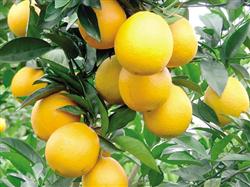
How to Fertilize Fuchuan Navel Oranges? Detailed Explanation of Methods and Technical Key Points
How to fertilize Fuchuan navel oranges? Please give guidance. Fuchuan navel orange fertilization includes soil fertilization and foliar topdressing, with soil fertilization being the main method. The fertilization methods are as follows: (1) Soil fertilization: Soil fertilization should not only help the root system absorb fertilizer quickly, but also prevent the root system from suffering fertilizer damage. Therefore, fertilization should be adapted to the timing, the tree, and the fertilizer...
-
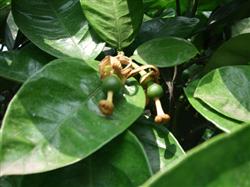
Key Management Techniques for Fuchuan Navel Orange During the Fruiting Period
How to manage Fuchuan navel orange well during the fruiting period? Please provide guidance and introduce methods. The following methods may be referenced for managing Fuchuan navel orange during the fruiting period: 1. Apply fruit-stabilizing fertilizer according to tree condition and strengthen foliar spraying. After young fruiting trees sprout buds and bloom, they consume a large amount of nutrients. To improve fruit set, a fruit-stabilizing fertilizer should be applied in time before the second physiological fruit drop (early June)...
-
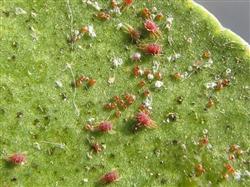
What are the pest and disease control methods for Fuchuan navel oranges?
Which pests and diseases need to be controlled when growing Fuchuan navel oranges? Please provide an introduction and control methods. The following is an introduction to common navel orange pests and diseases and their control methods for reference: Rust mite: from late May to early June during the young fruit stage, start spraying when 3-5 mites are found on the fruit surface, spray once every 10-15 days, for 2-3 consecutive sprays, then spray 1-2 more times from July to September...
-
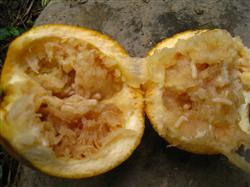
What are the control methods for navel orange fruit drop caused by insect damage?
What methods can control navel orange fruit drop caused by insect damage? Please provide guidance. Navel orange fruit drop caused by insect damage is mainly due to damage by fruit-boring moths. The severe damage occurs in the later stage, because earlier control combined with other pests and diseases achieved simultaneous control, and production habits have formed such that after September, pesticides are rarely used, and some growers even stop spraying altogether. 9...
-

How to Propagate Hydrangeas? A Detailed Guide to Common Propagation Methods
Hydrangea, also known as eight-immortal flower, comes in various colors such as red, pink, blue, and white. The eight-immortal flower is a beautiful indoor ornamental flower, a small shrub of the Saxifragaceae family and the Hydrangea genus, with a plant height of 30 cm to 120 cm. The leaves are opposite, ovate, with serrated leaf margins. The corymb is terminal, forming a spherical shape
-
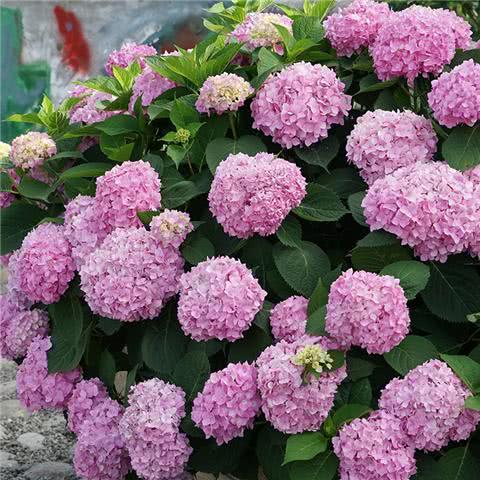
Prune hydrangeas once in autumn and they will bloom into big flower balls
Hydrangeas come in rich colors and have extremely high ornamental value. With such beautiful flowers, it feels great to admire their beauty. After the flowering period of hydrangeas, pruning work needs to be done well, which prepares them for the next bloom. Let's take a look below! Hydrangeas...
条件筛选