-

How to grow potted asparagus fern? Answers to common questions about home gardening
Asparagus fern, also known as cloud bamboo, is a perennial evergreen climbing plant of the genus Asparagus in the Liliaceae family. Native to southern Africa. Ecological habits: asparagus fern is not cold-tolerant, not drought-tolerant, prefers a warm, semi-shady environment, and fears frost. Asparagus fern has strict requirements for potting soil: it should be loose, fertile, well-drained, and well-aerated, and the potting soil is best neutral
-

Spring Care Methods for Pennywort and Answers to Common Questions
Pennywort is a herbaceous plant in the Apiaceae family, with round, large leaves that stay green and vibrant for most of the year. In early spring, how should you care for pennywort? And how should you manage it afterward so it grows well and thrives?
-
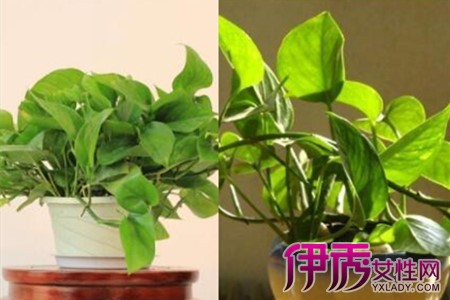
Is Pothos Toxic? A Floristry Master Answers Your Cultivation Questions
Pothos is an indoor ornamental plant beloved in households everywhere. Especially in newly renovated interiors, pothos is generally used to absorb harmful substances, but is the pothos that has absorbed them toxic? Can it still be kept on display? Below, the editor analyzes this for you.
-
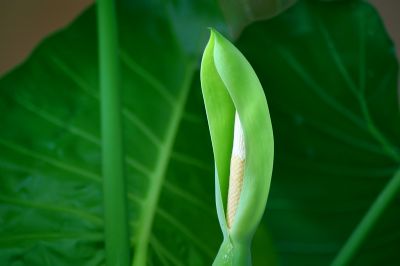
How to Grow Alocasia (Dumb Cane Elephant Ear)? 8 Common Cultivation Questions Explained
Alocasia (Alocasia macrorrhizos) is a common indoor plant, a perennial herbaceous plant. Its stem is fairly thick and sturdy, and it has a noticeable effect on removing dust. People in Guangdong call Alocasia "wolf's bane". The reason is that Alocasia is toxic, so if there are children at home and you want to grow Alocasia, you need to be especially careful.
-
Frequently Asked Questions About Fertilizing and Weeding Cotton Under Plastic Mulch
Recently, Ding Libang, a 75-year-old farmer from Shuqiao Village, Wuluo Town, Yunmeng County, Hubei Province, called me to ask whether he could switch from raising seedlings in nutrient pots and transplanting them to cultivation under plastic mulch this year. Here is my answer. Q: Can chicken manure be used as a base fertilizer for cotton under plastic mulch? A: When using chicken manure as a base fertilizer, several points must be noted: first, the chicken manure must be fully decomposed; second, it must be applied early, before the mulch is laid; third, the application rate must not be less than 1500 kg per mu; fourth, because chicken manure contains a certain amount of weed seeds, attention must be paid
-
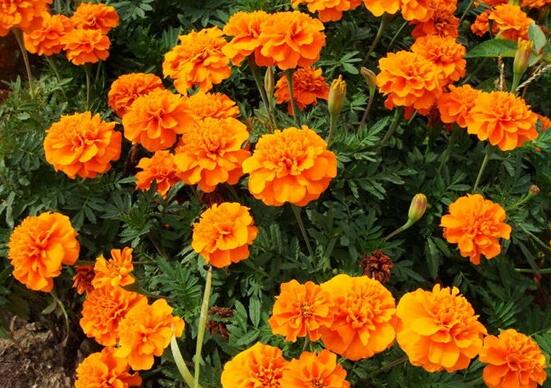
How to grow French marigold? Detailed steps for sowing and raising seedlings plus answers to related questions
French marigold likes sunshine, but it can also bloom when planted in semi-shade. It is not demanding about soil. It tolerates transplanting, grows quickly, and is very easy to cultivate and manage. Seeds that fall on the ground can grow on their own under suitable temperature and humidity conditions, making it a flower with very strong adaptability. Today
-

High-Yield Sunflower Cultivation Techniques_100 Questions on Sunflower Cultivation Techniques, Question 5
23 Why is it said that hybrids have drought resistance and lodging resistance? Sunflower hybrids have relatively strong drought resistance and lodging resistance. According to tests, during nearly 40...
-
A Breakdown of the Basic Questions About Dental Implants: Common Doubts Explained Clearly in One Article
Missing teeth will bring a great deal of trouble to our lives, not only affecting chewing but also affecting pronunciation and speech, so timely tooth replacement is very necessary...
-

The Ten Thousand Whys of Dental Implants: Common Questions Explained in One Go
"How are dental implants placed?" "Does getting a dental implant hurt?" "Am I a candidate for dental implants?" "How long can dental implants last?" "Are there any side effects of dental implants?"
-
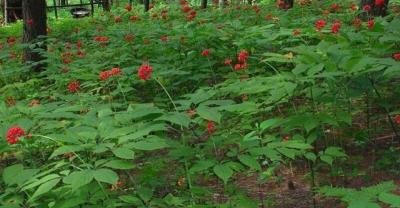
Konjac cultivation 100 Q&A, all common questions answered
Hello, do you have konjac seeds? Answer: Yes, we do. Our seeds include several varieties: Amorphophallus konjac (flower konjac), Amorphophallus albus (white konjac), and Amorphophallus bulbifer (bulb-bearing konjac). 2. Which konjac variety is better?...
条件筛选