Is Pothos Toxic? A Floristry Master Answers Your Cultivation Questions
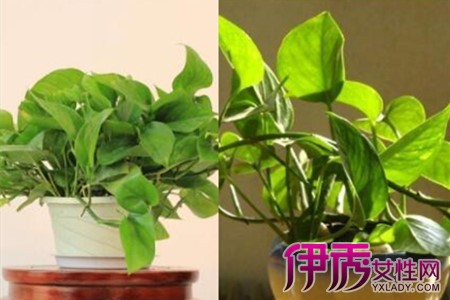
In today's society, for newly decorated or renovated houses, after the renovation most people not only use activated carbon to absorb indoor harmful substances, but also use many plants in combination. Pothos is the first plant everyone thinks of and chooses. So is the pothos that has absorbed harmful substances toxic? Can it still be used? Let me tell you the answer.
Pothos, also known as golden pothos (Epipremnum aureum), is a climbing vine foliage plant. What catches the eye most is its heart-shaped leaves, glossy green, which first of all let people feel vitality and energy. If viewed for a long time, it can relieve eye fatigue and also relax body and mind. Placing it at home is simply killing several birds with one stone.
Pothos can carry out photosynthesis on its own. During the day it absorbs various harmful substances from the indoor air and releases plenty of oxygen; at night it absorbs oxygen and emits carbon dioxide. But the carbon dioxide it emits is very little, very trace, and will not harm your health. If you mind, you can keep it in place during the day and put it in a ventilated spot at night.
Actually, did you know? If you place a pot of pothos in your own kitchen, there are many benefits too. It not only makes the kitchen look tasteful, but also absorbs various odors in the kitchen, keeping our kitchen air fresh at all times. Now do you feel that pothos is really powerful? Then hurry and put a pot in your kitchen and give it a try.
Pothos is a plant that can survive as long as there is water, so everyone calls it the "flower of life." It also carries the meaning of watching over happiness. Placing pothos indoors is good for family harmony. So friends who are still worried that pothos is toxic can now use it with peace of mind.
Is Pothos Toxic?
It is a fact that pothos is toxic, and growing pothos at home is no problem either, because as long as you do not eat the sap of pothos, it will not cause poisoning. Although the sap of pothos is toxic, it is only mildly toxic. During cultivation, even if you touch the leaves of pothos, as long as you do not directly eat them, it will not affect your body. In addition, many people now grow pothos hydroponically; if you touch the water it is grown in, as long as you do not drink it, there is generally no harm.
Is Pothos Toxic? What Are the Benefits of Growing Pothos Indoors?
Growing a pothos at home has many benefits, especially in newly renovated houses, because pothos is very effective at absorbing formaldehyde and benzene substances, reducing the harm these harmful substances do to the human body. Pothos itself has a certain toxicity and is toxic, so next we will analyze the toxicity of pothos from various dimensions.
Is Pothos Toxic?1. The sap of pothos contains low toxicity, but as long as it is not eaten it has no effect on the body. Many people now know that dumb cane (Dieffenbachia) is toxic; in fact, pothos, like dumb cane, belongs to the Araceae family, and its toxic part is mainly in its sap.
2. It is a fact that pothos is toxic, and growing pothos at home is no problem either, because as long as you do not eat the sap of pothos, it will not cause poisoning. Although the sap of pothos is toxic, it is only mildly toxic. During cultivation, even if you touch the leaves of pothos, as long as you do not directly eat them, it will not affect your body. In addition, many people now grow pothos hydroponically; if you touch the water it is grown in, as long as you do not drink it, there is generally no harm.
3. The sap of pothos is toxic. Whether adult or child, skin contact may cause redness, swelling and itching, and accidental ingestion may also cause throat pain. As long as you do not use your hands to directly touch the sap, it will not cause poisoning.
Analysis and Interpretation of Pothos Toxicity 1. Pothos Contains ToxicityPothos sap really does contain toxins. Dr. Li, a botanist at Xianhu Botanical Garden, says that the sap of pothos contains calcium oxalate crystals, and the toxicity is not strong; as long as people do not accidentally eat it, it basically will not harm the human body. So flower friends who grow pothos have no need to worry that growing pothos is unsafe.
2. Symptoms of PoisoningOf course, if you really accidentally eat pothos, your mouth will feel burning and painful, then swell and blister, your voice will become hoarse and strained, and swallowing will be difficult.
3. How to Handle PoisoningMost symptoms will lessen and eventually disappear with time. If you want to relieve the pain, you can choose cool liquids, pain relief pills, or foods from the licorice family and flaxseed. Drink more boiled water, sweat more, urinate more. Also pay attention to observation afterward. If you feel particularly unwell, please seek medical attention promptly, because everyone's situation is different.
4. Friendly ReminderThere is no need to panic about keeping pothos at home. But if there are children in the house, pay attention to keeping an appropriate distance to avoid the danger of accidental ingestion. Those who keep pets such as cats and dogs should also be careful; the toxicity of pothos is also somewhat dangerous to pets.
What Are the Benefits of Growing Pothos Indoors?1. Pothos is one of the very excellent indoor decorative plants, a climbing vine foliage flower. Its stems are slender and soft, and its leaves are delicate and elegant. Place a nested pot high on the top of a furniture cabinet and let its vine stems hang down gracefully, or after the vine stems hang too long, loop and hang them into a circle, just like emerald relief sculpture. This not only makes full use of space and purifies the air, but also adds a lively-lined, brightly colored green decoration to a dull cabinet surface, full of vitality, adding a touch of warmth and charm to the room.
2. Environmental scientists have found that one pot of pothos in a room of 8 to 10 sq m is equivalent to an air purifier, and can effectively absorb harmful gases in the air such as formaldehyde, benzene and trichloroethylene. Pothos is not only tenacious in vitality, but when placed indoors, its air-purifying ability is no less than that of ivy and spider plant.
3. We can find that the plants generally placed on windowsills in ordinary homes are all pothos, because its volume is especially small, and it fits just right on the windowsill. It will not crush the windowsill, and will not block the owner from viewing the beautiful scenery beyond the windowsill. Pothos can attract wind and let the room ventilate and breathe. Why say this? Plants themselves also breathe, absorbing carbon dioxide and exhaling oxygen. Pothos is generally placed by the window; when it is too windy outside it blocks some of it, and if there is no wind it itself will also release new oxygen. The oxygen enters the space we live in, making us more energetic and making the indoor air fresher. So pregnant women can keep pothos at home, but note that pregnant women should not come into contact with pothos, especially the sap of pothos and the water it is grown in.