A Breakdown of the Basic Questions About Dental Implants: Common Doubts Explained Clearly in One Article
Missing teeth will bring a great deal of trouble to our lives, not only affecting chewing but also affecting pronunciation and speech, so timely tooth replacement is very necessary. And now, one of the treatment methods for missing teeth is dental implants, but some people do not know much about dental implants, so today we will break down the basic questions about dental implants.
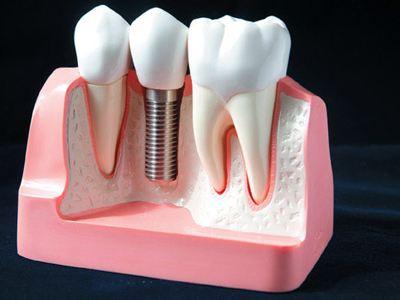
What are dental implants?
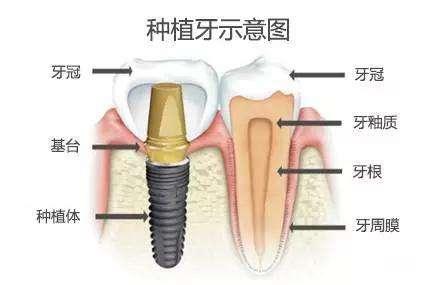
A dental implant is not literally planting one or several teeth that are the same as natural teeth, but rather a "false tooth" restoration method in which implant material is buried into the alveolar bone (the implant), and then a false tooth is made on top of it.It is the surgical placement of an implant made of artificial material into the alveolar bone in the missing tooth area to replace the tooth root, and then restoring the missing tooth on this basis. A dental implant is actually a restoration composed of the implant and the upper denture supported by the implant. It realistically imitates natural teeth, can restore most of the chewing function, has better retention, and is also more comfortable.
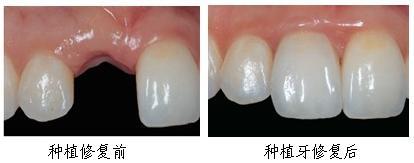
Am I suitable for implant restoration?
Usually, a healthy person who can undergo routine tooth extraction and oral surgery can consider implant restoration. Patients with certain special chronic diseases, such as diabetes, uncontrolled heart disease and hypertension, blood diseases, osteoporosis, and patients who need radiotherapy after oral cancer surgery, are not suitable to receive implant restoration right away. In addition, patients who smoke and drink heavily and cannot maintain good oral hygiene conditions are also not suitable. However, it should be pointed out that implant dentures are not limited by age, so many elderly patients suffering from missing teeth can finally also share the benefits brought by this successful technology of implant dentures. In short, the dentist must conduct a comprehensive evaluation of your physical condition before formulating a treatment plan suitable for you.
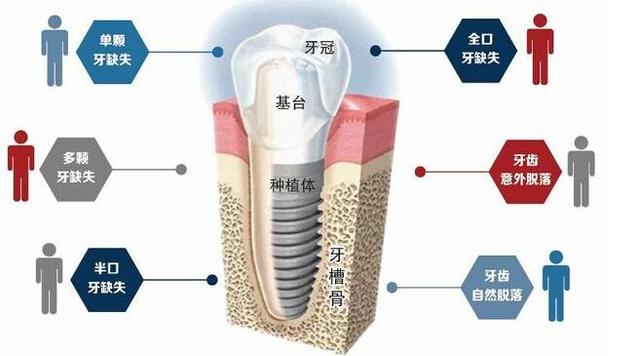
How long does the entire implant process take?
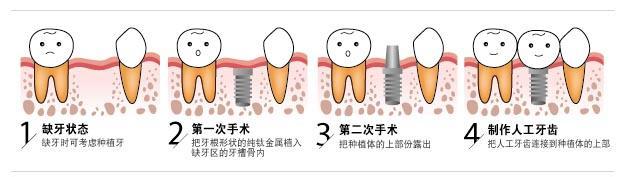
The treatment and restoration of artificial dental implants is roughly divided into three stages:
(1) First, preoperative examination and management
In the preoperative preparation stage of implant treatment, systematic specialist examinations must be carried out, such as: CBCT examination, blood tests, teeth cleaning, etc. In addition, the formulation of the implant treatment plan and a series of preparations must also be carried out. This takes two weeks to one month.
(2) The implant surgery stage
Implant surgery is usually performed under local anesthesia. The surgery generally takes one to two hours. On the day of surgery, the patient should eat normally before surgery, and after surgery should eat soft food, liquid food, etc. After surgery, the patient should take medication and return for follow-up visits as required by the doctor, and pay attention to keeping the oral cavity clean, with stitches removed after seven to ten days.
(3) The restoration stage
Restoration is generally carried out three to six months after surgery. First, a second-stage surgery must be performed, then impressions, denture fabrication, and denture placement, which generally takes two to three weeks.
How long is the service life of a dental implant?
How long a dental implant can last is the first thing patients care about, and it is also a concern for implant dentists. Generally speaking, as long as it is used with care, a dental implant can be used for a long time. For whether an implant is successful, its retention time is an important indicator. In the past, it was considered that only a 5-year implant survival rate of 85% and a 10-year survival rate of 80% met the conditions for success, but now the requirements are higher. At present, the dental implant that has been in use the longest has already lasted 48 years.
What is the success rate of implantation?
Since implant technology began to be applied in 1950, due to advances in medicine and materials science, the success rate has also been continuously improving. At present, using the five-year success rate as the clinical evaluation standard, the success rate of dental implants can reach 94% or even higher, and it is believed that it will improve further in the future. In foreign countries and economically developed regions in China, dental implants are the first choice for replacing missing teeth.
What issues should be noted after implant surgery?
Although oral implant surgery is not major surgery, postoperative care is also very important; otherwise, wound infection will lead to the failure of the implant procedure. After implant surgery, the following issues should be noted:
1. On the day of surgery, the patient should eat a semi-liquid or fully liquid diet;
2. Do not brush teeth within 24 hours after surgery to avoid irritating the wound;
3. In order to achieve the expected surgical results, it is necessary to quit smoking and drinking within one month before and after surgery.
4. Good oral hygiene is an important guarantee for the success of artificial dental implants, so patients should carry out effective oral cleaning on time. Use mouthwash to rinse several times a day to avoid infection;
5. Observe the condition of the implant and the wound at any time, and solve problems promptly when found;
6. Within 3 months after surgery, it is not advisable to eat overly hard food, to prevent excessive force on the implant.