-

How to prevent and control edible mushroom pests? Detailed explanation of eight techniques
Eight techniques for preventing and controlling edible mushroom pests
-
Detailed Explanation of Key Points of Raw Material Cultivation Techniques for Edible Fungi
Raw Material Cultivation Techniques for Edible Fungi
-
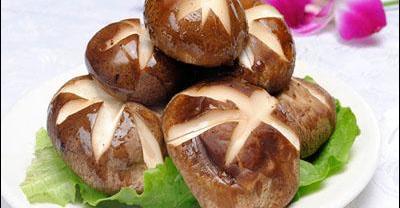
How to Grow Edible Mushrooms? A Detailed Guide to High-Yield Cultivation Techniques
The edible mushrooms currently cultivated on a large scale, such as oyster mushrooms, shiitake, enoki mushrooms, lion's mane mushrooms, wood ear, silver ear, and button mushrooms, can be roughly divided into the mycelium stage and the fruiting body...
-
Detailed Explanation of the Production Techniques and Methods for Candied Straw Mushrooms
1. Material selection and processing. Choose straw mushrooms with plump fruiting bodies, unopened caps, and no mechanical damage. Immediately after harvest, place them in a 0.03% sodium metabisulfite solution and treat for 6-8 h (hours), then rinse clean with clear water. 2. Blanching and hardening. Put the treated straw mushrooms into boiling water and blanch for 2-3 min (minutes) to destroy enzyme activity. After blanching, immediately remove them, place them in cold water to cool, then after cooling remove them and place them in a 0.5%-1% calcium chloride solution to soak for 10-12 h (hours
-
Morel Cultivation Techniques: How to Cultivate Morels Artificially?
How to cultivate morels artificially? Please explain the method. Morels belong to the medium-to-low temperature type of fungi. The optimum temperature for mycelial growth is 20-24°C, and the optimum temperature for fruiting body development is 15-18°C. A large temperature difference favors fruiting body formation. The mycelium does not need light, while fruiting body growth requires weak scattered light. They are aerobic fungi; if the carbon dioxide concentration is too high,...
-
Enoki Mushroom Cultivation Techniques: How to Grow Them for High Yield?
How can enoki mushrooms be cultivated for high yield? Are there any good methods? We also ask experienced netizens to help share their knowledge. Zhongdiwang has compiled several methods for increasing enoki mushroom yields, listed below for netizens' reference. Method 1: Switch from wide-bag cultivation to narrow-bag cultivation. Wide bags are prone to contamination by weed molds, and when there are few mushroom buds, the fruiting bodies tend to bend, affecting quality and failing to meet the premium requirements of small caps, long stems, light color, and plump tenderness.
-
Detailed Explanation of Cultivation Techniques for the Edible Mushroom Tea Tree Mushroom
Cultivation Techniques for the Edible Mushroom Tea Tree Mushroom
-
Detailed Explanation of High-Yield Cultivation, Drying, and Candied Fruit Processing Techniques for Edible Mushrooms
Drying and Candied Fruit Processing Techniques for Edible Mushrooms
-
How to Grow Mushrooms on Mulberry Branches? Detailed High-Yield Cultivation Techniques
In terms of the comprehensive development and utilization of mulberry stalks, since 2006, Hechi City in Guangxi has successfully explored a new "mulberry-mushroom-fertilizer" agricultural circular economy model in Yizhou, Huanjiang and other cities and counties. The "Pleurotus citrinopileatus" (golden oyster mushroom) cultivated with mulberry stalks as the main substrate won the gold award at the 2006 China Hunan (International) Green Products Expo and passed national organic food certification. The success of mulberry branch mushroom cultivation solved the problem that had plagued Hechi City for more than 20 years, where large areas of mulberry stalks were burned as waste, causing resource waste and environmental pollution, and provided sufficient raw material resources for expanding the edible mushroom industry
-
Detailed Explanation of Key Techniques for Outdoor Bag Cultivation of Shiitake Mushrooms
Traditional shiitake mushroom cultivation uses log cultivation, a method that requires wood. Below is an introduction to a bag cultivation technique for producing shiitake mushrooms, which is especially suitable for use in mountainous areas. The specific method is as follows: 1. Prepare the substrate well and disinfect the plastic bags. Based on 50 kg of substrate, the formula is: 39 kg wood sawdust, 10 kg wheat bran, 0.5 kg sucrose, 0.5 kg gypsum powder; mix them evenly. The substrate moisture content is 65%. A pH of 6-6.5 is more suitable. Select 15
条件筛选