-
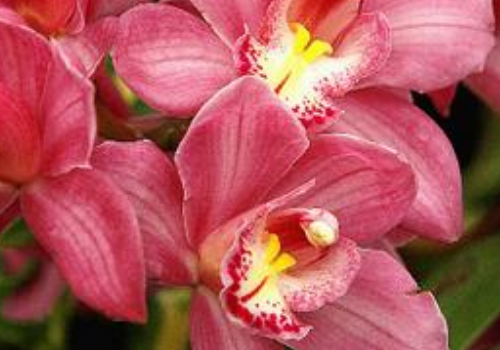
Pruning Methods for Cymbidium Flower Spikes and Choosing Potting Soil for Cultivation
Cymbidium is a plant that many people like, and it has a certain ornamental value. How do you prune the flower spikes of Cymbidium? What soil should be used for cultivation? How to prune the flower spikes of Cymbidium: 1. Cut the flower spike from the lower part, so that it does not affect the appearance and also ensures that too many nutrients are not consumed. In addition,
-
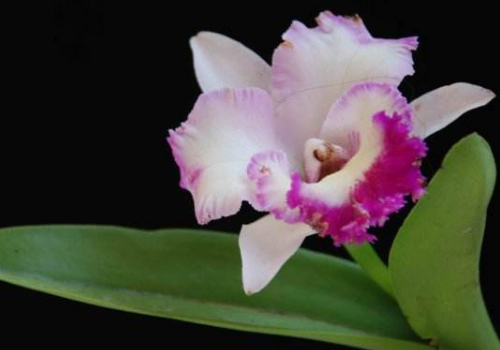
What to Do When Cattleya Orchid Leaves Turn Yellow? Correct Pruning Methods Explained
Cattleya orchids are called the "Queen of Orchids" because most in this genus have brilliantly colored flowers. What to do when Cattleya orchid leaves turn yellow and how to prune: What to do when Cattleya orchid leaves turn yellow: 1. Water-yellowing: because of overwatering, the soil stays waterlogged and wet for long periods, aeration is relatively poor, and even some fibrous roots become completely rotten
-
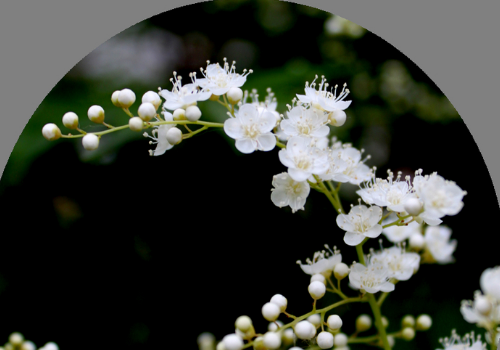
What to Do When Sorbaria Leaves Turn Yellow? Detailed Pruning Methods
In China there is a tradition of loving, planting and appreciating plum blossoms, regarding them as a symbol of uprightness. What to do when sorbaria leaves turn yellow? How to prune: What to do when sorbaria leaves turn yellow: 1. Sorbaria leaves turning yellow: humidity too low. During the process of growing sorbaria, if the humidity is relatively low
-
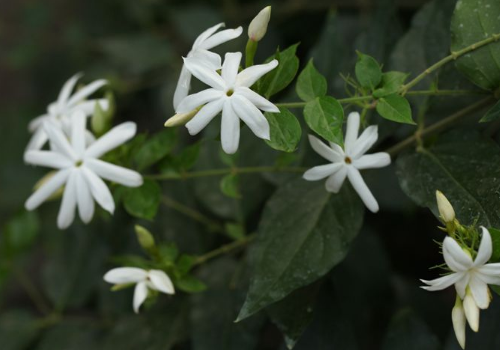
Reasons Why Jasminum Sambac Does Not Bloom and a Detailed Guide to Pruning Methods
Pruning Jasminum sambac still requires skill; casual pruning will not only fail to achieve a beautiful effect but can also have the opposite effect. What are the reasons Jasminum sambac does not bloom? How to prune: What are the reasons Jasminum sambac does not bloom: 1. Being placed in shade for a long time causes leaves to grow leggy and thin.
-

Detailed Explanation of Olive Tree Training and Pruning Methods and Techniques
How to Train and Prune Olive Trees
-

How to prune Schisandra chinensis? Detailed pruning methods and techniques
If you want stable and high yields from cultivated Schisandra chinensis, pruning is the key. The author has been engaged in artificial cultivation of Schisandra chinensis since 1997, and has summarized pruning methods in practice. They are written out here for fellow farmers' reference. 1. Row direction The best row direction for Schisandra chinensis cultivation is a north-south orientation, which gives good light exposure and good ventilation, laying the foundation for stable and high yields. 2. Trunk determination In the summer of the year of transplanting, Schisandra chinensis seedlings grow rather vigorously. For each plant, select and keep 3-4 strong lateral vine branches and train them onto the poles. One seedling gets two poles, and each pole carries two
-
Pruning Methods and Technical Key Points for Flowering Peach During the Growing Season
In northern gardens, the flowering peach (Prunus persica) is an indispensable ornamental tree species for early spring. Its tree form is graceful and its flowers are charming, giving an excellent ornamental effect. However, it grows vigorously and produces many branches, and its canopy becomes dense, causing excessive nutrient consumption and poor ventilation and light penetration, which is unfavorable for branch ripening and flower bud differentiation. Therefore, it should be timely shaped and pruned, especially pruned during the growing season (also called summer pruning), which plays a rather important role in the cultivation and management of flowering peach. Summer pruning can reduce ineffective growth, save nutrients, improve light conditions, strengthen nutrient synthesis, and
-
Pinching and Pruning Methods for Cut-Flower Carnations
1. Pinching Techniques for Cut-Flower Carnations The purpose of pinching cut-flower carnations is to increase the number of branches, raise the flower yield per plant, regulate the flowering period, and ensure a balanced, timely supply of flowers. (1) Pinching time The first pinching of carnations is generally carried out about 30 days after planting, when the main stem of the seedling has 6 to 7 pairs of leaves unfolded. When the main stem has 5 to 6 nodes, the apical growing point is removed; depending on the branching characteristics of different cultivars, 1 to 2 nodes more or fewer may be retained as appropriate, and cultivars that branch poorly may be left with higher nodes.
-
Pruning Methods and Key Technical Points for Jasmine
In southern China, jasmine grown under normal cultivation conditions sprouts 6-8 batches of new branches each year. As the branches grow older, they continuously increase in number, grow taller, and gradually age. Branches that are too old and too long hinder the transport of water and nutrients, and plants that are too tall also affect field work such as flower picking. Pruning is an important production technique for rationally adjusting the layout of branches and leaves and promoting robust plant growth. The most important pruning task of the year is spring pruning. In Hengxian, Guangxi, jasmine branches
-
Pruning Methods and Technical Points for Aging Tea Plants
1. Heavy pruning: Heavy pruning is suitable for semi-aged tea plants and for tea plants that decline before their time; their age is not necessarily very great, and most main branches still retain a certain capacity for growth. For such tea plants, heavy pruning can be carried out to renew and rejuvenate them, generally cutting away 1/3 to 1/2 of the canopy. 2. Frame cutting: For very aged tea plants, even increased fertilizer application can hardly raise yields. Such tea plants are better renewed by frame cutting, that is, around Great Cold (Major Cold) sawing (or cutting) off all branches and trunks at a height of about 15 cm above the ground and regrowing the bush. Tea plants subjected to frame cutting or heavy pruning should all be treated on the basis of deep plowing and sufficient basal fertilizer.
条件筛选