-
How to prune dahlias? Detailed pruning methods and techniques
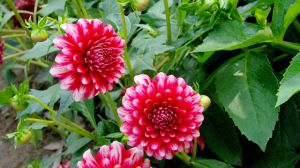
Branches: promptly prune away dead and diseased branches, and you can also cut off some thin, weak branches. Flowers: prune and remove spent flowers; to achieve vivid blooms, you can keep the top bud and the two side buds beside it and cut off the rest. Leaves: promptly prune away yellow leaves or leaves affected by pests and diseases.
-
Pruning Methods and Technical Key Points for Peach Trees After Fruit Harvest
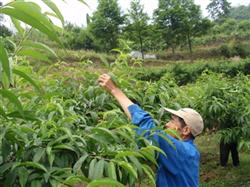
How should peach trees be pruned after fruit harvest? Please provide guidance. After fruit harvest, peach trees can be pruned by referring to the following methods: ① For trees that have just begun to bear fruit, if the angle of the scaffold branches is small, pull the branches to open the angle; when newly sprouted and vigorously growing branches reach about 30 cm, pinch off the growing tips. ② For overly dense branches, thin and weak branches, drooping branches...
-
Detailed Explanation of Summer Pruning Techniques and Methods for Navel Oranges
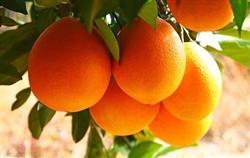
I. Variety Selection and Orchard Establishment. Through our comparative observation of 15 navel orange strains introduced and suitable for the subtropical humid climate, we found that Newhall, Linna, Frost, Fukumoto, and New-79 displayed high and stable yields, excellent quality, and strong marketability, making them valuable for promotion and development. The selection of navel orange seedlings should ensure...
-
What are the pruning methods for muskmelon?
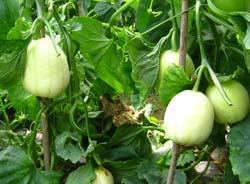
I. Pruning methods for early-to-mid-maturing varieties. Early-to-mid-maturing varieties generally have a single fruit weight below 1.5 kg and a maturity period of 35-42 days. Depending on the growing season and environment, the following pruning methods can be adopted. 1. Winter-spring crop cultivation in a winter-warm greenhouse. Generally, the method of using the mother vine as the main vine and leaving fruit on a single vine in two layers is adopted, that is...
-
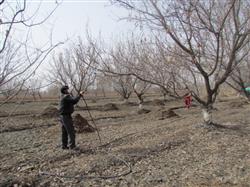
Winter Pruning Methods and Technical Key Points for Apricot Trees
Spring Management of Apricot Trees As the saying goes, "apricot trees fail nine years out of ten." Besides the low fruit-setting rate, the main reason is that apricot trees' ability to withstand low temperatures during bud break and blooming is greatly reduced. When temperatures fall below -3.9 at the bud stage, below -2.2 at the blooming stage, or below -0.6 at the young fruit stage, and the low temperature lasts more than 30 minutes, frost damage is likely to occur. Therefore...
-
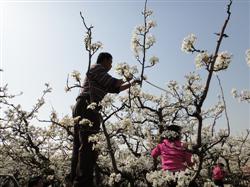
What is the difference between pruning methods for pear trees and apple trees
Post-bloom management of pear trees is a critical period in the whole year's management. Whether the comprehensive management measures during this period are appropriate directly affects the fruit set rate and fruit quality. The key points of pear tree management during this period are: 1. Pollination Pear flowers generally open after 8 o'clock in the morning. Flowers that open on the same day can be pollinated, and pollination is best 1 to 2 days after the flowers open...
-
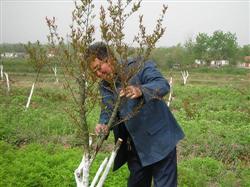
Detailed Explanation of Pomegranate Summer Pruning Methods and Techniques
1. Girdling. Mainly used for strong branches on young vigorous trees. In early to mid-June, select a smooth section of a strong branch and girdle it at a width of 0.3 cm, which can significantly promote flower bud differentiation and formation and increase the fruit set rate. 2. Pinching. During the flowering period, pinch off the top 5 cm, or when new shoots grow to 30-40 cm, pinch off 1/3 of the shoot length, which can promote flower bud...
-
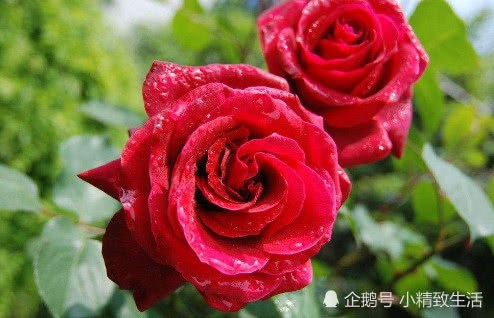
The more you prune roses, the more vigorously they grow: 6 pictures teach you pruning methods for every situation
Roses are ornamental, down-to-earth flowers that people love to grow, and everyone likes to keep one or several roses on a balcony or in a courtyard, which both beautifies the home and purifies the air. But some friends have found that even though they water and fertilize normally, ...
-
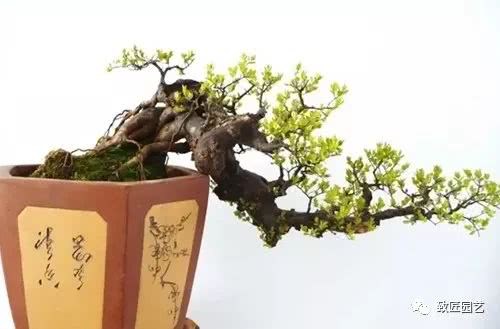
How to prune a Sageretia bonsai? Detailed pruning methods and techniques
Sageretia thea (Chinese sweet plum) is a garden plant often used as a hedge, and is also commonly used in rock and landscape arrangements. It has low soil requirements and strong vitality, and can adapt to a variety of soil environments. It is drought-tolerant and moisture-tolerant, and it is also often potted and made into bonsai for apprec...
-

A Detailed Guide to Shaping, Pruning and Styling Methods for Tree Bonsai
Tree bonsai can be said to be a living art, and the creation and making of tree bonsai cannot be separated from shaping and pruning. The shaping and pruning of trees must be determined according to the plant's growth habits, soil structure and possible styling, combining the relevant techniques, styling concepts and compositional ideas into the "cut."
条件筛选