What are the pruning methods for muskmelon?
I. Pruning methods for early-to-mid-maturing varieties. Early-to-mid-maturing varieties generally have a single fruit weight below 1.5 kg and a maturity period of 35-42 days. Depending on the growing season and environment, the following pruning methods can be adopted. 1. Winter-spring crop cultivation in a winter-warm greenhouse. Generally, the method of using the mother vine as the main vine and leaving fruit on a single vine in two layers is adopted, that is...
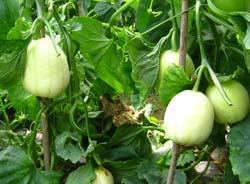
I. Pruning methods for early-to-mid-maturing varieties
Early-to-mid-maturing varieties generally have a single fruit weight below 1.5 kg and a maturity period of 35-42 days. Depending on the growing season and environment, the following pruning methods can be adopted.
1. Winter-spring crop cultivation in a winter-warm greenhouse. Generally, the method of using the mother vine as the main vine and leaving fruit on a single vine in two layers is adopted, that is, leaving the first layer of fruit at nodes 11-14 of the mother vine, with 1 fruit retained; leaving the second layer of fruit above node 20 of the mother vine, with 1-2 fruits retained. This fruit-setting method can both allow earlier harvest for the market and achieve relatively high yields, thus giving good returns.
2. Early spring cultivation in large and medium arched sheds. The method of using double secondary vines as the main vines and retaining double fruits at one time can be adopted, that is, pinching the growing point when the seedling grows to 5 true leaves, keeping two robust secondary vines of similar vigor as the main vines, and retaining 1 fruit at nodes 8-12 on each secondary vine. In early spring cultivation, because the suitable growing period for muskmelon in arched sheds is relatively short, it is difficult to retain fruit multiple times, while the ventilation and light conditions in arched sheds are better than those in winter-warm greenhouses. Even at the same cultivation density as winter-warm greenhouses, double-vine pruning can allow the plants to grow normally, and retaining double fruits can greatly increase the yield of the early spring crop.
3. Autumn delayed cultivation in a winter-warm greenhouse. It is advisable to adopt the pruning and fruit-setting method of using a secondary vine as the main vine and retaining a single fruit on a single vine, that is, pinching the growing point when the seedling has 4-5 true leaves, keeping one robust secondary vine as the main vine, pollinating at nodes 10-15 of the secondary vine, and retaining 1 fruit.
II. Pruning methods for mid-to-late-maturing varieties. Mid-to-late-maturing varieties generally have a single fruit weight above 1.5 kg and a maturity period of 42-50 days.
For mid-to-late-maturing varieties in early spring cultivation in arched sheds and autumn delayed cultivation in winter-warm greenhouses, the pruning methods for the above early-to-mid-maturing varieties can be adopted, or the pruning method of using the mother vine as the main vine and retaining a single fruit on a single vine can also be adopted, that is, pollinating and retaining fruit at nodes 12-15 of the mother vine.
When carrying out early-maturing cultivation of the winter-spring crop in a winter-warm greenhouse, it is best to adopt the pruning method of using a secondary vine as the main vine and retaining double fruits on a single vine, that is, pinching the growing point when the seedling has 5 true leaves, keeping one robust secondary vine as the main vine, pollinating at nodes 10-14 of the secondary vine, and retaining two fruits of similar vigor or fruits at adjacent nodes pollinated on the same day. This allows appropriately earlier harvest and can also ensure fruit quality and yield.
At present, in winter-spring crop cultivation, some melon growers use mid-to-late-maturing varieties with the method of using the mother vine as the main vine and retaining fruit in multiple layers, removing the bottom fruit before it matures (otherwise it affects fruit setting and growth of the upper fruits). Although this pruning and fruit-setting method can achieve relatively high yields, the fruit quality is greatly reduced, so it is not advisable.